Cormica Publishes Q3 AIVC Case Study Targeting Topical ANDA Submission Evidence Requirements
Cormica publishes AIVC case study showing how orthogonal Q3 characterisation techniques support topical ANDA formulation equivalence submissions.

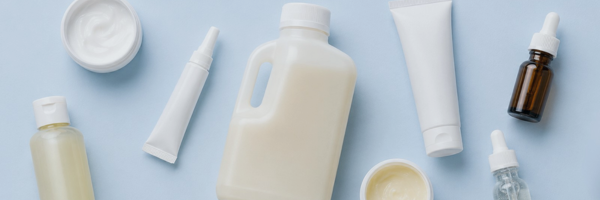
For QA directors and regulatory leads managing topical ANDA submissions, the evidence bar for formulation equivalence is rising, and Cormica Pharma & Med Device Testing has published a case study detailing how orthogonal advanced in-vitro characterisation (AIVC) techniques can be structured to meet FDA's Q3 Physicochemical and Structural Characterization guidance for topical drug products.
The case study centres on a pour-on suspension product and demonstrates how a multi-technique analytical package was applied across innovator and test batches. The work distinguishes between Q3 Basic Analysis and Q3 Comprehensive Analysis, a distinction that carries direct weight in ANDA review, where the depth of characterisation submitted can determine whether a formulation equivalence argument holds under agency scrutiny.
Techniques documented in the case study include high-resolution imaging, particle size distribution, phase state assessment, pH, viscosity, rheological profiling, and polymorphic form evaluation. The authors also detail the application of MDRS, Raman spectroscopy, and X-ray diffraction (XRD) for API and formulation characterisation, methods increasingly expected in complex topical submissions where microstructure and solid-state form may influence in-vivo performance.
The orthogonal approach matters here because no single technique provides sufficient coverage of the physicochemical attributes regulators expect to see characterised. Study design is flagged explicitly as a critical variable: how comparator and test batches are selected and analysed shapes whether the resulting dataset supports a defensible equivalence conclusion or leaves gaps that invite a Complete Response Letter.
The case study was authored by a team with combined experience across solid-state characterisation, elemental impurities, polymorphic screening, and in-vitro bioequivalence for orally inhaled and nasal drug products (OINDPs). Caroline Aiken, Technical Director at Cormica, brings more than 15 years of CRO-side pharmaceutical support to the programme, alongside team leader Ranjith Shapur, whose background spans generic pharmaceuticals and regulatory compliance across 13 years.
For regulatory affairs leads preparing topical ANDA dossiers, the practical read is that Q3 characterisation packages built on orthogonal AIVC data are increasingly the baseline expectation, not a differentiator, and the case study offers a structured reference point for scoping that analytical work before submission.
The full poster is available for download via Cormica's website, with PDF access provided by email request.
Source: Cormica Pharma & Med Device Testing via cormica.com, 15 June 2026.
Reporting on the science, business and regulation shaping the pharmaceutical industry.
Más de Pharma News
Todos los artículos →
AstraZeneca adquiere una participación del 12% en Summit por el activo ivonescimab de 2.000 millones de dólares
Lilly Foundayo supera a Oral Semaglutide en ensayos de pérdida de peso

Discussion