Biomea Fusion Doses First Patient in OPAL Icovamenib-Semaglutide Combination Obesity Study
Biomea Fusion doses first OPAL participant in icovamenib-semaglutide combination study, raising clinical supply and API planning considerations.

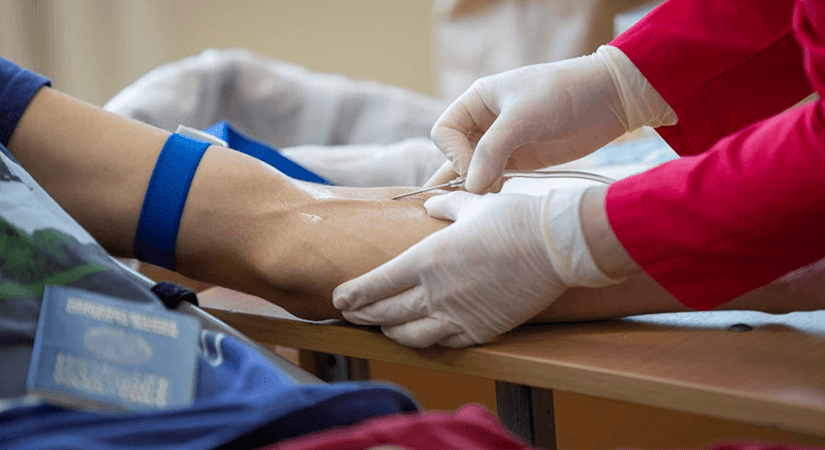
A new combination arm in the OPAL platform trial signals growing clinical supply complexity for GLP-1-adjacent programs: Biomea Fusion has dosed the first participant in a randomized, double-blind study evaluating icovamenib alongside low-dose semaglutide in overweight or obese adults without type 2 diabetes. For clinical supply chain leads, the 24-week dosing window across two investigational regimens, one small molecule, one injectable GLP-1, introduces layered comparator sourcing and cold-chain coordination requirements that merit early planning.
The newly activated OPAL arm, conducted in collaboration with the University of Leicester and the NIHR Biomedical Research Centre Leicester, will enroll 64 participants randomized 1:1. Icovamenib is dosed at 100 mg once daily for 12 weeks; semaglutide runs for 24 weeks in both arms. The primary endpoint assessment falls at Week 24, with secondary measures covering body composition, lean mass preservation, physical function, and metabolic outcomes, a broader efficacy readout than weight reduction alone.
The scientific rationale draws on preclinical data in which icovamenib enhanced semaglutide's efficacy by driving fat loss while preserving lean mass, with observed effects on GLP-1 receptor expression, myogenesis, and adipose tissue metabolism. Translating that preclinical signal into a controlled clinical setting is the explicit purpose of this OPAL arm, according to Biomea's EVP of Research, Thorsten Kirschberg. For regulatory affairs teams tracking combination product development pathways, the study design, platform adaptive, open-label at the trial level but blinded within this arm, will be worth monitoring as a model for evaluating small molecule-biologic combinations under existing IND frameworks.
From a process development standpoint, the parallel advancement of icovamenib in both diabetes and obesity indications means API demand projections for this molecule remain in flux. Manufacturing teams supporting early-phase oncology or metabolic programs with similar dual-indication trajectories will recognize the forecasting challenge: clinical supply plans locked to one indication can be disrupted when a second program accelerates. Biomea has not disclosed API sourcing or CMO arrangements for icovamenib at this stage.
The OPAL platform itself, a multi-arm, adaptive design, also reflects a broader shift in how obesity trials are being structured, with implications for comparator drug procurement, particularly as semaglutide supply constraints remain a live operational concern across the industry.
Enrollment completion and the Week 24 primary endpoint readout will determine whether icovamenib's preclinical combination profile holds in a human population, a result that could materially influence the molecule's clinical development scope and associated manufacturing scale requirements.
Source: Biomea Fusion via GlobeNewswire, 13 August 2026.
Reporting on the science, business and regulation shaping the pharmaceutical industry.
More from Pharma News
All stories →Hepion Pharmaceuticals Gains FDA Backing for GV104 Modeling
FDA Extends Coral Snake Antivenin Lot CL6814 Expiration to June 2026 on Stability Data
Discussion