FDA Approves Tivicay PD for HIV Treatment in Newborns
FDA approves Tivicay PD oral suspension for HIV-infected neonates from birth, backed by IMPAACT 2023 pharmacokinetic data.

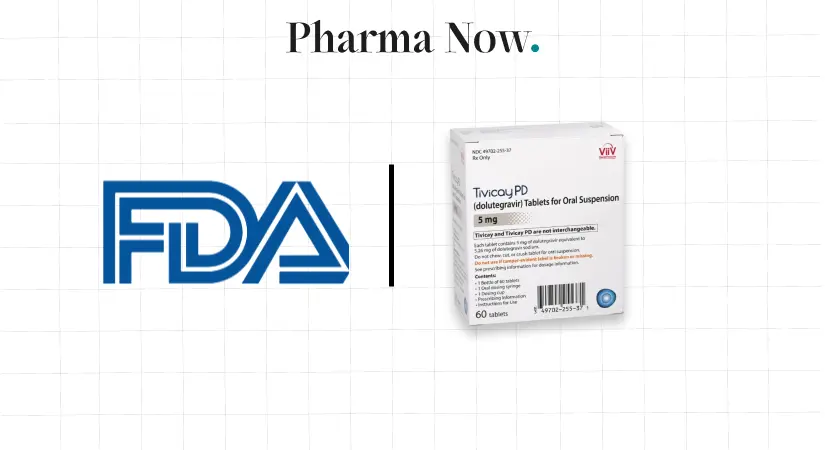
Dolutegravir's extension into the neonatal population closes a formulation gap that has long complicated antiretroviral prophylaxis protocols in delivery settings. The FDA approved ViiV Healthcare's Tivicay PD tablets for oral suspension on 25 August 2026 for HIV-infected newborns from birth through four weeks of age weighing at least 2 kg, used in combination with other antiretroviral agents.
The approval rests on data from the IMPAACT 2023 study (NCT05406583), in which 48 HIV-exposed neonates received Tivicay PD from birth for up to six weeks alongside standard-of-care antiretrovirals. Pharmacokinetic modeling confirmed that drug exposure levels in newborns were consistent with those associated with efficacy in adults. The safety profile tracked closely with that observed in older pediatric and adult populations, providing a basis for extrapolation under 21 CFR Part 314 pediatric study requirements.
For formulation and manufacturing teams, the oral suspension format carries distinct process validation considerations. Tivicay PD tablets for oral suspension are explicitly not substitutable on a milligram-per-milligram basis with standard Tivicay tablets, a distinction that will require clear labeling controls and dispensing SOPs at the site level. QA directors managing multi-product antiretroviral lines should treat this as a separate dosage form requiring independent release specifications.
The regulatory pathway itself signals FDA's continued prioritization of age-appropriate formulations under its pediatric drug development framework. Tivicay PD received Priority Review for this neonatal indication, consistent with the agency's pattern of expediting submissions that address unmet needs in vulnerable populations. Manufacturers pursuing similar oral liquid or dispersible tablet strategies for neonatal or infant populations can read this approval as confirmation that pharmacokinetic bridging supported by robust modeling data remains an acceptable evidentiary route when controlled neonatal efficacy trials are not feasible.
From a pharmacovigilance standpoint, post-market monitoring obligations will be material. Known risks including serious hypersensitivity reactions, hepatotoxicity, and immune reconstitution inflammatory syndrome carry over to the neonatal label. Drug interaction surveillance is equally relevant: co-administration with dofetilide is contraindicated, and interactions affecting dolutegravir plasma levels require caregiver and clinician counseling protocols that manufacturing sites supplying institutional accounts should anticipate in their product information materials.
The IMPAACT 2023 cohort's 16-week follow-up dataset will serve as the baseline against which any post-approval safety signals in this population will be assessed.
Source: U.S. Food and Drug Administration via FDA.gov Drugs News Feed, 25 August 2026.
Simantini Singh Deo works on the latest and trending news happening daily in the pharma world.
More from Pharma News
All stories →Hepion Pharmaceuticals Gains FDA Backing for GV104 Modeling
FDA Extends Coral Snake Antivenin Lot CL6814 Expiration to June 2026 on Stability Data

Discussion