FDA Ends Export Certificate Notarization, Moves Biologics To BECATS
CBER ceased notarizing export certificates in 2014; regulatory teams should confirm BECATS submission workflows and State Dept. apostille routes for destination markets.
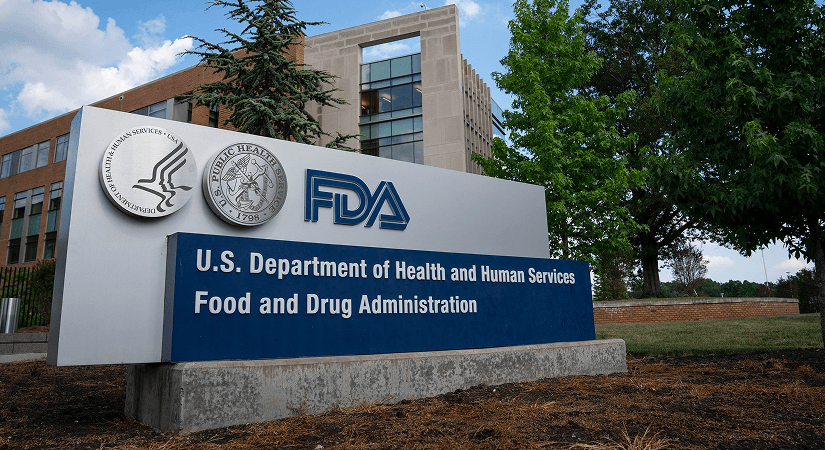
Regulatory affairs teams managing cross-border biologics shipments face a procedural landscape that has shifted materially since CBER's March 1, 2014 cessation of export certificate notarization, a change that continues to generate compliance questions for manufacturers exporting CBER-regulated products internationally. Understanding the current framework is a prerequisite for avoiding certification delays at the point of shipment.
Under 21 USC 381(e), FDA certifies in writing that regulated articles are eligible for export, but carries no statutory obligation to notarize those certificates. Issued certificates bear the original signature of an authorized FDA official and, except for cosmetic certificates, an embossed Department of Health and Human Services federal seal. CBER's position is that this authentication is sufficient and should not require further verification. Manufacturers whose destination markets demand additional authentication are directed to the U.S. Department of State, Office of Authentications (600 19th Street, NW, Washington, DC 20006), which issues both Authentication and Apostille Certificates for documents requiring country-level acceptance.
Operational responsibility for CBER's export program sits with the Division of Case Management (DCM) within CBER's Office of Compliance and Biologics Quality (OCBQ). DCM reviews requests for export of unapproved CBER-regulated products in addition to coordinating the broader certification program. Regulatory leads with importation-related queries can direct correspondence to [email protected].
For certificate submissions, CBER recommends use of the Biologics Export Certification Application and Tracking System (BECATS), the agency's dedicated platform for Certificate to Foreign Government (CFG) applications. BECATS supports full application entry, modification, and search functions, with step-by-step guidance published by CBER. Teams that have not yet migrated certificate requests to BECATS should treat that transition as a near-term operational priority, particularly where export volumes are high or destination-market regulatory timelines are compressed.
Guidance documents covering export and import requirements, FDA form descriptions, and the final rule on investigational new drug export requirements are accessible through CBER's compliance resources, alongside the original 2014 industry letter announcing the notarization change.
For sites managing unapproved biologics exports, DCM review timelines under the BECATS workflow will remain a key variable in release scheduling and distribution planning.
Source: FDA Center for Biologics Evaluation and Research (CBER) via What's New: Vaccines, Blood & Biologics RSS Feed, August 17, 2026.
Reporting on the science, business and regulation shaping the pharmaceutical industry.
More from Pharma News
All stories →Hepion Pharmaceuticals Gains FDA Backing for GV104 Modeling
FDA Extends Coral Snake Antivenin Lot CL6814 Expiration to June 2026 on Stability Data
Discussion