FDA Confirms DMagic Plus Contains Undisclosed Diclofenac and Toxic Oleander Compounds
FDA lab analysis confirms DMagic Plus contains undisclosed diclofenac and toxic oleander glycosides, signaling systemic supplement adulteration risk.

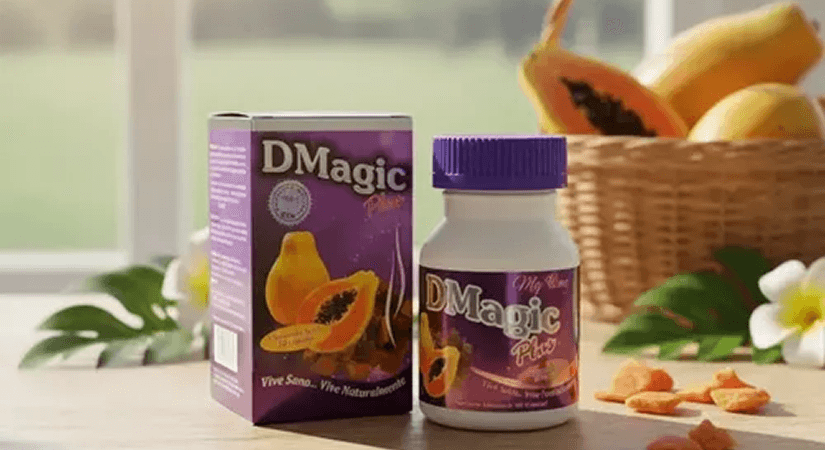
Laboratory analysis by FDA has confirmed that DMagic Plus, a weight-loss supplement sold through multiple online channels including www.lamilagrosalab.com, contains three undisclosed active compounds, a finding that reinforces a documented pattern of adulteration across the supplement category and carries direct implications for incoming material testing protocols.
The confirmed adulterants are diclofenac, a non-steroidal anti-inflammatory drug (NSAID), and two cardiac glycosides, neriifolin and thevetin B, derived from yellow oleander (Thevetia peruviana). None appear on the product label. Diclofenac carries well-established cardiovascular and gastrointestinal risk signals, including elevated probability of myocardial infarction, stroke, and gastrointestinal perforation; risk escalates materially when co-administered with other NSAID-containing products. Neriifolin and thevetin B present a distinct and potentially fatal toxicity profile spanning neurologic, gastrointestinal, and cardiovascular systems.
For QA directors and regulatory affairs leads, the compound mix is operationally significant. The simultaneous presence of a synthetic NSAID and toxic botanical glycosides in a single product points to multi-source adulteration rather than a single contamination event, a profile consistent with deliberate formulation rather than cross-contamination. Facilities engaged in contract manufacturing or packaging for supplement-adjacent brands should treat this notification as a prompt to reassess supplier qualification records and the scope of incoming material testing against 21 CFR Part 211 identity and purity requirements.
FDA has acknowledged it cannot test and identify all potentially adulterated dietary supplements on the market, a statement that effectively transfers a portion of the detection burden to the supply chain. Health care professionals and consumers are directed to report adverse events through FDA MedWatch, either via the online voluntary reporting form or by fax at 1-800-FDA-0178. The agency's tainted weight-loss products database remains the primary reference for tracking confirmed adulteration cases across this category.
The measurable checkpoint for operations teams is whether current analytical methods, particularly for undisclosed NSAIDs and cardiac glycosides, are embedded in incoming raw material specifications for any supplement or botanical-derived input handled on shared lines.
Source: U.S. Food and Drug Administration, Medication Health Fraud Notifications, via FDA.gov, August 12, 2026.
Simantini Singh Deo works on the latest and trending news happening daily in the pharma world.
More from Pharma News
All stories →Hepion Pharmaceuticals Gains FDA Backing for GV104 Modeling
FDA Extends Coral Snake Antivenin Lot CL6814 Expiration to June 2026 on Stability Data
Discussion