FDA Slams Brakes On Rocket Pharma's Gene Therapy For Immune Disorders
Rocket Pharmaceuticals' gene therapy was not approved by the FDA, causing shares to drop over 12%.

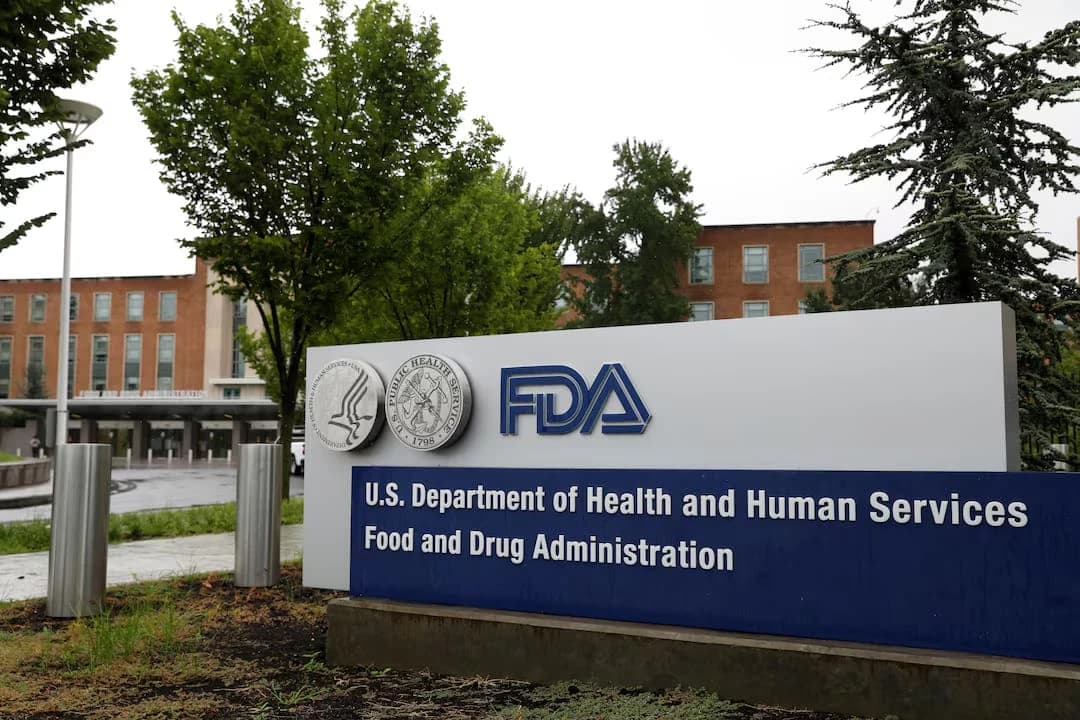
Rocket Pharmaceuticals (RCKT.O) announced on Friday that the U.S. health regulator has declined to approve its gene therapy for a rare and severe pediatric disorder, which impairs the immune system, causing its shares to drop over 12% in early trading. The Food and Drug Administration, in a complete response letter, has requested additional information regarding certain processes of the gene therapy, named Kresladi, to finalize its review.
The company aimed for its first approval from the agency to treat patients with severe Leukocyte Adhesion Deficiency-I (LAD-I), a disorder estimated by Rocket to affect approximately 800 to 1,000 individuals in the U.S. and Europe. In these patients, due to a mutation in the ITGB2 gene, white blood cells are unable to adhere properly to blood vessel walls at infection sites, leading to severe immune deficiencies and recurrent infections.
The New Jersey-based company stated that it had engaged in discussions with the FDA to provide the requested information for expedited approval. The application for marketing approval was supported by data from an early-to-mid-stage trial in which all nine patients survived for at least 12 months after infusion. In February, the FDA extended its decision timeline to review similar data related to specific processes of the gene therapy.
Analysts at TD Cowen suggested that the delay appeared to be due to the FDA's workload and not any issues with the company. TD Cowen analyst Tyler Van Buren noted that while Kresladi represents a smaller market opportunity for Rocket, its success would validate the company's lentiviral platform, which is also being used for other therapies targeting larger patient populations. Currently, the only curative treatment for this condition is a type of bone marrow transplant, which is often not readily available and involves significant risk.
My international experience as a researcher in Taiwan for three years has equipped me with a global perspective, enabling me to create content that resonates with an international audience.
More from Pharma News
All stories →
Pharming Group Gains FDA Approval for Leniolisib in Children Aged 4–11 with APDS

Lonza Builds Oregon Spray-Drying Facility To Expand SDD Capacity

Discussion