FDA Updates Ozempic Counterfeit Warning Amid GLP-1 Risks
FDA's third counterfeit Ozempic advisory signals persistent GLP-1 supply chain vulnerabilities, raising DSCSA compliance urgency for manufacturers and distributors.

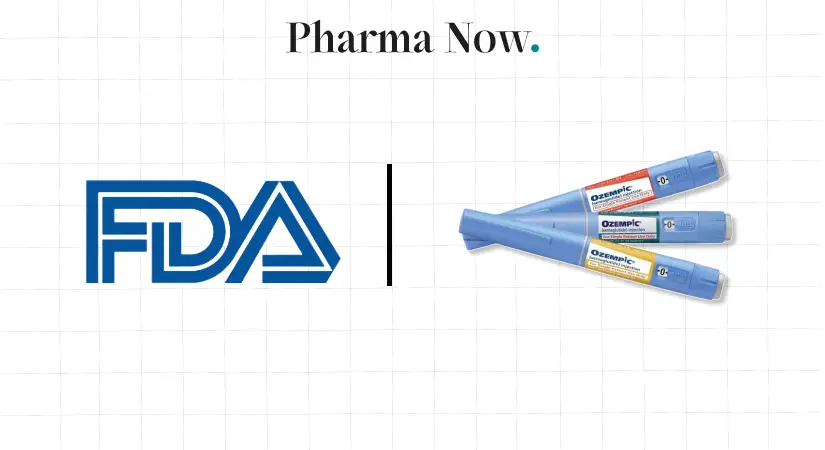
Counterfeit semaglutide has now prompted three separate FDA advisories since June 2023, and supply chain operators handling GLP-1 products face mounting pressure to demonstrate that serialization and track-and-trace controls are functioning as designed. The agency's most recent update to its counterfeit Ozempic warning, issued December 5, 2025, signals that the threat has not been contained despite earlier interventions.
The FDA's counterfeit drug reporting page documents a concentrated pattern of incidents across high-demand categories: semaglutide injection pens, orlistat capsules (Haleon's alli, flagged June 20, 2025), botulinum toxin products, and ophthalmic solutions. Each case involved product that entered distribution channels while presenting as authentic, carrying risks of wrong active ingredient concentrations, undeclared substitutes, or no active ingredient at all. For QA directors, the recurring entry point is the same: product sourced outside state-licensed pharmacy networks, including unauthorized online retailers.
FDA's framework for supply chain integrity rests on a closed distribution model reinforced by the Drug Supply Chain Security Act (DSCSA), which mandates unit-level serialization and electronic interoperability across trading partners. The agency works alongside U.S. Customs and Border Protection to screen imported product, and its Office of Criminal Investigations handles criminal referrals when counterfeit activity is confirmed. Manufacturers and distributors are expected to report suspect product directly to FDA, with adverse events routed through MedWatch.
The global dimension compounds the compliance picture. FDA acknowledges that many counterfeit products originate abroad and enter through mail channels or smuggling, placing additional weight on importers' verification obligations and on manufacturers' ability to authenticate product at the unit level before it moves downstream. Regulatory affairs leads should note that FDA coordinates with foreign counterpart agencies where bilateral arrangements permit, but enforcement reach outside U.S. jurisdiction remains uneven.
For plant heads and distribution quality teams, the operational read from this advisory pattern is direct: serialization records, verification logs, and suspect-product quarantine procedures should be audit-ready, particularly for any SKU appearing on FDA's published counterfeit reports list.
The December 2025 Ozempic update remains active, and further revisions are possible as FDA's monitoring of the GLP-1 supply chain continues.
Source: U.S. Food and Drug Administration, Drugs, Buying and Using Medicine Safely, via FDA.gov, August 24, 2026.
Simantini Singh Deo works on the latest and trending news happening daily in the pharma world.
More from Pharma News
All stories →Hepion Pharmaceuticals Gains FDA Backing for GV104 Modeling
FDA Extends Coral Snake Antivenin Lot CL6814 Expiration to June 2026 on Stability Data
Discussion