Huawei Launches Medical Tech 2.0 Solution, An AI-Driven Digital Healthcare Solution For Better Treatment
Huawei introduces the AI-powered Medical Technology Digitalization 2.0 Solution to advance precision healthcare.

At HUAWEI CONNECT 2024, Huawei, alongside its partners,
introduced the Medical Technology Digitalization 2.0 Solution during the
healthcare session titled "Enhancing Inclusivity to Amplify Healthcare
Intelligence." This innovative solution leverages AI for assisted
diagnosis and intelligent quality control, advancing precision healthcare and
streamlining hierarchical diagnosis and treatment systems.
Key participants in the launch included Sun Pengfei, Vice
President of Huawei Global Public Sector; Hou Yu, CEO and Founder of MED
Imaging AI; Zhang Yu, General Manager of Wanxiang Medical Technology Co., Ltd.;
Sun Fenglei, Product Strategy Director at Beijing DeepWise Technology Co.,
Ltd.; and Liu Zheng, Business Development Director of KFBIO.
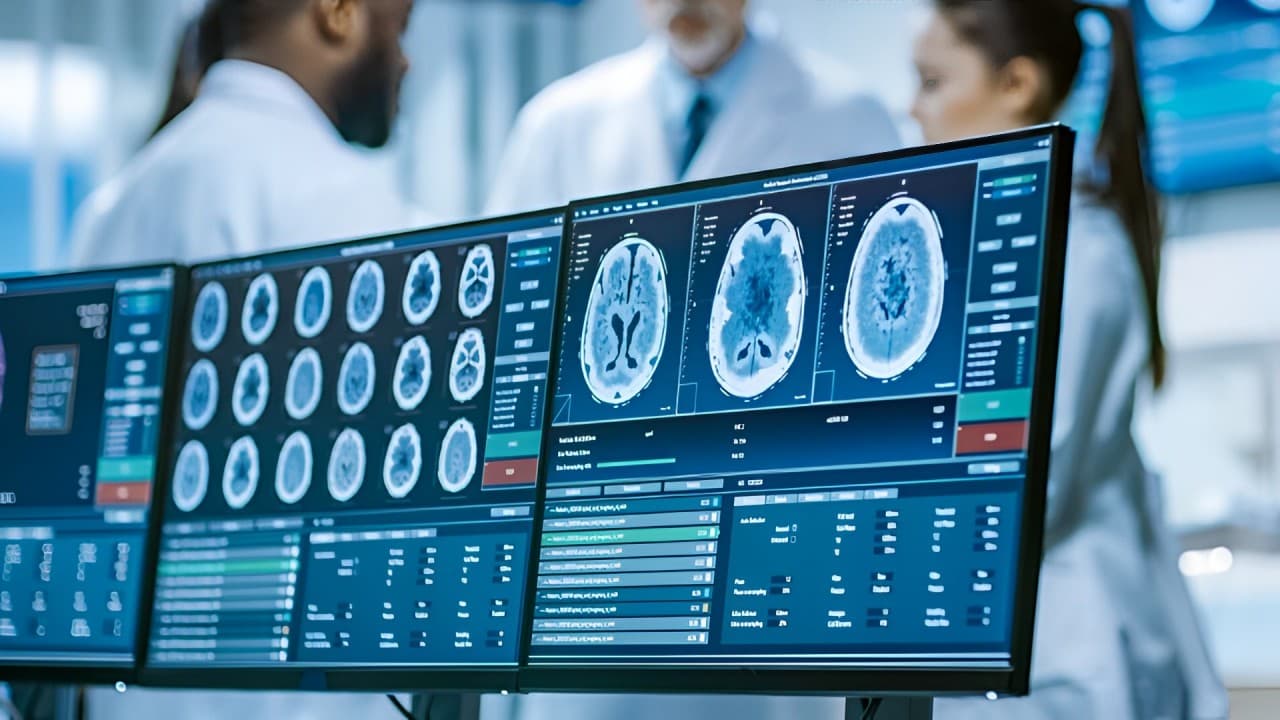
Medical imaging constitutes the majority of clinical data,
representing about 80%. With the integration of AI, the potential of this data
is unlocked, playing a crucial role in diagnostics, treatment planning, and
preventive care. Huawei's Medical Technology Digitalization 2.0 Solution
combines AI, computing, storage, and networking to work alongside industry
partners in enhancing healthcare. By leveraging AI-driven quality control and
diagnostic tools, the solution optimizes both the accuracy and efficiency of
medical services. This technology has already been adopted in facilities such
as the Fourth People's Hospital of Shenyang.
This advanced medical imaging solution leverages AI to
accurately assess and enhance image quality, achieving a 98% accuracy in
quality control. By improving image clarity, it optimizes the diagnostic
process. The solution also supports AI-driven segmentation, detection, and
quantitative analysis of images, automating tasks and reducing the rate of
missed diagnoses. With diagnosis times cut by 40%, healthcare providers see a
significant boost in efficiency.
For ultrasound applications, this system integrates digital
imaging devices powered by OpenHarmony, utilizing an AI device-edge synergy
framework. This architecture allows for real-time AI-assisted diagnosis with
low latency video transmission, enabling centralized quality control across
regions. Instead of relying on occasional spot checks, ultrasound quality
control can now cover the entire region. The AI-assisted diagnosis process
maintains an end-to-end delay of less than 150 milliseconds, ensuring continuous
improvements in diagnostic quality and efficiency throughout the area.
Li Junfeng, Huawei’s Vice President and President of the
Global Public Sector, highlighted that the coming years present significant
opportunities for digital and intelligent technologies to drive healthcare's
growth. Huawei is committed to foundational technologies and is constantly
advancing its solutions tailored to the healthcare sector, including Smart
Wards, Smart Hospital Campuses, and Telemedicine. So far, Huawei has supported
over 5,000 healthcare facilities across more than 110 countries and regions
worldwide.
My international experience as a researcher in Taiwan for three years has equipped me with a global perspective, enabling me to create content that resonates with an international audience.



Discussion