Micron Biomedical to Develop Dissolvable Microarray For Acute Radiation Syndrome, Wins $4.5 Million NIAID Contract
Micron Biomedical wins $4.5 million NIAID contract to develop dissolvable microarray for radiation injury.

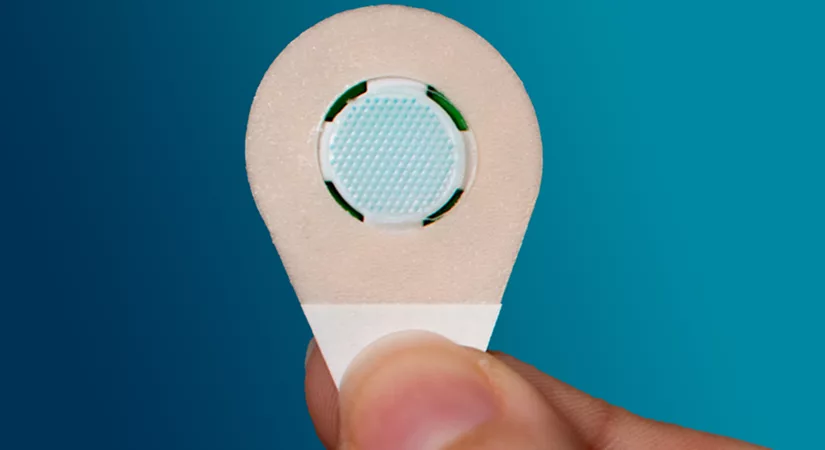
Micron Biomedical has received a $4.5 million contract from the National Institute of Allergy and Infectious Diseases (NIAID), part of the U.S. National Institutes of Health, to develop what the company describes as the world's first dissolvable microarray medical countermeasure for radiation injury. The programme aims to support rapid treatment of Acute Radiation Syndrome (ARS), a potentially life-threatening condition caused by high-dose radiation exposure over a short period, such as following a nuclear accident or radiological emergency.
Under the contract, Micron Biomedical will integrate xempritolimod, an advanced TLR5 agonist developed by Connext, into its dissolvable microarray platform. The resulting treatment is being designed to be thermostable, needle-free and easy to administer, either by caregivers, minimally trained personnel or potentially by patients themselves. The technology also produces sharps-free waste, which could simplify the distribution and administration of medical countermeasures during large-scale emergencies.
“Medical countermeasures are only effective if they can be rapidly deployed when and where they are needed,” said Dr. Sandeep Patel, former Director of BARDA DRIVe. “As preparedness leaders evaluate the next generation of biodefense and emergency response capabilities, increasing attention is being paid to technologies that reduce reliance on cold-chain logistics, trained personnel, and traditional healthcare infrastructure. Those considerations are just as important as the medicine itself.”
Rapid access to treatment following radiation exposure is critical because early intervention may help reduce the severity of radiation injury. For emergency preparedness, medical countermeasures must also remain stable during long-term stockpiling and be capable of being distributed quickly on a large scale. Micron's microarray platform is designed to address these requirements by delivering therapeutic agents through a small dissolvable "button" that releases the medicine into the upper layers of the skin without conventional injections.
“At a time when technological and AI advancements and an increasingly complex geopolitical landscape have heightened interest in national preparedness for radiation exposures, this contract represents an important recognition that protecting people from dangerous radiation requires medical countermeasures that can be deployed quickly and efficiently,” said Steven Damon, CEO of Micron Biomedical. “We appreciate NIAID’s support for Micron Biomedical and the openness to a paradigm shift in how radiation exposure medicine might be delivered in order to transform our resilience during public health and national security emergencies.”
Connext's xempritolimod has demonstrated efficacy in animal models of radiation exposure, including mice and nonhuman primates, while an early human study has shown acceptable tolerability and activity. Micron's broader microarray technology has previously been evaluated in clinical studies involving self-administered seasonal influenza vaccines and nurse-administered measles-rubella vaccines in children, with findings published in The Lancet. The new NIAID-supported programme adds to Micron's portfolio of government-backed initiatives aimed at improving access to critical medicines and strengthening preparedness for emerging health threats.
Reporting on the science, business and regulation shaping the pharmaceutical industry.
More from Pharma News
All stories →Hepion Pharmaceuticals Gains FDA Backing for GV104 Modeling
FDA Extends Coral Snake Antivenin Lot CL6814 Expiration to June 2026 on Stability Data

Discussion