FDA Approves Takeda's Mimrylo (Rusfertide) for Polycythemia Vera
FDA approves Takeda's Mimrylo (rusfertide), the first hepcidin mimetic for polycythemia vera, following priority review and Phase 3 VERIFY trial data.

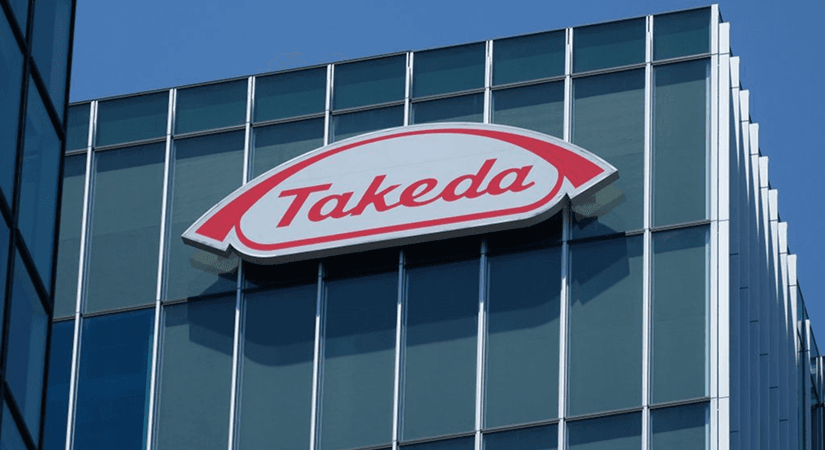
Takeda Pharmaceuticals America's FDA approval of Mimrylo (rusfertide) on August 28, 2026, introduces the first hepcidin mimetic to the polycythemia vera market, a mechanistic category that did not previously exist in approved therapy, and one that will require manufacturing teams to validate a subcutaneous biologic at commercial scale under 21 CFR Part 211 and applicable biologics GMP standards.
Mimrylo works by limiting iron availability to erythroid precursors, suppressing red blood cell overproduction without direct cytoreduction. The mechanism is distinct from hydroxyurea and ruxolitinib, the current standard-of-care options, and its hepcidin-mimetic profile places it in a novel pharmacological class. For QA and regulatory leads at Takeda's manufacturing sites, first-in-class status means no predicate product to benchmark comparability or reference in process validation packages, every critical quality attribute must be established de novo.
The approval rests on the VERIFY trial, a multicenter, randomized, double-blind, placebo-controlled Phase 3 study enrolling 293 adults with polycythemia vera who required frequent phlebotomies despite ongoing standard-of-care therapy. Patients were randomized 1:1 over 32 weeks; Mimrylo initiated at 19 mg subcutaneously once weekly, titrated to maintain hematocrit below 45%. The primary endpoint, proportion of patients requiring no phlebotomy between weeks 20 and 32, was met: 76.9% on Mimrylo versus 32.9% on placebo. The most common adverse reactions were injection site reactions and anemia.
The subcutaneous, once-weekly dosing regimen carries direct implications for fill-finish operations. Prefilled syringe or autoinjector configurations typical of this delivery format require container-closure integrity validation, extractables and leachables profiling, and device human factors studies, all of which must be reflected in the approved regulatory dossier and maintained under post-approval change management aligned with ICH Q10 principles. Any manufacturing site changes post-approval will trigger comparability protocols and, depending on scale, Prior Approval Supplements.
Priority review designation, granted on the basis of serious condition and unmet need, compressed the standard review clock but does not alter post-market obligations. Takeda will be expected to maintain robust pharmacovigilance infrastructure and submit periodic safety update reports on the schedule agreed with FDA's Division of Nonmalignant Hematology.
The sterility assurance program for a subcutaneous biologic of this class will be a focal point in any pre-approval or surveillance inspection, particularly given the titration-dependent dosing scheme that implies a range of fill volumes or concentrations requiring individual validation coverage.
Commercial launch readiness, including batch release procedures, stability program execution, and distribution chain qualification, now becomes the critical path for Takeda's operations and quality teams.
Source: U.S. Food and Drug Administration press release via FDA.gov, August 28, 2026.
Simantini Singh Deo works on the latest and trending news happening daily in the pharma world.
More from Pharma News
All stories →
IDEAYA Biosciences Achieves 17.4-Month Median OS with IDE849 ADC in Relapsed SCLC
FDA Issues Twelve Biologics Guidance Documents Covering Container Closure, Blood Manufacturing, and Biosimilars
Discussion