TMIV Imaging Launches AI-Driven CLARION CT in India
TMIV Imaging launches the CLARION CT System in India, combining AI reconstruction with the Aegis Detector System for low-dose imaging workflows.

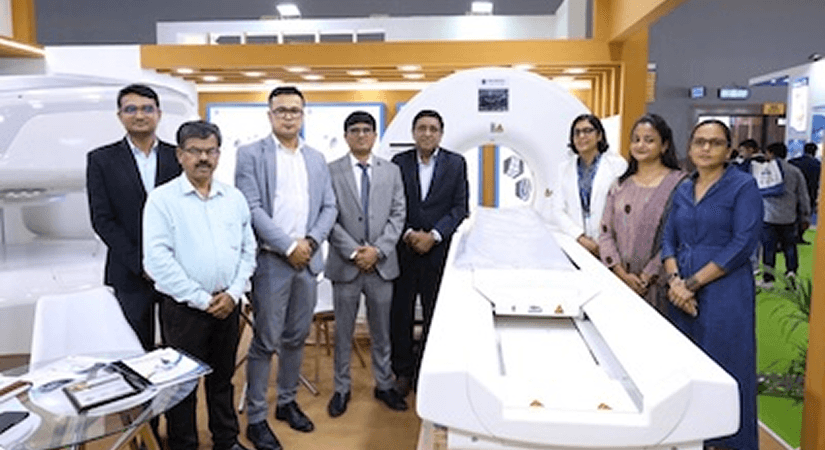
TMIV Imaging's entry into the Indian CT market with the CLARION CT System signals a shift in how diagnostic imaging infrastructure is being positioned for clinical and regulatory environments that increasingly demand dose accountability and image reproducibility. The launch, confirmed in late August 2026, introduces an AI-integrated platform designed to address image quality and low-dose protocol requirements that are becoming baseline expectations in regulated facility settings.
Central to the system's design is the Aegis Detector System, engineered to improve low-contrast detectability and image clarity while supporting reduced-dose imaging workflows. For radiology and imaging departments operating under quality management frameworks, the combination of AI-driven reconstruction and detector-level optimization directly affects protocol validation and the defensibility of dose reduction decisions during audits or accreditation reviews.
India's diagnostic imaging sector has faced sustained pressure to align with international standards on radiation dose management, a concern that intersects with both patient safety mandates and facility compliance posture. Deploying systems with built-in low-dose support reduces the documentation burden on clinical teams when justifying imaging protocols to regulatory or accreditation bodies, provided the underlying performance data is robust and independently verifiable.
The CLARION platform's AI integration also carries implications for workflow standardization across multi-site diagnostic networks, where image consistency between installations is a recurring quality assurance challenge. Facilities evaluating the system will need to assess how AI reconstruction parameters are validated, version-controlled, and documented across software updates, particularly if the platform is used in environments subject to periodic technical audits.
Independent performance validation data for the Aegis Detector System and the AI reconstruction algorithms has not been publicly disclosed at this stage, leaving procurement and QA teams reliant on manufacturer specifications ahead of any third-party benchmarking.
Source: Indian Pharma Post via Media4Growth, 28 August 2026.
Reporting on the science, business and regulation shaping the pharmaceutical industry.
More from Pharma News
All stories →Hepion Pharmaceuticals Gains FDA Backing for GV104 Modeling
FDA Extends Coral Snake Antivenin Lot CL6814 Expiration to June 2026 on Stability Data

Discussion