US FDA Implements Strict Rules for Laboratory-Developed Tests
FDA implements stricter regulations on Laboratory Developed Tests (LDTs) to enhance oversight and ensure safety and effectiveness.

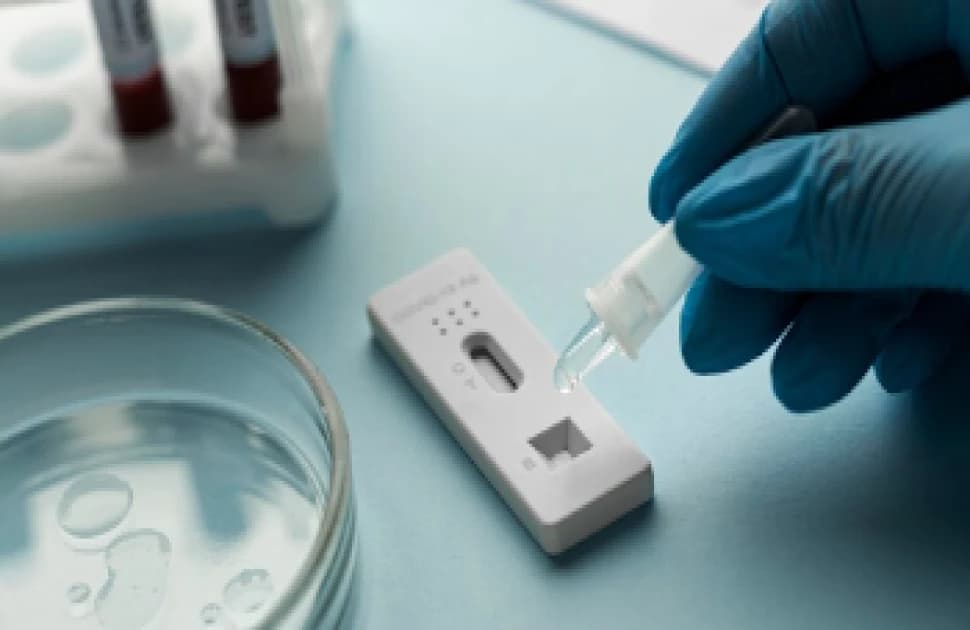
As per the reports, on April 29, the U.S. Food and Drug Administration (FDA) implemented stricter regulations for clinical laboratories through a new rule to enhance oversight of their developed diagnostic tests. Previously, labs were permitted to conduct tests in-house to diagnose various conditions, provided they met specific standards, without having a conventional authorization process. However, citing heightened risks associated with the widespread adoption of modern LDTs, the agency emphasized the need for strict regulations.
LDT refers to Laboratory Developed Tests, an in-vitro diagnostic product designed, manufactured, and used within a single laboratory certified under the Clinical Laboratory Improvement Amendments of 1988 (CLIA). LDTs are intended to be used in collecting, preparing, and examining samples like blood, saliva, or tissue obtained from the human body. Like other IVDs, LDTs can detect or quantify analytes such as proteins, glucose, cholesterol, and DNA. It can diagnose and monitor or determine the course of action.
As the use of LDTs is growing in the number of healthcare decisions, it raises concerns about the safety and effectiveness of these IVDs. FDA Executive Jeff Shuren underscored the uncertainties regarding the extent and quality of these tests. He expressed his concerns over the potential inaccuracies in results. The FDA has outlined plans to establish a comprehensive database of available LDTs and pertinent details to empower patients and healthcare providers with better information.
According to the new regulations, LDTs will be subjected to the same stringent requirements as diagnostic tests from medical device manufacturers, necessitating FDA review of applications and mandatory reporting of adverse events. The transition to these new rules will be phased in over four years, with certain LDTs exempted based on their market debut date or clearance by New York State's Clinical Laboratory Evaluation Program (CLEP).
The key players in the laboratory sector, namely Labcorp and Quest Diagnostics, currently derive a notable portion of their testing volumes from LDTs, with a significant proportion being CLEP-approved. This new rule is anticipated to alleviate the regulatory burdens while reducing the ongoing approval costs for the test providers.
My international experience as a researcher in Taiwan for three years has equipped me with a global perspective, enabling me to create content that resonates with an international audience.
More from Pharma News
All stories →
IDEAYA Biosciences Achieves 17.4-Month Median OS with IDE849 ADC in Relapsed SCLC

FDA Issues Twelve Biologics Guidance Documents Covering Container Closure, Blood Manufacturing, and Biosimilars

Discussion