Silexion Therapeutics Reports New Preclinical Data Supporting SIL204 Combination With Immunotherapy In KRAS-Driven Cancers
Silexion Therapeutics reports new preclinical data showing SIL204 may boost immune response to KRAS-driven cancers, supporting checkpoint combos.

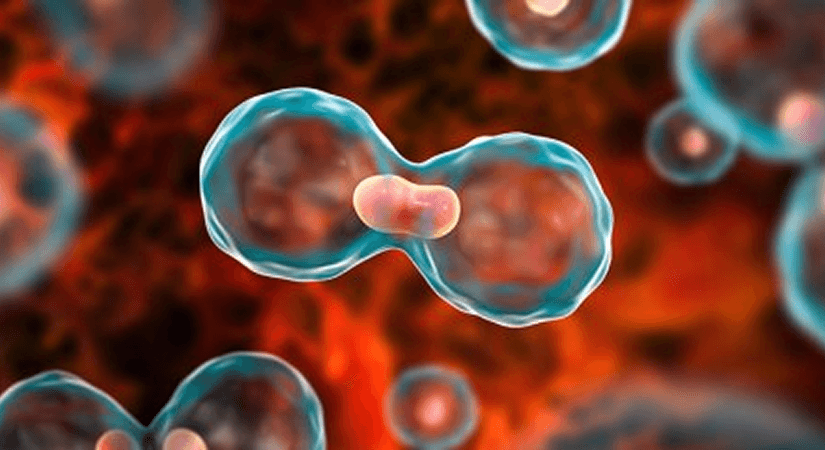
- Silexion's SIL204 significantly increased FAS expression and reduced HLA-G expression in three human cancer cell lines with different KRAS mutations.
- Studies covered pancreatic cancer (KRAS G12D) and NSCLC (KRAS G12V and G12C) models.
- FAS (CD95) helps immune cells like CD8+ T cells and NK cells trigger cancer cell death; SIL204 showed dose-dependent increases in FAS in G12D and G12V models.
- HLA-G is an immune checkpoint protein tumors use to evade detection; the strongest reduction was seen in KRAS G12C-mutant NSCLC cells.
- These findings add to earlier May 2026 data showing SIL204 also increases MHC-I expression, another key antigen-presentation pathway.
Silexion Therapeutics Corp., a clinical-stage biotechnology company developing RNA interference (RNAi) therapies for KRAS-driven cancers, has announced additional positive preclinical findings for its investigational therapy, SIL204. The latest results from the company's translational immuno-oncology program show that SIL204 may help make KRAS-mutant cancer cells more responsive to the body's immune system, further supporting its potential use in combination with anti-PD-(L)1 immune checkpoint inhibitors.
The newly reported studies were conducted in three human cancer cell lines representing different KRAS mutations, including pancreatic cancer with the KRAS G12D mutation and non-small cell lung cancer (NSCLC) with KRAS G12V and G12C mutations.
Researchers found that SIL204 significantly increased the expression of FAS, a receptor that helps immune cells trigger cancer cell death, while significantly reducing the expression of HLA-G, an immune checkpoint protein that tumors use to escape immune detection.
These findings build on previously reported data from May 2026 showing that SIL204 also increased MHC-I expression, another important factor that improves the immune system's ability to recognize cancer cells.
Chairman and Chief Executive Officer Ilan Hadar said the new data strengthen the immuno-oncology profile of SIL204 by demonstrating its ability to influence three major pathways that KRAS-driven tumors use to avoid immune attack. According to the company, SIL204 enhances antigen presentation through MHC-I, restores cancer cell sensitivity to immune-mediated destruction by increasing FAS expression, and reduces immune suppression by lowering HLA-G levels.
These coordinated effects were observed across multiple KRAS mutations and in two of the most common KRAS-driven cancers, supporting further evaluation of SIL204 alongside anti-PD-(L)1 checkpoint inhibitor therapies, particularly for pancreatic cancer where immunotherapies have historically shown limited success as standalone treatments.
The company explained that FAS, also known as CD95, is a cell surface receptor that enables activated immune cells, including CD8+ T cells and natural killer (NK) cells, to eliminate cancer cells. Many KRAS-driven tumors reduce FAS expression to avoid immune destruction. In the latest study, SIL204 produced statistically significant and dose-dependent increases in FAS expression in KRAS G12D-mutant pancreatic cancer cells and KRAS G12V-mutant NSCLC cells, suggesting the therapy may help restore the immune system's ability to kill tumor cells.
Researchers also observed statistically significant reductions in HLA-G expression following SIL204 treatment. HLA-G is an immune checkpoint molecule that suppresses the activity of T cells, natural killer cells, and other immune cells, allowing tumors to evade immune surveillance. The strongest reductions were seen in KRAS G12C-mutant NSCLC cells, with additional decreases observed in pancreatic and lung cancer models carrying other KRAS mutations. Since HLA-G has emerged as an important target for cancer immunotherapy, lowering its expression may improve the effectiveness of immune-based treatments.
When combined with the company's previously reported findings showing increased MHC-I expression, the new results demonstrate that SIL204 influences three critical immune pathways across four different KRAS mutations—G12D, G12V, G12C, and G12R—in both pancreatic and non-small cell lung cancer models.
Silexion believes these findings strengthen the scientific rationale for its ongoing Phase 2/3 clinical development of SIL204. The results also come as researchers increasingly explore combinations of KRAS-targeted therapies with immune checkpoint inhibitors, particularly in pancreatic cancer and KRAS-mutant NSCLC, where there remains a significant need for treatments that can improve responses to immunotherapy.
Simantini Singh Deo works on the latest and trending news happening daily in the pharma world.
Mehr aus Pharma News
Alle Beiträge →
Roche erhält für Fenebrutinib eine FDA-Prioritätsprüfung bei RMS und PPMS

AbbVies Zumilokibart erreicht Phase‑2-Endpunkt bei atopischer Dermatitis

Discussion