WHO Warns Of Severe Risks From Falsified Oxymorphone Hydrochloride Supply
WHO alerts on counterfeit Oxymorphone tablets in Finland, actually containing dangerous metonitazene.

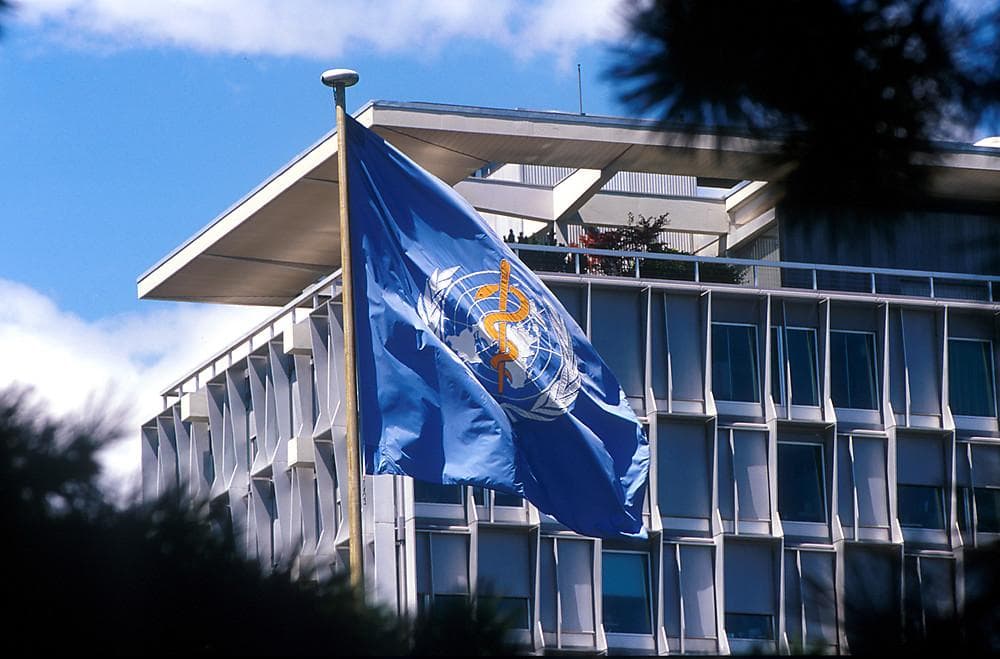
This WHO Medical Product Alert concerns a batch of
counterfeit Oxymorphone Hydrochloride 40mg tablets. Discovered within Finland's
unregulated supply chain, the falsified batch was flagged by the Finnish
Medicines Agency (FIMEA) and reported to WHO in July 2024. Oxymorphone
Hydrochloride, a semi-synthetic opioid for moderate to severe pain, was found
in these counterfeit tablets. However, lab tests revealed that they actually
contained metonitazene instead. Metonitazene is a powerful synthetic opioid with
no legitimate medical use. Classified as a Schedule I narcotic by international
control based on WHO's 2021 recommendations, even small doses can cause severe
respiratory depression, heavy sedation, addiction, and potentially fatal
overdose.
This product is confirmed as falsified due to its
intentional misrepresentation of identity, composition, and origin. The
counterfeit product mimics Oxymorphone Hydrochloride from Aurolife Pharma, who
have verified that the product mentioned in this alert is falsified and was not
manufactured by them.
To spot this fake product, look for the following
indicators:
The fake version's label lacks a barcode on the bottle.
It is labeled as 40mg, whereas Aurolife Pharma's Oxymorphone
Hydrochloride is only available in 5mg and 10mg doses.
The counterfeit tablets do not have embossed letters or
numbers.
The label on the fake product is missing the National Drug
Code of the United States.
All medical products should only be sourced from authorized
or licensed suppliers. Healthcare professionals are urged to report any adverse
effects, unexpected outcomes, or suspected counterfeit products to their
National Regulatory Authorities or National Pharmacovigilance Centre. WHO
recommends heightened vigilance and monitoring within the supply chains of
regions potentially impacted by these counterfeit products. Additionally,
increased scrutiny of the informal and unregulated markets is advised. National
regulatory authorities, health authorities, and law enforcement agencies are
encouraged to promptly inform WHO if they identify the counterfeit product in
their country.
Simantini Singh Deo works on the latest and trending news happening daily in the pharma world.
Mehr aus Pharma News
Alle Beiträge →
Ab Science überarbeitet Studienzeitpläne nach drei GCP-Inspektionen
Novo Nordisk unterzeichnet einen $2,6B-Deal mit Hengrui für orales GLP-1
Discussion