Decoy Therapeutics Expands Antiviral Programme to Target Ebola and Marburg Viruses, D-MAV Candidate Shows In Vitro Activity
Decoy Therapeutics expands antiviral program to target Ebola and Marburg viruses after D-MAV shows in vitro activity.

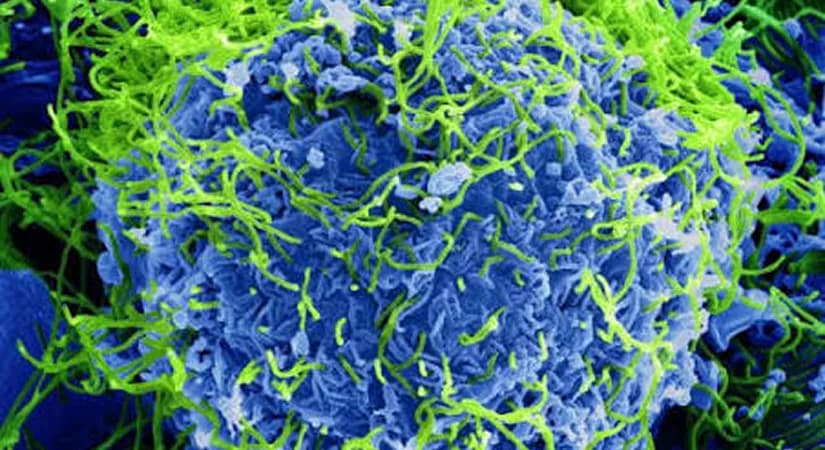
Decoy Therapeutics has announced that one of its Designable Multi-Antiviral (D-MAV™) candidates demonstrated in vitro activity against the wild-type Ebola Zaire virus in testing conducted at the Texas Biomedical Research Institute. Following these findings, the biotechnology company has launched an exploratory programme focused on developing D-MAV candidates targeting filoviruses, including Ebola and Marburg.
"We engineered this D-MAV against a mechanism coronaviruses depend on, and it inhibited filovirus infection because they rely on the same class I fusion machinery," said Dr. Barbara Hibner, Chief Scientific Officer and Co-Founder of Decoy Therapeutics. "This activity validates the strategy behind our broad-based antiviral platform, and demonstrates the breadth of D-MAV effectiveness. We are now designing new D-MAVs for multi-viral inhibition of filoviruses and arenaviruses, the development of which we believe our platform can accelerate."
The candidate was originally engineered using Decoy's IMP3ACT™ platform to prevent coronavirus entry and has demonstrated activity at nanomolar to picomolar concentrations across known coronavirus strains. Its ability to also show activity against Ebola Zaire supports the company's approach of developing a single antiviral capable of targeting shared viral mechanisms across multiple pathogens.
"Viruses don't operate in a one-drug, one-virus silo, and our industry's legacy reactive model has left the world playing catch-up against viral threats," said Rick Pierce, Chief Executive Officer of Decoy Therapeutics. "Our respiratory program remains our priority and our path toward the clinic. What this result changes is our sense of how much more the platform can reach."
In the same laboratory testing, the candidate also demonstrated in vitro activity against Lassa fever virus, which belongs to the arenavirus family. Ebola, Marburg and Lassa fever are among the diseases eligible for the FDA's Tropical Disease Priority Review Voucher programme, which is intended to encourage the development of treatments for serious diseases that may otherwise have limited commercial incentives.
Decoy said the findings demonstrate the potential of its platform to address both commercial antiviral markets and pandemic preparedness through a common drug-development strategy. The company believes that expanding the platform across multiple viral families could help broaden access to treatments for emerging and underserved infectious diseases. The need for such approaches is underscored by ongoing outbreaks of filoviruses, including Bundibugyo virus, for which approved vaccines or treatments remain unavailable.
Reporting on the science, business and regulation shaping the pharmaceutical industry.
Más de Pharma News
Todos los artículos →
Fenebrutinib de Roche obtiene revisión prioritaria de la FDA para RMS y PPMS

Zumilokibart de AbbVie cumple el criterio primario de Fase 2 para dermatitis atópica

Discussion