The New-Age Pharma CHRO: Driving Talent, Innovation, And Business Growth
The evolving role of the pharma CHRO: from HR administrator to strategic business leader driving growth.


The pharmaceutical industry is changing at an unprecedented pace. Scientific breakthroughs, digital transformation, evolving regulations, and increasing global competition have reshaped how pharmaceutical companies operate.
While research, manufacturing, and quality functions remain central to business success, organizations are also recognizing the importance of strong leadership in managing their workforce. This has significantly transformed the role of the Chief Human Resources Officer (CHRO).
Traditionally, the CHRO was responsible for recruitment, employee relations, payroll, and HR compliance. Today, the position has become far more strategic.
Modern pharma CHROs play an active role in business planning, leadership development, workforce transformation, and organizational culture. Their decisions influence innovation, productivity, employee engagement, and long-term business growth.
As pharmaceutical companies prepare for the future, the CHRO has become a key executive responsible for ensuring that people strategies align with business objectives.
From HR Administrator To Strategic Leader
The responsibilities of HR leaders have expanded well beyond traditional personnel management. While administrative functions remain important, they now form only one part of the CHRO's overall role.
Today's pharma CHRO works closely with the CEO and other senior executives to develop workforce strategies that support the company's long-term vision. Whether a company is expanding manufacturing capacity, investing in advanced therapies, or entering new global markets, HR leadership plays an important role in preparing the organization for these changes.
This shift reflects a broader understanding that business success depends not only on scientific expertise but also on attracting, developing, and retaining talented people.
The CHRO's shift to strategic leader isn't happening in isolation.
Here's how the entire HR function in pharma is being reshaped alongside it.
The broader transformation of pharma HR, function by function.
→ Read: HR in Pharma: New Roles, Skills & Leadership Expectations
Building A Future-Ready Workforce
Rapid technological advancements are changing the skills required in pharmaceutical organizations. Artificial intelligence, automation, digital manufacturing, advanced analytics, and personalized medicine are creating demand for professionals with new technical capabilities.
Rather than relying solely on external recruitment, many pharmaceutical companies are investing in upskilling and reskilling their existing workforce. The CHRO oversees learning and development programs that prepare employees for future roles while helping the organization remain competitive.
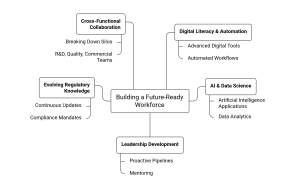
Key focus areas include:
- Digital literacy and automation
- Artificial intelligence and data analytics
- Leadership development
- Regulatory knowledge
- Cross-functional collaboration
Continuous learning has become an essential part of workforce planning, ensuring employees can adapt to changing technologies and business needs.
Key Areas Where The Pharma CHRO Is Driving Change
As the responsibilities of the pharma CHRO continue to expand, their influence extends across multiple areas of the organization. Beyond managing people, today's CHRO plays a strategic role in shaping business performance, fostering innovation, strengthening leadership, and preparing the workforce for future challenges. The following areas highlight how the modern pharma CHRO is creating value across the pharmaceutical industry.
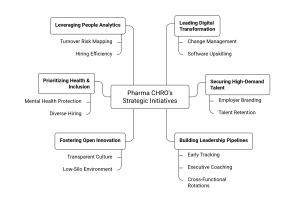
1) Leading Digital Transformation
Digital transformation is influencing every stage of pharmaceutical operations, from research and clinical development to manufacturing and quality management. However, introducing new technology requires more than software implementation. Employees must understand new systems and adapt to revised ways of working.
The CHRO plays a critical role in managing this transition by supporting change management initiatives, organizing training programs, and encouraging employees to embrace innovation. Effective communication during periods of change also helps reduce uncertainty and improve adoption of digital tools.
When technology and people strategies work together, organizations are better positioned to achieve sustainable improvements in productivity and operational efficiency.
2) Attracting And Retaining Top Talent
Competition for skilled pharmaceutical professionals continues to grow. Experts in biologics, regulatory affairs, quality assurance, data science, and advanced manufacturing are in high demand across the industry.
To attract the best talent, companies must offer more than competitive salaries. Employees increasingly value career development opportunities, flexible work arrangements, meaningful work, and a positive workplace culture.
The CHRO develops employer branding strategies that showcase these strengths while also improving recruitment processes and employee retention initiatives. Reducing turnover helps preserve valuable institutional knowledge and supports long-term business stability.
3) Strengthening Leadership And Succession Planning
Leadership continuity is essential in an industry where product development and regulatory approval often take many years. Preparing future leaders has therefore become one of the CHRO's most important responsibilities.
Succession planning involves identifying high-potential employees and providing them with opportunities to develop leadership skills through mentoring, executive coaching, cross-functional projects, and structured development programs.
By creating a strong leadership pipeline, pharmaceutical companies can minimize disruption, maintain business continuity, and ensure experienced leaders are available when needed.
A strong leadership pipeline doesn't build itself.
Here's how pharma companies are identifying and developing their next generation of leaders.
The best practices behind pharma succession planning.
→ Read: Developing Future Leaders in Pharma: Succession Planning Best Practices
4) Creating A Culture Of Innovation
Innovation is the driving force behind pharmaceutical progress. Developing new medicines requires collaboration between researchers, manufacturing specialists, quality professionals, regulatory experts, and commercial teams.
The CHRO helps build an organizational culture that encourages creativity, open communication, and continuous improvement. Employees should feel comfortable sharing ideas, learning from setbacks, and working across departments to solve complex challenges.
An innovative workplace also promotes trust, transparency, and recognition, allowing teams to remain motivated while contributing to the company's long-term success.
5) Prioritizing Employee Well-Being
The pharmaceutical industry often involves demanding schedules, strict compliance requirements, and high-performance expectations. Supporting employee well-being has therefore become an important business priority rather than simply an HR initiative.
Modern CHROs develop programs that promote both physical and mental well-being. These may include wellness activities, flexible working arrangements, employee assistance programs, stress management resources, and professional development opportunities.
Organizations that invest in employee well-being often experience higher engagement, improved productivity, stronger retention, and lower absenteeism, demonstrating that workforce health contributes directly to business performance.
6) Promoting Diversity, Equity, And Inclusion
Pharmaceutical companies develop products for diverse patient populations around the world. Building an equally diverse workforce enables organizations to benefit from different perspectives, experiences, and ideas.
The CHRO leads initiatives that encourage fair recruitment, equal career opportunities, inclusive leadership, and unbiased performance evaluations. Diversity, Equity, and Inclusion (DE&I) programs also strengthen collaboration and support better decision-making across the organization.
An inclusive workplace helps employees feel respected and valued, creating stronger teams that can drive innovation and improve patient-focused outcomes.
7) Using Workforce Analytics
Human Resources has become increasingly data-driven. Instead of relying solely on experience, CHROs now use workforce analytics to make informed decisions about recruitment, retention, employee engagement, and organizational planning.
Important HR metrics include employee turnover, hiring efficiency, training effectiveness, leadership readiness, absenteeism, and workforce productivity. These insights allow organizations to identify trends early and develop targeted strategies to improve performance.
People analytics also helps demonstrate how HR initiatives contribute to overall business success, reinforcing the strategic importance of the CHRO within the executive leadership team.
8) Supporting Compliance And Ethical Standards
Compliance remains one of the pharmaceutical industry's highest priorities. Although quality and regulatory departments oversee product compliance, the CHRO plays a significant role in ensuring employees understand workplace ethics and regulatory expectations.
Training programs covering Good Manufacturing Practices (GMP), Good Clinical Practice (GCP), data integrity, information security, and organizational codes of conduct help create a culture of accountability. The CHRO also supports transparent reporting systems that encourage employees to raise concerns without fear of retaliation.
Strong ethical leadership protects both the organization's reputation and its commitment to patient safety.
9) Preparing For The Future
The responsibilities of the pharma CHRO will continue to grow as the industry evolves. Artificial intelligence, personalized medicine, sustainability initiatives, and digital healthcare will create new workforce challenges and opportunities.
To remain successful, future CHROs will need expertise in business strategy, digital transformation, workforce planning, leadership development, and organizational change. They must balance technological advancement with human-centered leadership while ensuring employees remain equipped for future demands.
The most successful pharmaceutical companies will be those that view talent as a strategic asset rather than simply a resource.
In Conclusion
The role of the pharma CHRO has evolved from managing traditional HR functions to becoming a strategic leader who influences business performance, innovation, and organizational growth.
By developing future-ready talent, supporting digital transformation, strengthening leadership, promoting inclusion, and fostering a positive workplace culture, today's CHRO helps organizations navigate an increasingly complex business environment.
As the pharmaceutical industry continues to advance, people will remain its greatest strength. Companies that invest in skilled, engaged, and adaptable workforces will be better positioned to deliver innovative therapies, maintain regulatory excellence, and achieve sustainable success.
The evolving role of the pharma CHRO is therefore not only about managing employees but also about shaping the future of the organization and the healthcare industry as a whole.
FAQs
1. Why Is The Role Of A Pharma CHRO More Important Today Than Before?
The modern pharma CHRO is no longer limited to managing HR operations. They help shape business strategy by building future-ready talent, supporting digital transformation, strengthening leadership, improving employee engagement, and ensuring the workforce is prepared to meet evolving industry demands. As the pharmaceutical industry becomes more complex, people-related decisions have a direct impact on innovation and business success. This makes the CHRO a key member of the executive leadership team.
2. How Does A Pharma CHRO Contribute To Business Growth?
A pharma CHRO contributes to business growth by attracting and retaining skilled professionals, developing leadership pipelines, promoting innovation, improving workplace culture, and aligning people strategies with the company's long-term business goals. These efforts help improve productivity, innovation, and overall organizational performance. They also ensure that employees have the skills and support needed to adapt to changing technologies and market demands. A strong workforce enables organizations to remain competitive and achieve sustainable growth.
3. What Are The Biggest Priorities For Today's Pharma CHRO?
Some of the biggest priorities include workforce upskilling and reskilling, leading digital transformation, promoting diversity, equity, and inclusion (DE&I), supporting employee well-being, using workforce analytics for better decision-making, ensuring compliance, and preparing the organization for future industry changes. These priorities help create a resilient, engaged, and future-ready workforce. By balancing business objectives with employee development, the CHRO plays a vital role in ensuring long-term organizational success.
Reporting on the science, business and regulation shaping the pharmaceutical industry.
More in HR in Pharma
All articles →
Crisis Management: HR's Role in Business Continuity in the Pharmaceutical Industry

Top HR Strategies for Successful Pharma Mergers: People, Culture, and Integration 2025

Discussion