20 HR Software Solutions That Help Close Execution Gaps In Pharma Companies
Discover 20 HR software solutions that help pharma companies close execution gaps and build a smarter, compliant workforce.


Pharma companies operate in one of the most demanding and highly regulated industries. Every stage, from manufacturing and packaging to compliance and quality checks requires precision and coordination. Even minor human errors, miscommunication, or delays can slow down production, impact batch quality, or create compliance hurdles.
This is why execution gaps often emerge, not because of poor intent, but because teams lack the right tools to stay aligned and efficient. Modern HR software solutions help eliminate these gaps by creating seamless workflows, improving workforce visibility, and ensuring that the right people are equipped with the right skills at the right time.
Below Are 20 Essential HR Software Solutions That Help Pharma Companies Work Smarter & Maintain High Operational Standards!
20260311180900.svg "20 HR Software Solutions for Pharma Companies")
1. Centralized HR Information Systems (HRIS)
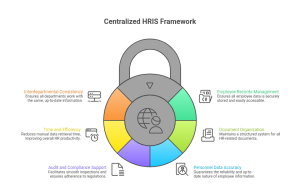
A centralized HRIS acts as the backbone of HR operations by keeping all employee records, documents, and personnel data organized in one place. In pharma environments where documentation accuracy is crucial for audits and compliance checks, a well-structured HRIS eliminates confusion and prevents errors caused by scattered files or outdated records. It supports smoother inspections, saves time spent on manual data retrieval, and ensures everyone across departments works with the same information.
2. Workforce Planning and Scheduling Tools
Production plants, laboratories, and quality teams often work on shift-based models, making scheduling a challenging task. Workforce planning tools simplify this by providing managers with a clear, real-time view of staff availability and workload distribution. With automated scheduling, managers can quickly assign shifts, predict staffing shortages, and maintain consistent staffing levels across functions. This helps avoid operational slowdowns caused by missing or insufficient manpower.
3. Attendance & Biometric Tracking Systems
Accurate attendance plays a much larger role in pharma than basic payroll calculation. Biometric attendance systems reduce manual errors, avoid proxy attendance, and help companies maintain discipline in critical work areas. By offering real-time insights into absences, late arrivals, and overtime trends, these systems allow managers to address attendance-related issues before they cause workflow interruptions or affect production timelines.
4. Applicant Tracking Systems (ATS)
Pharma recruitment often involves hiring highly specialized talent, validating credentials, and coordinating multiple approval levels. An ATS speeds up the hiring process by streamlining resume screening, interview scheduling, communication, and document verification. With clear visibility across hiring stages, companies can reduce delays, fill essential roles faster, and prevent execution gaps caused by prolonged vacancies or understaffed teams.
5. Digital Onboarding Platforms
Onboarding in pharma goes far beyond a basic introduction. New employees must complete compliance-related documentation, understand safety guidelines, review SOPs, and undergo mandatory training. Digital onboarding platforms make this entire process structured and compliant. They ensure that every new hire completes required steps, submits the right documents, and is properly trained before entering critical work areas. This reduces the risk of operational errors caused by insufficiently trained staff.
6. Learning Management Systems (LMS)
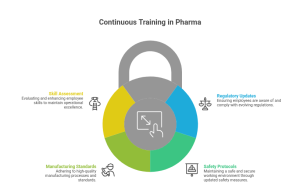
Continuous training is a core requirement in pharma. Regulations, safety protocols, and manufacturing standards evolve frequently, making it essential for employees to stay updated. An LMS helps deliver training modules, track certifications, schedule refresher programs, and assess skill levels. By ensuring the workforce is always up to date with GMP practices and regulatory requirements, the company minimizes mistakes and maintains high operational consistency.
7. Performance Management Systems
Clear performance expectations are crucial for smooth execution, especially when employees work across multiple processes and quality-sensitive tasks. Performance management software allows companies to set goals, measure progress, collect feedback, and evaluate performance more objectively. When employees understand their responsibilities and managers have visibility into their performance, it becomes easier to maintain accountability and ensure work gets done accurately and on time.
8. Employee Self-Service Portals
In pharma environments, where HR teams are often overloaded with compliance and documentation tasks, employee self-service portals help reduce unnecessary back-and-forth communication. By allowing employees to access payslips, update personal details, apply for leave, or download policies on their own, these platforms save time and minimize administrative delays. This directly supports smoother workflows and faster decision-making across the organization.
9. Compliance & Document Management Systems
Compliance documentation is one of the most critical pillars of the pharmaceutical industry. A document management system helps companies maintain organized, secure, and updated records with ease. It supports version control, audit trails, expiry notifications, digital signatures, and easy retrieval during audits or inspections. When documents are well-managed, companies avoid compliance gaps and ensure regulatory requirements are always met.
10. Internal Communication & Engagement Platforms
Execution gaps often occur due to unclear communication or delayed information sharing. Internal communication platforms help solve this by enabling quick announcements, real-time updates, and transparent conversations among teams. These tools ensure that employees receive the correct information at the right time, whether it’s a policy update, shift change, safety alert, or production-related message. Better communication results in smoother coordination and fewer misunderstandings.
11. HR Analytics & Insight Dashboards
Data-driven decision making is essential in modern pharma operations. HR analytics tools compile workforce data to identify patterns such as rising attrition, skill shortages, training gaps, or productivity concerns. With these insights, leaders can make proactive decisions instead of reacting after problems arise. Analytics dashboards help companies predict execution risks, plan their workforce better, and strengthen long-term organizational performance.
12. Succession Planning Tools
Succession planning software allows pharma companies to identify high-potential employees and prepare them for critical roles. By mapping skills, experience, and performance history, organizations can create a pipeline of capable leaders ready to step in whenever needed. This minimizes disruptions caused by sudden departures and ensures business continuity across key positions.
13. Employee Recognition & Rewards Platforms
Motivation and engagement are crucial for productivity and accountability. Employee recognition platforms allow managers to acknowledge contributions, reward performance, boost morale in real time and improve employee retention. In pharma companies, where precision and compliance matter, a motivated workforce is more likely to follow procedures correctly and meet production targets without errors.
14. Payroll & Benefits Management Software
Accurate and timely payroll is essential to prevent dissatisfaction and maintain workforce stability. Payroll and benefits management software automates salary calculations, tax deductions, reimbursements, and benefits allocation. This reduces administrative errors and frees HR to focus on strategic initiatives rather than routine calculations.
15. Talent Management Systems
Talent management software helps pharma companies monitor the skills, development, and career progression of employees. It ensures that employees are trained for current roles and prepared for future responsibilities, closing skill gaps that can lead to execution failures. This proactive approach keeps teams aligned with both operational and organizational goals.
16. Time-Off & Leave Management Systems
Tracking leave manually can lead to confusion and understaffing. Leave management systems automate leave requests, approvals, and accruals, giving managers a clear view of team availability. This prevents staffing gaps during critical production cycles and ensures workflow continuity.
17. Employee Wellness & Support Platforms
Employee health and well-being directly impact productivity and compliance. Wellness platforms offer access to mental health resources, fitness programs, and stress management tools. Healthy employees are more focused, make fewer errors, and contribute to a safer, more efficient work environment in pharma operations.
18. Mobile HR Applications
Mobile HR apps provide employees and managers access to HR tools anytime, anywhere. From checking schedules and applying for leave to completing training or receiving alerts, mobile apps increase engagement and responsiveness, particularly for field teams, remote staff, or production personnel working across shifts.
19. Collaboration & Project Management Tools
Pharma teams often work on complex projects that span multiple departments. Collaboration and project management software allows teams to coordinate tasks, track deadlines, share files, and communicate progress in real time. This reduces execution gaps caused by misalignment or delays in cross-functional coordination.
20. Gamification & Learning Engagement Platforms
Gamification adds interactive elements to training, compliance, and skill-building programs. By turning learning into a more engaging experience, employees are more likely to complete training, retain information, and apply knowledge effectively. This reduces errors and improves consistency in operational execution.

Why Do These Solutions Matter For Pharma Companies?
The pharmaceutical industry depends on accuracy, structure, and timely coordination. Even the strongest SOPs cannot deliver results if the workforce lacks the right tools to follow them consistently. HR software solutions help standardize processes, reduce administrative burden, maintain compliance, and give leaders clear visibility into workforce dynamics. With digitized and streamlined HR operations, pharma companies can focus more on innovation, quality, and growth instead of managing routine manual tasks.
In A Nutshell
Closing execution gaps requires more than good intentions, it requires systems that support efficiency, accountability, and consistent performance across the organization. By adopting the right mix of HR software solutions, pharma companies can build a stronger, more reliable workforce. These tools not only enhance day-to-day operations but also contribute to better compliance, improved productivity, and long-term organizational stability. When HR and technology work together, the entire pharmaceutical ecosystem becomes more resilient, agile, and future-ready.
FAQs
1. What Is The Role Of HR Software In Pharma Companies?
HR software helps pharma companies manage their workforce more efficiently by streamlining processes like recruitment, onboarding, training, attendance tracking, and performance management. It ensures that the right employees are trained, available, and aligned with business goals, reducing execution gaps and operational delays.
2. How Does HR Software Improve Compliance In Pharmaceutical Organizations?
Pharma companies must adhere to strict regulatory standards. HR software assists by maintaining accurate employee records, tracking training and certifications, managing SOP documentation, and providing audit-ready reports. This ensures compliance is consistently met and reduces the risk of errors during inspections.
3. Which HR Software Solutions Are Most Critical For Reducing Execution Gaps?
While all HR solutions contribute, key tools include centralized HRIS systems, learning management systems, performance management software, workforce planning tools, and document management systems. These directly impact employee productivity, accountability, and alignment with operational processes.
4. Can HR Software Help With Employee Engagement And Retention?
Yes, HR software often includes employee engagement tools, recognition and rewards platforms, wellness programs, and communication portals. By keeping employees motivated, informed, and supported, pharma companies can retain skilled staff and reduce disruptions caused by turnover.
5. How Do Analytics And Reporting Features In HR Software Benefit Pharma Companies?
Analytics dashboards provide insights into workforce trends, skill gaps, attrition, overtime, and productivity. These insights allow managers to make data-driven decisions, predict potential execution issues, and proactively address workforce challenges before they affect operations.
Reporting on the science, business and regulation shaping the pharmaceutical industry.
More in HR in Pharma
All articles →
Crisis Management: HR's Role in Business Continuity in the Pharmaceutical Industry

Top HR Strategies for Successful Pharma Mergers: People, Culture, and Integration 2025

Discussion