Modernizing Moderna: The Role Of Technology In Shaping Its HR Strategy
How tech–HR integration helps Moderna streamline hiring, boost productivity, and build a future-ready scientific workforce.

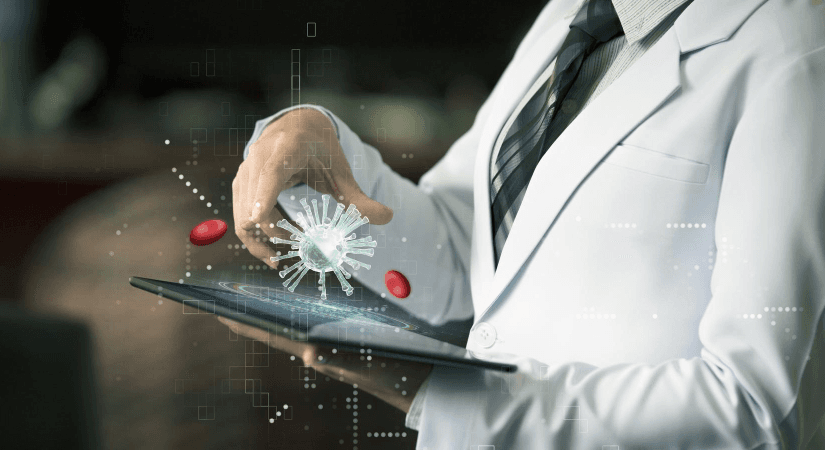
The global pharmaceutical landscape is evolving rapidly, and companies at the forefront of innovation are reshaping not only how medicines are developed but also how organizations operate internally. Moderna, widely known for pioneering mRNA technology and transforming vaccine development timelines, is also redefining the relationship between technology and human resources (HR).
Tech–HR integration at Moderna is not an administrative upgrade, it is a strategic engine that strengthens the company’s scientific mission, enhances workforce productivity, supports global expansion, and builds a culture that thrives on speed, precision, and innovation. In a company driven by cutting-edge research, automation, and data-centric workflows, the alignment of digital tools with human potential has become one of its most powerful competitive advantages.
Understanding The Purpose Of Tech–HR Integration At Moderna
Moderna’s business model depends heavily on rapid scientific discovery, agile manufacturing, and global coordination among teams. This requires a workforce that is deeply skilled, highly engaged, and supported by systems that eliminate friction. Tech–HR integration serves as the backbone of this environment by streamlining core HR functions such as recruitment, onboarding, learning, workforce planning, and employee engagement.
By embedding technology in every HR interaction, Moderna ensures that employees can focus on science, problem-solving, and innovation rather than administrative tasks. This integration also gives leadership real-time insights into workforce capabilities, allowing the company to allocate the right talent to the right project at the right time — a critical advantage in vaccine development and biotech innovation.
Digital Talent Acquisition For A High-Science Workforce
Finding the right talent is one of the biggest challenges in the pharmaceutical and biotech sectors. Moderna uses AI-driven recruitment tools to scan profiles, match skills, analyze experience patterns, and predict candidate fit with role requirements and company culture.
This drastically shortens the hiring cycle for specialized roles such as bioinformaticians, immunologists, bioprocess engineers, and computational biologists. Automated systems handle initial screening, while human recruiters focus on deeper candidate interactions.
Predictive analytics help Moderna anticipate workforce needs based on upcoming research programs and manufacturing scale-up plans. This proactive approach ensures that talent pipelines are always aligned with scientific goals, giving Moderna the agility needed to accelerate R&D timelines and adapt to emerging global health challenges.
Transforming Onboarding Through Technology
Moderna operates in a high-speed environment where new hires must quickly become productive contributors. Tech-enabled onboarding platforms standardize the process for employees across global locations. These systems include interactive modules, digital paperwork workflows, training dashboards, and role-specific learning journeys. Instead of spending weeks figuring out processes, employees receive clear, structured roadmaps supported by automation.
Integration with internal systems allows new hires to access laboratory platforms, project tools, and internal communication channels almost instantly. The result is a consistent onboarding experience where employees begin contributing to research projects, data analysis, or operational workflows much faster than traditional HR models allow.
Building A Culture Of Continuous Learning
In the pharmaceutical industry, scientific knowledge evolves rapidly, and companies must constantly upskill their workforce. Moderna invests deeply in digital learning ecosystems powered by AI and machine learning. These platforms recommend training based on job roles, skill gaps, project needs, and employee interest areas. Scientists can access modules on mRNA science, bioinformatics, regulatory updates, laboratory automation, and AI tools used in research.
Non-scientific employees also benefit from leadership training, communication skills modules, and compliance courses. The combination of self-paced learning, virtual workshops, and real-time skill analytics helps Moderna build a workforce that is always aligned with the newest scientific and technological advancements. With AI tracking skill development across the organization, Moderna gains insight into future leadership potential and areas that require targeted training investment.
Enhancing Employee Experience Through Automation And Data
A seamless employee experience is essential for maintaining morale and productivity. Moderna uses digital tools to create a smooth, connected, and employee-centric environment. Automation manages routine tasks such as leave applications, payroll processing, performance review reminders, and benefits administration. Chatbots assist with HR-related queries, reducing response times and freeing HR teams to focus on strategic initiatives.
Moderna also uses sentiment analysis tools to assess employee engagement levels across departments. These insights drive decisions about wellness programs, workload balancing, and organizational changes. By combining real-time data with human-centered HR strategies, the company creates an environment where employees feel supported, valued, and heard.
Using Analytics For Workforce Planning And Operational Efficiency
Pharmaceutical operations depend on precise workforce planning to ensure that research projects, clinical programs, and manufacturing lines are adequately staffed. Moderna uses advanced analytics to map current skills, track future needs, and predict workforce shortages. Data from HR systems integrates seamlessly with project management tools, allowing the company to plan human resources with the same rigor it applies to scientific resources.
When Moderna expands manufacturing capacity or launches a new clinical program, predictive analytics provide insights into hiring needs, training pathways, and resource reallocation. This reduces bottlenecks and ensures that skilled teams are always available to meet program timelines. The result is a workforce model that is dynamic, efficient, and capable of supporting Moderna’s rapid growth.
Strengthening Performance Management Through Digital Systems
Traditional performance review systems often rely on annual discussions that may not reflect real-time contributions. Moderna’s tech-integrated HR model uses continuous feedback tools to help managers and employees track goals, achievements, and skill development throughout the year. Digital dashboards allow employees to record milestones, share project outcomes, and align personal goals with organizational priorities.
Managers gain a clear overview of team performance, enabling better coaching, recognition, and career development. In a research-intensive environment where results evolve quickly, this system ensures transparency, agility, and meaningful feedback that supports employee growth and scientific excellence.
Digital Support For Diversity, Inclusion, And Global Collaboration
Moderna’s rapid expansion has created a multicultural, multinational workforce. Digital collaboration tools and HR platforms help unify teams across locations by providing consistent communication channels, virtual meeting spaces, and cross-functional project environments. AI-supported HR analytics track diversity progress, identify representation gaps, and help design inclusive hiring and promotion practices.
Virtual communities, digital mentorship programs, and global team-building initiatives further strengthen Moderna’s collaborative culture. As vaccine programs and R&D platforms expand globally, technology ensures that all employees regardless of geography are aligned with the company’s mission and values.
Supporting Employee Well-being Through Digital Wellness Initiatives
Pharmaceutical research can be mentally and physically demanding. Moderna’s HR tech ecosystem integrates wellness apps, mindfulness platforms, ergonomic assessments, and digital mental health services to support employees. Wearable-tech integrations monitor health parameters and encourage fitness routines.
AI tools analyze usage patterns to identify areas where employees may need additional support. This proactive approach fosters a culture where well-being is prioritized alongside scientific achievement, reducing burnout and boosting long-term productivity.
Conclusion: A Future-Ready Workforce Powered By Smart Tech–HR Synergy
Tech–HR integration at Moderna is more than an efficiency upgrade — it is a strategic pillar that supports scientific innovation, operational speed, and global scalability. By aligning digital tools with human potential, Moderna builds a workforce that is agile, skilled, and deeply supported in every aspect of their journey.
From recruitment and learning to performance management and employee experience, technology strengthens the human backbone of the organization. As pharmaceutical science becomes increasingly digital and data-driven, Moderna’s model represents the future — where people and technology collaborate seamlessly to accelerate breakthroughs and deliver life-changing vaccines and therapeutics to the world.
FAQs
1. How Does Technology Improve HR Operations At Moderna?
Technology helps automate routine HR tasks, streamline recruitment, enhance employee training, and provide real-time workforce insights. This allows HR teams to focus more on strategy and employee support rather than administrative work.
2. Why Is Tech–HR Integration Important For A Company Like Moderna?
Moderna works in a fast-paced biotech environment where speed, precision, and innovation are essential. Integrating technology with HR ensures that the right talent is hired, trained, and supported quickly—directly contributing to scientific progress and organizational growth.
3. How Does Moderna Use AI In Recruitment And Training?
AI scans resumes, predicts job fit, and helps select qualified candidates faster. For training, AI recommends personalized learning modules, tracks skill development, and helps employees stay updated on the latest scientific and operational skills.
Reporting on the science, business and regulation shaping the pharmaceutical industry.
More in HR in Pharma
All articles →
Crisis Management: HR's Role in Business Continuity in the Pharmaceutical Industry
Top HR Strategies for Successful Pharma Mergers: People, Culture, and Integration 2025
Discussion