7 Ways Rising Regulatory Pressure Is Reshaping Pharma Manufacturing Economics
How rising regulatory pressure is transforming cost structures and strategy in pharma manufacturing.


The pharmaceutical industry has always operated under tight regulatory oversight, but the past few years have seen a dramatic increase in scrutiny, especially around quality standards, environmental compliance, digital record-keeping, and patient safety. While regulations are essential for ensuring safe and effective medicines, they also have significant economic implications for pharmaceutical manufacturing.
Rising regulatory pressure is changing cost structures, operational strategies, and investment priorities, forcing companies to rethink how they produce and distribute drugs. In 2026, understanding these dynamics is essential for manufacturers to remain profitable, compliant, and competitive.
In this blog, we’ll explore seven ways increasing regulatory pressure is reshaping the economics of pharma manufacturing and what companies are doing to adapt!
1) Increased Compliance Costs
The most immediate economic impact of rising regulatory pressure is the increase in compliance-related expenses. Pharmaceutical manufacturers now spend significantly more on quality assurance, documentation, audits, and certifications. Compliance extends beyond traditional Good Manufacturing Practices (GMP) to include data integrity, cybersecurity, environmental reporting, and supply chain transparency.
Each new regulation or guideline requires updates to Standard Operating Procedures (SOPs), training programs, and record-keeping systems. These activities demand both time and capital, effectively raising the cost of producing every batch of medicine. While compliance is non-negotiable, companies that fail to allocate sufficient resources risk fines, product recalls, or even plant shutdowns.
2) Investment In Advanced Manufacturing Technologies
Rising regulatory expectations are encouraging pharma companies to invest in modern manufacturing technologies, such as continuous manufacturing, automation, and process analytical technology (PAT). While these systems involve high upfront costs, they allow companies to maintain consistent quality, improve traceability, and meet stricter standards more efficiently.
For example, automated systems reduce human error in critical steps, which is essential for meeting regulatory expectations around product safety and batch consistency. Over time, these investments may offset compliance costs by improving yield, reducing waste, and minimizing the risk of costly regulatory interventions.
3) Supply Chain Transparency & Traceability
Regulators are demanding greater visibility across the entire pharmaceutical supply chain, from raw materials to finished products. Laws like the Drug Supply Chain Security Act (DSCSA) in the U.S. and similar frameworks globally require detailed tracking, serialization, and reporting.
Implementing these measures increases operational costs, as manufacturers need new software, RFID technology, and auditing systems. While these expenses can be significant, enhanced traceability reduces the risk of counterfeit drugs, shortages, and recalls, which can be far more costly in the long run. Manufacturers are increasingly treating supply chain transparency as both a compliance requirement and a competitive advantage.
4) Environmental & Sustainability Regulations
20260216155301.svg)
Environmental regulations are rising across geographies, with increasing emphasis on waste reduction, emissions control, water usage, and sustainable sourcing. Compliance with these regulations often requires significant investment in new equipment, energy-efficient processes, waste treatment facilities, and monitoring systems.
While these initiatives increase short-term manufacturing costs, they also present opportunities for efficiency gains, energy savings, and positive brand reputation. In 2026, pharma companies that integrate sustainability into their operations are not only meeting regulatory expectations but also creating long-term economic value by reducing operational waste and appealing to environmentally conscious investors and consumers.
5) Impact On Manufacturing Flexibility & Capacity
Regulatory pressures can affect how manufacturers design and operate their production facilities. Strict requirements for segregation, contamination control, and validation often limit flexibility in plant operations. For example, facilities may need dedicated lines for specific drug categories or batch sizes, reducing the ability to switch production rapidly.
This can lead to higher unit costs and underutilized capacity. Companies are responding by investing in modular manufacturing and multiproduct facilities that balance compliance with operational efficiency. While these solutions require capital investment, they enable manufacturers to scale production in line with demand while still meeting strict regulatory expectations.
6) Increased Cost Of Labor & Specialized Talent
Compliance demands are also reshaping workforce economics. Skilled personnel in quality assurance, regulatory affairs, and process engineering are in high demand, and salaries for these roles are rising. Beyond routine manufacturing, companies need specialists to manage audits, data integrity, validation processes, and regulatory reporting.
Training programs also add recurring costs to ensure that staff remain current with evolving regulations. While the labor cost increase is significant, investing in skilled professionals is critical to avoid fines, delays, and production disruptions. Companies that fail to maintain a well-trained workforce risk costly compliance failures that far outweigh payroll investments.
7) Strategic Shift Toward Risk Management & Contingency Planning
Finally, regulatory pressure is encouraging pharmaceutical companies to adopt more proactive risk management strategies. Manufacturers are conducting comprehensive risk assessments across manufacturing processes, suppliers, and distribution networks. These assessments often result in additional investments in redundant capacity, safety stocks, and contingency planning to meet regulatory expectations for product availability and patient safety.
While this adds upfront costs, the ability to mitigate regulatory, supply chain, and operational risks protects both revenue and reputation. In 2026, companies that integrate regulatory foresight into strategic planning are better positioned to maintain profitability and avoid expensive disruptions.
How Pharma Can Navigate Regulatory Challenges Effectively?
To stay ahead of regulations and maintain compliance while controlling costs, pharmaceutical manufacturers can adopt the following strategies:
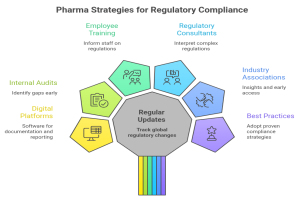
- Monitor Regulatory Updates Regularly: Establish a system to track changes in global and local regulations, guidelines, and industry standards to ensure timely adaptation.
- Invest In Digital Compliance Platforms: Use software solutions for documentation, audit trails, and reporting to reduce errors and improve transparency.
- Conduct Internal Audits Frequently: Regular internal inspections help identify gaps early, maintain quality standards, and ensure readiness for external audits.
- Prioritize Employee Training & Upskilling: Keep staff informed on current regulations, GMP practices, and emerging compliance requirements to minimize errors and risks.
- Engage With Regulatory Consultants: Collaborate with experts to interpret complex regulations, implement best practices, and anticipate regulatory changes.
- Participate In Industry Associations: Joining forums, consortia, or regulatory committees provides insights, networking opportunities, and early access to guidance on new standards.
- Benchmark Against Best Practices: Learn from industry leaders and peer companies to adopt proven strategies for compliance, efficiency, and cost control.
- Embed Compliance In Daily Operations: Make regulatory awareness part of standard operating procedures, decision-making, and strategic planning to stay proactive rather than reactive.
By following these steps, manufacturers can remain agile, minimize risks, and align their operations with both regulatory expectations and business objectives.
Final Thoughts
Rising regulatory pressure is restructuring the economics of pharmaceutical manufacturing in multiple ways. Compliance costs, investments in advanced manufacturing technologies, supply chain transparency, environmental regulations, limited operational flexibility, workforce specialization, and proactive risk management all contribute to a shift in cost structures and operational priorities. While these changes increase short-term expenses, they also drive innovation, efficiency, and long-term sustainability.
Companies that proactively adopt these requirements like investing in modern processes, technology, workforce development, and risk mitigation can turn regulatory pressure into a strategic advantage. In 2026, pharmaceutical manufacturers that successfully navigate this regulatory landscape will not only ensure compliance but also improve operational efficiency, reduce waste, enhance patient safety, and strengthen their market position.
Regulatory pressure may be challenging, but it is also an opportunity: the companies that adapt fastest will redefine manufacturing economics and achieve sustainable growth in a highly competitive industry.
Reporting on the science, business and regulation shaping the pharmaceutical industry.
More from the Knowledge Hub
All articles →
Pharmaceutical Regulatory Affairs: Challenges, Innovations, and Global Harmonization

Cold Chain Logistics in Pharma: Building Resilient Supply Chains

Discussion