From Human Inspection To Machine Vision: The Future Of AI-Powered Contamination Detection In Pharma
AI vision systems are reshaping pharma quality control by detecting contamination faster, improving consistency, and strengthening compliance.

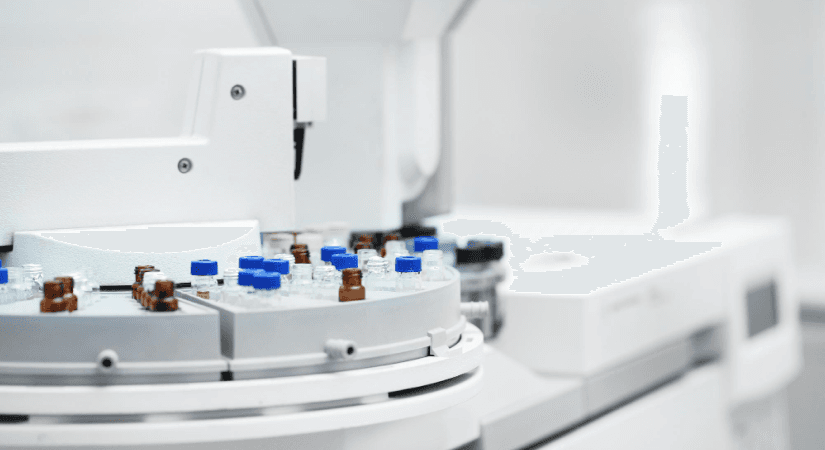
Quality control has always been the backbone of pharmaceutical manufacturing, forming the final safeguard between complex production processes and patient safety. Every tablet, vial, syringe, and biologic product must meet strict standards for purity, sterility, and consistency before it reaches the market. Traditionally, contamination detection has relied on a combination of manual visual inspection, sampling-based testing, and rule-driven automation.
While these approaches have helped the industry maintain high standards for decades, they are increasingly strained by rising production volumes, complex formulations, and tighter regulatory expectations. Today, artificial intelligence is reshaping pharmaceutical quality control by introducing advanced vision capabilities that can detect contamination with unprecedented speed and precision. AI-powered visual inspection is not just enhancing existing systems; it is redefining how quality is assured across modern pharmaceutical manufacturing.
The Traditional Challenge Of Detecting Contamination
Contamination in pharmaceutical manufacturing can arise at multiple stages and take many forms, including particulate matter, microbial contamination, cosmetic defects, and foreign materials introduced during filling, packaging, or handling. Historically, visual inspection by trained operators has played a central role in identifying these issues, especially for injectable and sterile products. However, human inspection is inherently limited by fatigue, subjectivity, and variability across shifts and individuals.
Even the most experienced inspectors can miss subtle defects after prolonged periods of repetitive work. Automated inspection systems have helped improve consistency, but traditional rule-based systems struggle with variability in product appearance, lighting conditions, and packaging formats. As product complexity and production speed increase, these limitations create gaps that can compromise quality assurance and increase the risk of recalls.
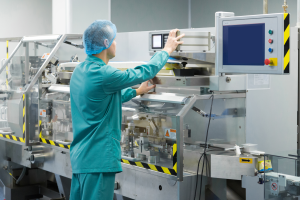
1. How AI Vision Systems Work In Quality Control
AI vision systems combine high-resolution imaging hardware with machine learning algorithms trained to recognize patterns and anomalies in visual data. Cameras capture thousands of images or video frames from production lines, which are then analyzed by AI models that have been trained on large datasets of both acceptable and defective products.
Unlike conventional automation, AI does not rely solely on predefined rules; instead, it learns from data and continuously improves its ability to distinguish between normal variation and true defects. Over time, these systems become more accurate and adaptable, capable of detecting contamination that may be invisible to the human eye or inconsistent enough to evade traditional algorithms. This learning-based approach makes AI vision systems particularly well-suited for complex and evolving manufacturing environments.
2. Improving Accuracy And Consistency In Inspection
One of the most significant advantages of AI-enabled visual inspection is its ability to deliver consistent performance across time, volume, and operating conditions. AI systems do not experience fatigue, distraction, or variability in judgment, allowing them to maintain uniform inspection standards throughout extended production runs. This consistency is especially valuable in high-throughput environments where even small error rates can translate into significant quality risks.
By detecting defects with high sensitivity and repeatability, AI helps reduce false negatives while also minimizing unnecessary product rejection caused by overly conservative thresholds. The result is a more balanced quality control process that protects patient safety without compromising manufacturing efficiency.
3. Early Detection & Real-Time Decision Making
Traditional quality control often identifies contamination after a batch has been completed, leading to costly investigations, delays, and potential product loss. AI vision systems enable real-time inspection, identifying defects and contamination as products move through the line. This allows manufacturers to intervene immediately, whether by stopping production, adjusting equipment settings, or isolating affected units.
Early detection not only reduces waste but also prevents systemic issues from escalating into large-scale quality failures. Real-time decision-making supported by AI transforms quality control from a reactive checkpoint into an active, continuous monitoring function embedded within the manufacturing process.
4. Enhancing Compliance And Audit Readiness
Regulatory authorities expect pharmaceutical companies to demonstrate robust, validated, and reproducible quality control processes. AI vision systems support these expectations by generating detailed digital records of inspection activities, including images, timestamps, classification decisions, and trend analyses. These data trails enhance traceability and provide objective evidence of consistent quality oversight.
During audits and inspections, manufacturers can use this documentation to demonstrate process control, investigation rigor, and continuous improvement efforts. By standardizing inspection outcomes and reducing reliance on subjective judgment, AI strengthens regulatory confidence and supports a more transparent quality management system.
5. Reducing Human Burden While Elevating Expertise
AI-driven inspection does not eliminate the need for human expertise; instead, it reshapes how quality professionals contribute value. By automating repetitive and visually demanding inspection tasks, AI reduces physical and cognitive strain on operators. This allows quality teams to focus on higher-level activities such as trend analysis, root cause investigations, process optimization, and risk management.
Human inspectors remain essential for oversight, decision validation, and handling complex or ambiguous cases. The collaboration between AI systems and skilled professionals creates a more resilient quality function that combines computational precision with human judgment.
6. Supporting Continuous Improvement Through Data Insights
Beyond defect detection, AI vision systems generate large volumes of structured data that can be analyzed to uncover patterns and trends across production runs. These insights help manufacturers identify recurring defects, equipment wear issues, or process deviations that may not be apparent through manual review.
Over time, this data-driven understanding enables proactive maintenance, process refinement, and quality-by-design initiatives. AI systems can also be retrained as new products or packaging formats are introduced, ensuring that quality control evolves alongside manufacturing innovation. This continuous learning capability transforms quality control into a strategic driver of operational excellence.
7. Addressing Challenges In AI Adoption
Despite its promise, implementing AI vision systems in pharmaceutical quality control requires careful planning and execution. High-quality training data is essential to ensure reliable performance, and AI models must be validated according to regulatory expectations. Transparency and explainability are also important, as quality teams and regulators need to understand how decisions are made.
Integration with existing manufacturing execution systems and quality management platforms can present technical challenges. In addition, workforce training and change management are critical to building trust and adoption among operators and quality professionals. Addressing these challenges thoughtfully ensures that AI enhances quality outcomes without introducing new risks.
8. Aligning AI Vision Systems With Quality Culture
Technology alone cannot guarantee quality; it must be supported by a strong organizational quality culture. AI vision systems are most effective when integrated into a broader framework of accountability, continuous improvement, and patient-centric values. Leadership commitment to quality, clear governance structures, and open communication are essential for maximizing the benefits of AI adoption. When quality teams view AI as a partner rather than a threat, organizations are better positioned to realize its full potential. This alignment ensures that technology reinforces, rather than replaces, the core principles of pharmaceutical quality.
9. The Future Of Visual Quality Control In Pharma
As AI technology continues to advance, visual inspection systems will become even more capable and autonomous. Future developments may include predictive contamination detection based on early visual signals, integration with digital twins to simulate quality outcomes, and closed-loop systems that automatically adjust processes in response to detected risks.
Advances in edge computing and sensor technology will further enhance speed and accuracy at the production line level. These innovations point toward a future where quality control is deeply embedded within intelligent manufacturing ecosystems, enabling faster, safer, and more reliable drug production.
Conclusion: A New Vision For Quality Excellence
AI’s ability to “see” contamination marks a transformative moment for pharmaceutical quality control. By combining advanced computer vision with machine learning, manufacturers can achieve higher accuracy, earlier detection, and stronger regulatory compliance than ever before. This vision upgrade not only enhances patient safety but also improves operational efficiency and resilience in an increasingly complex manufacturing landscape.
As the pharma industry continues its digital transformation, AI-powered quality control will play a central role in redefining how quality is assured. For organizations willing to invest in data, governance, and cultural alignment, AI offers a powerful new lens through which quality excellence can be achieved and sustained.
FAQs
1) Why Is Traditional Contamination Detection No Longer Sufficient In Pharmaceutical Manufacturing?
Traditional methods such as manual visual inspection and rule-based automation are limited by human fatigue, subjectivity, and difficulty handling product variability. As pharmaceutical manufacturing becomes more complex and production volumes increase, these approaches struggle to consistently detect subtle or evolving contamination risks, increasing the potential for quality gaps and recalls.
2) How Does AI-Powered Machine Vision Improve Contamination Detection?
AI-powered machine vision uses high-resolution cameras and machine learning algorithms to analyze products in real time. Unlike traditional systems, AI learns from large datasets of acceptable and defective products, allowing it to detect anomalies with greater accuracy and consistency. This enables faster identification of contamination, reduces false rejections, and supports early intervention during production.
3) Does AI Replace Human Inspectors In Pharmaceutical Quality Control?
No, AI does not replace human inspectors but enhances their role. By automating repetitive inspection tasks, AI reduces physical and mental strain on operators and allows quality professionals to focus on higher-value activities such as investigations, trend analysis, and process improvement. Human expertise remains essential for oversight, decision-making, and regulatory accountability.
Reporting on the science, business and regulation shaping the pharmaceutical industry.
More from the Knowledge Hub
All articles →
Pharmaceutical Regulatory Affairs: Challenges, Innovations, and Global Harmonization

Cold Chain Logistics in Pharma: Building Resilient Supply Chains

Discussion