How Anti-CD8 Alpha Antibody Helps in Determining Failure of a Treatment
Discover how anti-CD8 Alpha antibody helps researchers track T-cell response in immunotherapy and cancer diagnostics.

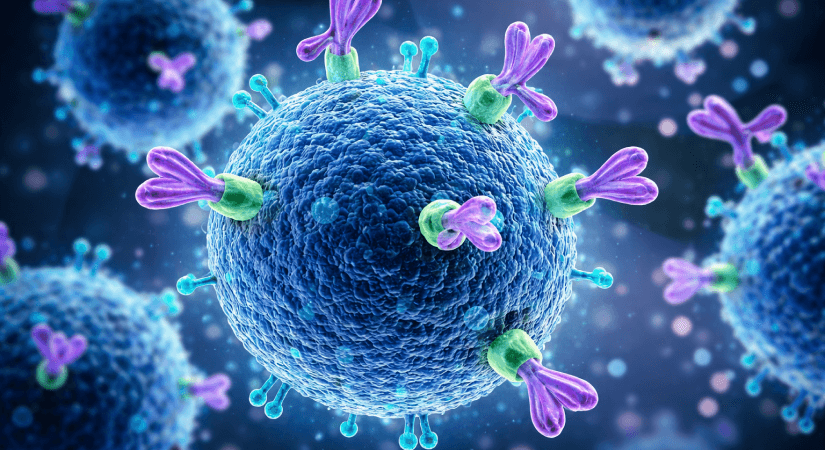
In the high-stakes world of immunotherapy and clinical research, treatments do not always work as intended, and understanding why a therapy has failed is just as important as knowing why it succeeded. To get these answers, researchers must look at the cellular level to see if the body’s "soldier" cells are actually showing up for the fight.
To ensure that researchers can accurately track these elite immune cells, they use a specialized laboratory tool known as the anti-CD8 ALPHA antibody. This molecule acts as a highly specific tracking device that allows scientists to see exactly how many killer cells are active in a patient’s system during and after a treatment cycle.
However, there’s much more to this antibody and how it functions in a diagnostic setting.
Case Study: Tracking Melanoma Immunotherapy
As for the practical application, researchers use the anti-CD8 Alpha antibody to determine the effectiveness of Checkpoint Inhibitor therapies by analyzing biopsy samples and blood work. During research, scientists use the antibody to visualize whether "Killer" T-cells are successfully infiltrating the tumor site.
Here’s a case study to understand it better:
Methodology
The research process involves a multi-modal analysis of patient samples:
- Sample Collection: Researchers collect both tissue biopsy samples and blood work from patients undergoing treatment.
- Molecular Identification: Utilizing specific clones like KT15, researchers navigate the crowded environment of a blood sample. This clone attaches only to the target of interest, providing a level of molecular precision that general stains simply cannot match.
- Visualization: Scientists use the antibody to visualize whether "Killer" T-cells are successfully infiltrating the tumor site or if they remain inactive.
Results and Observations (Success and Failure)
- Infiltrated (Success): Evidence of CD8 Alpha markers within the tumor indicates the body is reacting by sending the soldier cells to the targeted area.
- "Cold" Environment (Failure): Failure of the study is determined by the absence or soldier cells getting stuck at the periphery, unable to engage the cancer.
Current Scenario
Currently, this application is a cornerstone of modern diagnostic monitoring. Researchers use two primary methods to apply this technology:
- Flow Cytometry: When the anti-CD8 ALPHA antibody is tagged with a fluorescent dye and added to a blood sample, it acts as a glowing beacon for laser-based sensors. This allows for the counting of individual cells to see if they are physically present at the site of a disease.
- ELISA (Enzyme-Linked Immunosorbent Assay): This method measures the "bulk" amount of protein. The antibody captures soluble versions of the protein that may have broken off from cells, acting like a chemical census. A drop in the concentration over several weeks of treatment indicates that the killer cell population is shrinking.
The success rate of using these monitoring techniques is high, as they provide near-instantaneous feedback on whether a patient's immune system is responding to expensive and intensive immunotherapy cycles. The ELISA technique is particularly sensitive when looking for "soluble" CD8, which can leak into the bloodstream when immune cells are being destroyed—a detail impossible to detect by looking at whole cells alone.
Future Scope
The future outlook for anti-CD8 Alpha technology involves the transition from "static" lab samples to "live" imaging. Researchers are looking into developing PET-scan compatible anti-CD8 antibodies that would allow doctors to track the movement of immune cells throughout a patient's entire body in real-time. This would eliminate the need for invasive biopsies and provide a continuous stream of data regarding treatment efficacy or failure.
Conclusion
The anti-CD8 Alpha antibody serves as an indispensable diagnostic compass in the complex landscape of immunotherapy. By providing a precise way to identify and count "Killer" T-cells through tools like the KT15 clone, flow cytometry, and ELISA, it allows researchers to move beyond guesswork. Whether by identifying the structural proteins on the cell surface or measuring soluble proteins in the blood, this technology ensures that when a treatment fails, scientists have the data necessary to understand why, ultimately leading to more personalized and effective patient care.
Reporting on the science, business and regulation shaping the pharmaceutical industry.
More from the Knowledge Hub
All articles →
Pharmaceutical Regulatory Affairs: Challenges, Innovations, and Global Harmonization

Cold Chain Logistics in Pharma: Building Resilient Supply Chains
Discussion