The Microbiome Revolution: Why Gut Microbes Are Shaping the Future of Medicine
See how gut microbes are reshaping drug discovery, precision medicine, and the future of healthcare.

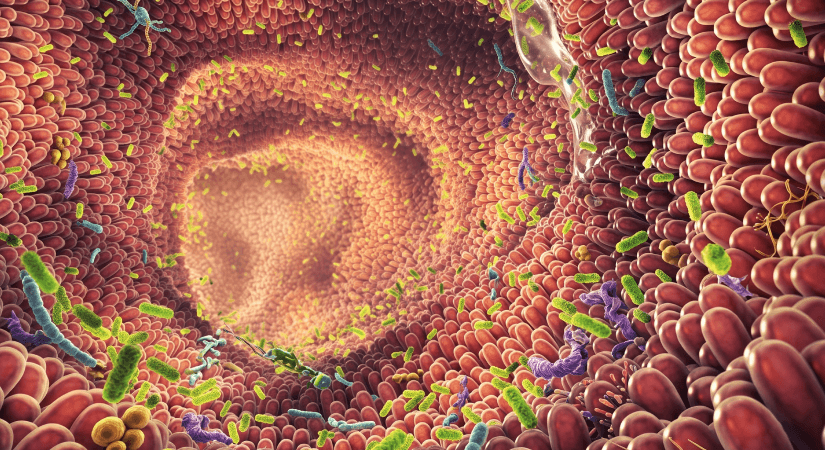
Twenty years ago, pharma had its genomics moment. Some companies leaned in early, built pipelines around genetic insights and set new standards. Others hesitated, dismissed it as hype and spent the next decade buying their way back in. We’re at that kind of inflection point again. Only this time, it isn’t the genome. It’s the microbiome.
The human microbiome or trillions of microbes living in and on us is no longer a curiosity. It’s a second operating system (OS) that runs in parallel with human biology. These microbes regulate digestion, immunity, metabolism or even how patients respond to drugs.
This science is no longer fringe. It’s clinical. It’s regulated. The FDA has now approved two microbiome therapies: VOWST™ (Seres/Nestlé) and REBYOTA® (Rebiotix/Ferring). In Australia, the TGA approved BIOMICTRA®, a standardised FMT product. In Europe, EUTEGRA (MBK-01) became the first fecal microbiota–based biological therapy authorized in Spain under the European SoHO Regulation as an alternative to standard antibiotic-based treatment for C. difficile infection, and Xevyteg™ (MaaT013) is currently under EMA review for graft-versus-host disease. These aren’t just outliers, they are signals that regulatory momentum is building.
You don’t have to wait for an entirely new drug class to see value. The microbiome is a layer you can add now to understand trial variability, predict adverse effects, discover new biomarkers and extend the efficacy and lifespan of current assets. In many cases, it can turn a marginal product into a market differentiator.
Understanding the basics – The “software” inside us
At its core, the microbiome is simple: it’s the collective genetic material of the microbes (bacteria, viruses, fungi and archaea) that live in and on the human body. Together, they form distinct ecosystems:
- Gut microbiome: The largest and most studied, sourced naturally from the colon. New ingestible devices now enable sampling from the small intestine, an area once out of reach.
- Skin microbiome: Acts as a barrier and immune trainer.
- Oral microbiome: Key to digestion and oral health, but also linked to systemic conditions.
- Lung microbiome: Once thought sterile, now shown to shape respiratory immunity.
- Vaginal microbiome: Critical for reproductive health and infection defence.

The scale is staggering. We carry as many microbial cells as human ones. But their collective gene count outnumbers ours roughly 100 to 1. These microbes are certainly not passengers. They’re co-pilots, bringing functions the human genome can’t deliver on its own.
Microbes have been found to:
- Convert dietary fibre into short-chain fatty acids that regulate energy and metabolism.
- Train the immune system to tolerate harmless inputs and attack threats.
- Produce neurotransmitters like serotonin and GABA, wiring the gut–brain axis.
- Detoxify chemicals and defend against pathogens.
Think of the microbes as software running on the body’s hardware, a code that can be corrupted (by antibiotics, poor diet, stress) but also patched, reset and even upgraded.
And it’s not just about this new code. Your existing drugs already run on this microbial layer. A new field, named pharmacomicrobiomics, is emerging to study how the microbiome affects drug absorption, metabolism, efficacy and safety. This lens doesn’t just reduce trial noise; it also unlocks repurposing potential. Drugs that failed in broad populations may show value in microbiome-defined subgroups.
3. Evolution of the microbiome concept – From germs to partners
For most of modern medicine, microbes were enemies. Germ theory proved they cause disease. The antibiotic era locked in the “kill them all” mindset.
But history left a clue. Over 2,000 years ago, Hippocrates said, “All disease begins in the gut.” For centuries, it was dismissed as intuition. Today, science is catching up.
Three breakthroughs flipped the narrative:
- Human Microbiome Project (2007–2016): Mapped microbial diversity across the body, including sites once thought sterile.
- Metagenomics: Unlocked the vast majority of microbes by sequencing without culture to reveal new species and new functions.
- CRISPR and microbial engineering: Borrowed from the microbes themselves, these tools let us not just observe, but program microbial behaviour.

These advances made something clear: humans and microbes aren’t separate. Together, we form a holobiont or a single, integrated biological system. Our immune system, metabolism and even brain evolved in constant partnership with microbes. What we call “human biology” is really human–microbial biology.
This reframes everything. Microbes are no longer threats. They’re ecosystem partners and ones we can now measure, model and manage.
4. The microbiome and human health: from correlation to proof
The evidence is no longer speculative. In many areas, it’s causal and, in some cases, already clinical.
Here is the summary of the correlation between the microbiome and various health domains:
Domain | Key Insight |
Immune Health | Dysbiosis contributes to IBD and MS; restoring microbial balance can reduce inflammation where biologics plateau. |
Metabolic Health | Microbiota transfer from obese individuals to lean mice induces weight gain; microbes regulate insulin sensitivity and lipid metabolism. |
Mental Health | Gut microbes produce neurotransmitters; germ-free mice show exaggerated stress responses and altered brain development. |
Oncology | Microbiome diversity predicts immunotherapy response; PD-1 inhibitor efficacy improves when gut ecosystem is intact. |
Case Study: FMT, the factory reset
Recurrent C. difficile infections often relapsed after antibiotics. Faecal Microbiota Transplant (FMT) changed the paradigm. By restoring a full microbial ecosystem from a healthy donor, FMT achieved cure rates above 80%. What seemed like an untreatable cycle became a resettable system.
Case Study: Seres VOWST™. A living code in a capsule
In 2023, Seres won FDA approval for VOWST™, the first oral microbial-derived therapy. Manufactured to pharma standards and prescribed like any other drug, it proved microbial therapies can be standardised, scaled and regulated. The “bugs as drugs” era is no longer theoretical. It’s here.
5. Microbiome as a therapeutic frontier. A lens for what we already do
The microbiome has already delivered its first drug approvals. But this is just the starting line. The therapeutic frontier is expanding fast.
Next-gen microbiome therapies include are:

At the foundation sits FMT. Unlike single strains or engineered blends, FMT transfers an entire ecosystem. It’s a factory reset of the gut’s operating system. Not just one app, but the full software suite. What began as a “last-resort” procedure is now a GMP-compliant platform, with pooled donors, standardised processes and oral formulations.
The shift from theory to therapy is already visible in the pipeline. Clinical trials are no longer exploratory, they’re diverse, expanding and increasingly strategic.
Clinical trials: Volume, velocity and strategic depth
Clinical activity in the microbiome space is no longer exploratory. It’s expanding rapidly across multiple therapeutic areas, with increasing regulatory engagement and pipeline maturity.
Over 500 trials globally are now exploring microbiome-based interventions, spanning:
- Gastrointestinal disease (e.g., IBD, C. difficile, IBS)
- Oncology (especially immunotherapy response enhancement)
- Infectious disease, including antibiotic-resistant infections and viral modulation
- Metabolic and neuropsychiatric disorders, from obesity to depression
Here is the summary of notable Programs:
Company / Program | Lead Candidate | Indication / Focus Area | Key Details |
Microbiotica | MB097 | Melanoma (adjunct to ICI) | Running the MELODY-1 trial evaluating a defined bacterial consortium to enhance response to immune checkpoint inhibitors. |
Microba | MAP-315 | IBD / Immuno-autoimmune | Phase I trial underway in IBD; lead candidate MAP-315 is the first to enter human trials among their microbiome-based programs. |
Locus Biosciences | LBP-EC01 | Drug-resistant infections | Developing CRISPR-Cas3–enhanced bacteriophage therapies; LBP-EC01 has advanced to Phase 2 (ELIMINATE trial). |
This breadth signals something important: the microbiome is becoming a platform modality, not a niche experiment.
What it all means for pharma:
- The microbiome is weaving its way into high-stakes therapeutic areas such as oncology, autoimmunity, infectious disease and not just GI.
- These trials will shape endpoints, biomarkers, safety standards and regulatory precedents.
- Companies entering now can influence trial design, build microbiome-enabled data assets and claim strategic positions before later entrants flood in.
But here’s the bigger play: The microbiome isn’t just a new drug class. It’s a new strategic lens.
You can:
- Use it as a biomarker axis to stratify patients in trials.
- Pair it with existing drugs to reduce side effects or protect against microbial damage.
- Combine it with legacy assets to extend lifecycle and find new value.
Yes, investing in new microbial therapies is a long-term play. But embedding the microbiome today into R&D, trial design and commercial strategy can deliver near-term returns and position you to lead in the shift toward programmable living medicines.
6. The microbiome is now a business arena, not just biology
What began as a scientific curiosity is now a commercial battleground. Pharma, biotech and digital health players are building microbiome positions through acquisitions, partnerships and platform plays thus signalling that this is no longer just an R&D bet, but a market reality.
Deal flow tells the story
- Ferring acquired Rebiotix, securing REBYOTA® the first FDA-approved FMT-derived product. This move gave Ferring immediate entry into the regulated microbiome space with a first-mover asset and validated manufacturing platform.
- GSK struck a $224M deal with Eligo Bioscience, betting on engineered skin microbes to treat inflammatory conditions like acne and eczema. This marked one of the first major pharma investments in non-gut microbiome therapeutics and expanded the playing field.
- Vedanta Biosciences partnered with BMS in immuno-oncology, embedding microbiome modulation into one of pharma’s most competitive pipelines. The goal: enhance checkpoint inhibitor efficacy using defined microbial consortia.
- Finch Therapeutics and Takeda collaborated on IBD, reflecting pharma’s willingness to test and learn, even in high-risk, high-uncertainty areas. Though the partnership was later scaled back, it provided early clinical and operational insights.
- Nestlé Health Science and Seres co-commercialised VOWST™, proving that pharma-grade microbial therapeutics can be not only approved, but manufactured, distributed and marketed at scale and with payer engagement and regulatory alignment.
These are not one-off experiments. They represent a maturing category with defined
value chains, strategic bets and multi-modal potential.
Beyond therapeutics: platforms, diagnostics and data
The microbiome business will not be limited to live biotherapeutics. It will also spawn:
- Microbiome-based diagnostics that identify risk signatures for diseases like IBD, metabolic syndrome and cancer, potentially enabling earlier, less invasive intervention.
- Data platforms that integrate microbiome sequencing with clinical, lifestyle and pharmacological data to form the backbone for biomarker discovery, trial design and personalisation.
- Companion tools that track patient microbiome response during therapy, flag risk of relapse, or predict tolerance to specific drugs including antibiotics and immunotherapies.
As sequencing costs drop and data volume grows, new business models are emerging from microbiome-informed prescribing algorithms to AI-powered discovery engines. Investors are starting to treat microbiome data as an asset class.
Strategic implication
The companies that win in this space won’t just sell microbiome drugs. They’ll build end-to-end ecosystems: diagnostics, therapeutics, delivery systems and data feedback loops, all embedded across the care continuum.
The message is clear: this is no longer a side bet. The microbiome is a full-stack opportunity.
7. Regulatory and policy perspectives
Regulation remains one of the biggest bottlenecks in the microbiome field. These are living therapies and not small molecules or biologics. They evolve, interact with hosts in complex ways and challenge traditional quality-control systems.
Manufacturers must prove more than purity and stability. They must show reproducibility of complex, often unpredictable, microbial communities.
Regulatory landscape. Fragmented but moving:
- FDA (U.S.): Created a category for Live Biotherapeutic Products (LBPs). VOWST™ and REBYOTA® set early precedents. Guidance remains case-by-case, with strict focus on donor screening, GMP standards and traceability.
- EMA (Europe): More fragmented. Some products fall under Advanced Therapy Medicinal Product (ATMP) rules. Full harmonisation is lacking. Approved EUTEGRA (MBK-01) as an alternative to standard antibiotic-based treatment for C. difficile infection. Xevyteg™ (MaaT Pharma) under review.
- TGA (Australia): More flexible. Approved BIOMICTRA® as a standardised FMT product, signalling speed and openness.
- PMDA (Japan): Early-stage. Adapting biologics frameworks as local trials scale.
- CDSCO (India): Nascent, but interest in FMT and gut health is growing.
Game-changer ahead: Europe’s SoHO regulation (2027)
Starting in 2027, the EU will implement the Substances of Human Origin (SoHO) regulation to cover donor-derived microbiota for the first time. This will impose:
- EU-wide standards for donor sourcing, processing and storage
- Full traceability
- Tighter controls on cross-border transfers
This shifts Europe from patchwork oversight to a unified regulatory framework is a major shift for microbiome players operating in or expanding into the EU.
Policy flashpoints:
- IP and patents: Naturally occurring strains are difficult to protect. Companies are focusing on formulations, engineered strains and manufacturing methods. Disputes such as Finch vs. Ferring show how contested this space will be.
- Data privacy: Microbiome data can reveal health status, disease risk, lifestyle, even geographic origin. Who owns that data? The patient, the platform or the provider? Ethical frameworks haven’t caught up with the tech yet.
8. Technology and innovation drivers
The rise of the microbiome isn’t just a triumph of biology. It’s actually powered by a convergence of technologies that are transforming how we see, model and manipulate microbial ecosystems.
AI + bioinformatics: making the invisible visible
Massive volumes of sequencing data are meaningless without interpretation. AI and machine learning are now unlocking microbial intelligence at scale, finding patterns, predicting function and linking microbial signatures to disease.
- Taxonomic classification is now automated, accelerating microbial identification down to the strain level.
- Predictive modelling connects microbiome profiles to drug response, adverse events disease risk, enabling trial enrichment and patient stratification.
- Functional annotation helps go beyond “who’s there” to “what are they doing,” revealing microbial metabolites, signalling pathways and potential targets.
AI is not just accelerating discovery. It’s turning microbiome data into a drug development tool.
Multi-omics integration: Beyond DNA
- Sequencing alone doesn’t tell the whole story. Microbiome science is now embracing multi-omics combining data from:
- Metabolomics: Measures microbial outputs such as small molecules that drive host-microbe interactions, from SCFAs to bile acids.
- Proteomics: Maps microbial enzymes and structural proteins involved in digestion, immunity and pathogenesis.
- Transcriptomics: Reveals real-time microbial activity and not just genetic potential, but actual behaviour under different conditions.
These layers create a 360° view of microbial function that are essential for selecting strains, building defined consortia and understanding therapeutic mechanisms.
CRISPR and synthetic biology: Programming microbes like software
CRISPR and other gene-editing tools are allowing scientists to engineer microbes with precision and inserting functions, silencing harmful traits, or reprogramming responses.
- Microbes can now be designed to deliver payloads (e.g., enzymes, cytokines) at disease sites.
- Kill switches and containment systems improve safety and regulatory confidence.
- Engineered strains can be made more stable, scalable and trackable, all essential for pharma-grade live biotherapeutics.
What began as basic discovery is evolving into programmable biology where microbes are the chassis for therapeutic design.
Digital twins of the gut: The future of simulation
Just as oncology is embracing digital twins for tumour modelling, microbiome science is developing gut digital twins or simulated versions of a patient’s microbiome ecosystem.
These tools allow researchers to:
- Predict drug-microbiome interactions without exposing patients to risk.
- Simulate interventions, such as antibiotics, probiotics, or dietary changes.
- Test combination therapies in silico before investing in wet-lab trials.
In the near future, pharma companies could model how a new drug will perform across diverse microbiomes thus accelerating development while reducing late-stage failure.
9. Challenges and ethical considerations
The microbiome opens powerful new frontiers but also raises scientific, operational and ethical questions that pharma leaders must navigate carefully. Unlike traditional drugs, microbiome-based therapies are living, variable and deeply personal and that changes the rules.
Scientific and clinical challenges
- Inter-individual variability
- No two microbiomes are alike. Geography, diet, age, medication history and genetics all shape microbial profiles. What works for one population may not translate elsewhere thus complicating trial design, standardisation and generalisability.
- Unintended consequences
- Microbial therapies can evolve in vivo, interact unpredictably with host systems, or exchange genes through horizontal transfer. This creates risk profiles that are harder to model with conventional safety frameworks.
- Placebo complexity
- Because the microbiome is dynamic and responsive to the environment, establishing clean baselines and placebo arms in trials can be challenging. Even small changes in diet, stress, or concurrent meds may affect results.
Manufacturing and quality control
- Reproducibility of live products
- Ensuring batch-to-batch consistency in microbial consortia is far more complex than with small molecules or biologics. Viability, composition and functional output must be maintained and measured, across production cycles.
- Donor dependency
- For FMT and donor-derived therapies, sourcing remains a vulnerability. Donor health, screening and diversity impact product quality and reproducibility. As scale increases, ethical and logistical pressures on donor pools will grow.
Regulatory and ethical tensions
- Data ownership and privacy
- Microbiome data is highly personal. It can reflect not only disease risk but lifestyle, geography and even ancestry. Who owns that data? The patient, the provider, the platform? Regulatory frameworks lag behind, especially in cross-border contexts.
- Equity and access
- Microbiome profiles and microbiome-informed therapies may vary by population. If access to microbial diagnostics or treatments is limited by geography or socioeconomic status, this could widen health disparities.
- IP and innovation bottlenecks
- Naturally occurring microbes are difficult to patent. As companies shift toward engineered strains, formulations and manufacturing processes, IP battles are already heating up. The Finch vs. Ferring dispute is an early sign of how contentious this space may become.
- Environmental impact
- Large-scale cultivation of microbes, use of animal models and waste from manufacturing could raise sustainability concerns particularly for companies scaling donor-based or live-consortium products.
Bottom line
Pharma has seen this before with cell therapy, gene editing and RNA. The microbiome brings similar promise, but also a need for new frameworks, new guardrails and cross-disciplinary governance. Success will come not just from innovation, but from anticipating the ethical, logistical and scientific complexities that come with turning living ecosystems into medicines.
10. Global impact: Pharma, healthcare and beyond
The microbiome is not a niche play. It is reshaping foundational assumptions across healthcare, pharma, public health and even agriculture. Its influence is local and global, clinical and ecological and it’s accelerating.
Healthcare: A fourth pillar of health
Medicine has long focused on genetics, lifestyle and environment as the three pillars of health. The microbiome is rapidly becoming the fourth, an internal ecosystem that links the others and adds an entirely new axis of variability and control.
- Diagnostics: Microbial signatures are being used to flag early-stage disease, assess treatment readiness and monitor relapse.
- Preventive medicine: Microbiome risk profiling is enabling proactive interventions for conditions like type 2 diabetes, inflammatory disorders and even depression.
- Chronic disease management: From IBD to metabolic syndrome, modulating the microbiome is offering a new lever for long-term control and in some cases, with fewer side effects than conventional drugs.
As this fourth pillar solidifies, the standard of care will evolve. Patients will expect microbiome-aware treatment. Providers will demand tools that incorporate microbial data into decision-making.
Pharma: new pipelines, better portfolios
For the pharmaceutical industry, the microbiome represents three strategic advantages:
- New drug classes: Engineered microbes, phage therapies and microbial consortia expand the therapeutic toolbox.
- Adjunct therapies: Microbiome modulators can boost response rates, reduce toxicity and turn stalled drugs into viable assets.
- Reduced attrition: Patient stratification using microbial biomarkers helps avoid costly trial failures due to unrecognised heterogeneity.
Microbiome intelligence isn’t just for new drugs. It can increase the asset velocity of existing portfolios by enabling smarter trial design, companion diagnostics and more responsive lifecycle management.
One health: agriculture, environment and public health
The microbiome’s influence extends beyond humans. One Health, the framework that links human, animal and environmental health, is now inseparable from microbial thinking.
- Soil and plant microbiomes are critical to sustainable agriculture, crop resilience and food safety.
- Livestock microbiomes affect productivity, antibiotic resistance and zoonotic risk.
- Environmental microbiomes, from wastewater to oceans, impact everything from climate feedback loops to the spread of antimicrobial resistance genes.
Understanding and managing microbial ecosystems at all levels will be essential for global health security and environmental resilience.
India’s emerging hubs
India's microbiome research scene is gaining momentum, driven by a mix of academic curiosity, emerging private labs and a few strategic national projects.
Beyond foundational genomics, scientists are increasingly exploring microbial signatures in human health and disease. Population-level studies of gut microbes show distinct compositional patterns across Indian cohorts, strongly shaped by diet and geography.
Government-linked research centres, such as the Centre for Microbial Research at Translational Health Science and Technology Institute (THSTI), are investigating the functions of the human microbiome and its links to conditions such as liver disease and sepsis, while also focusing on antimicrobial resistance, a major health priority. THSTI faculty are involved in metagenomics and microbial genome engineering, blending basic science with more translational objectives.
On the private side, companies like Leucine Rich Bio are developing products and analytical platforms for microbiome profiling and testing, and organising community events such as the World of Microbiome series to bridge science and application. Similarly, Microbiome Research Pvt. Ltd. operates an in-house sequencing facility offering gut microbiome testing and dietary guidance in India.
Other startups, including Xome Life Sciences, are pushing microbiome and genomics research toward more practical and point-of-care use cases, for example, in celiac disease and oral health, reflecting a clear entrepreneurial push towards actionable microbiome tools.
In December 2025, researchers from the Indian Institute of Technology Delhi (IIT Delhi) announced the development of a swallowable microdevice capable of sampling microbial communities directly from the small intestine, addressing a long-standing blind spot in gut microbiome research. The capsule-sized device remains sealed throughout the stomach and opens only once it reaches the small intestine, where it autonomously collects bacteria and other biomarkers before naturally exiting the body, offering a minimally invasive alternative to endoscopy or indirect stool-based profiling.
Early tests have shown the potential for species-level microbiome analysis deeper within the gastrointestinal tract than is typically possible, which could open new avenues for translating microbiome science into clinical insights.
At the national project level, India’s Indian Human Microbiome Initiative (IHMI) has generated one of the largest baseline datasets of healthy individuals in the country, profiling close to 3,900 participants from geographically and culturally distinct communities to map the gut microbial landscape. This groundwork creates an important reference resource for future research into population-specific microbiome variation and its links to health outcomes, including the development of more locally relevant personalised approaches.
More peripherally for a pharma audience, initiatives such as the Indian Soil Microbiome Project are also large-scale reference datasets on environmental and agricultural microbiomes. This signals a broader, systems-level investment in microbial science in India, beyond human health alone.
Together, these strands show India moving beyond isolated studies toward a more connected microbiome ecosystem, where public research, private innovation and population-scale data generation increasingly intersect.
This foundation is still relatively early compared to Western investments, but it is already producing grounded data and capabilities that can support region-specific health (and agricultural) strategies, especially in contexts where global reference datasets remain limited.
11. Future outlook: The microbiome as the OS of medicine
The next evolution of medicine won’t just be digital. It will also be microbial. The microbiome is emerging not just as a therapeutic target, but as a programmable operating system (OS) layered on top of human biology.
The vision: a microbiome passport for every patient
Imagine a future where every individual has a Microbiome Passport; a dynamic, longitudinal profile that tracks the state of their gut, skin, oral and vaginal microbiomes. This profile becomes part of the core medical record, alongside genomics, blood panels and imaging.
It will inform:
- Drug selection and dosing: Choose therapies based on microbial compatibility.
- Preventive strategies: Intervene early when microbial signals predict flare-ups, resistance, or decline.
- Risk profiling: Use microbial markers to flag susceptibility to metabolic, inflammatory, or neuropsychiatric conditions before symptoms appear.
Microbiome as a platform: reprogrammable health
The microbiome offers something genomics can’t: it’s modifiable. You can’t rewire a person’s DNA easily. But their microbial OS? You can patch it, reboot it and in some cases, upgrade it.
What this enables:
- Living therapeutics that adapt and persist, providing ongoing benefits long after dosing.
- Combination therapies where drugs and microbes are co-developed, increasing precision and reducing off-target effects.
- Dynamic care pathways, where patients’ microbial responses inform next steps and turning one-size-fits-all into real-time personalisation.
Pharma’s opportunity and obligation
The companies that lead this shift won’t just launch new drugs, they’ll own the interfaces. Microbiome platforms will underpin how we monitor health, target disease and even develop digital tools like gut simulations or microbial digital twins.
This is the next logic layer in precision medicine. The OS upgrade is not theoretical. It’s already underway and found in FDA-approved capsules, CRISPR-edited microbes and real-time stool analytics. The only question is who integrates it first and best.
12. Conclusion
The microbiome is no longer a frontier. It’s infrastructure.
From live biotherapeutics to predictive diagnostics, from trial design to drug rescue, it’s redefining how we understand the human body and how we intervene in disease. The companies that act now will shape the standards, own the data and lead the pipelines of tomorrow.
For pharma executives, the microbiome isn’t just another tool in the kit. It’s the next layer of control and those who master it will define the future of medicine.
Reporting on the science, business and regulation shaping the pharmaceutical industry.
More from the Knowledge Hub
All articles →
Pharmaceutical Regulatory Affairs: Challenges, Innovations, and Global Harmonization

Cold Chain Logistics in Pharma: Building Resilient Supply Chains
Discussion