How to Minimize Patent Rejection Setbacks with Access to Comprehensive Information
Patent rejections are costly and common, here's how proactive prior art searches and expert IP guidance help companies file stronger, faster.
Introduction
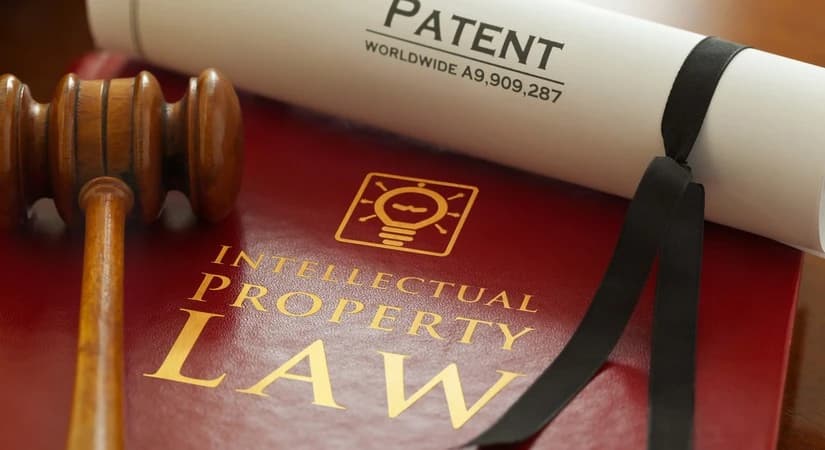
Patent rejections are a common part of securing IP for pioneering innovations, with the U.S. Patent & Trademark Office (USPTO) rejecting an estimated 86-90% of all patent applications. By anticipating these rejections, specifically 102 and 103, companies can streamline timelines and resources, bringing their innovations to market with fewer costly surprises.
102 Rejection | 103 Rejection |
|---|---|
Indicates a lack of novelty where a single piece of prior art refers to each and every aspect of the claimed invention. | Indicates obviousness where the claimed invention would be obvious to a person with ordinary skill in the art, i.e., familiarity with the subject. |
By gaining a clear picture of the current IP landscape and submitting defensible filings, companies can anticipate potential 102 and 103 rejections to address novelty and obviousness issues proactively.
The cost of unexpected patent rejections
Even when things go smoothly, the patent approval process is lengthy and costly. On average, for pharmaceutical, biotech, and chemistry patents, the time between filing a patent application and First Action is 15 months. However, patent applications that receive rejections incur more office actions, resulting in thousands of dollars in additional costs and a longer journey to patent approval.
When targeting groundbreaking, competitive claims, the time and resources spent on revisions are expected, but being well-prepared reduces avoidable delays. Early IP ownership also provides a stronger position to protect innovations and attract investment, especially for startups and new ventures.
Proactive prior art searches
To mitigate potential 102 patent rejections, companies can take steps to prepare the best possible application from the start. Thorough prior art searches enable teams to confirm that an invention is novel and to develop defensible claims based on a full understanding of the relevant IP landscape. Remember, it takes an exhaustive search to prove your invention is truly new and unique, but it only takes one piece of prior art to disprove novelty. The STN IP Protection SuiteTM provides the most up-to-date and comprehensive IP information, helping companies anticipate these challenges and develop stronger applications.
A thorough background search can also identify additional potential innovation opportunities within your field. By closely monitoring the scientific literature, global and regional patent trends can be used to predict the next novel area of research.
Faster, smarter data access isn't just changing IP research, it's transforming how biologists approach drug discovery too.
→ Read: Too Much Data, Too Little Time: How Smarter Tools Help Drug Discovery Biologists Move Faster
Leveraging expert IP insight
When responding to patent rejections, especially complex 103 rejections, expert guidance can make all the difference. Over 31% of 103 rejections are based on four or more references, complicating response strategies. Working with a seasoned patent researcher can help applicants frame claims effectively and anticipate objections.
CAS IP ServicesSM experts have deep industry experience and access to comprehensive resources to provide you with the reliable answers you need. By analyzing relationships across sources, CAS IP searchers can identify problem areas and gaps in technology and existing patents where you’re most likely to find success.
Moving forward with your application
Initial rejections are part of the process, with over 70% of patents rejected at First Office Action. The key is to start with the best possible IP insights and quickly adapt when rejections occur. By partnering with CAS, you can access comprehensive information and expert guidance from the start, giving you the best chance of success.
Know more about CAS IP Finder, powered by STN™
Reporting on the science, business and regulation shaping the pharmaceutical industry.
More from the Knowledge Hub
All articles →
Pharmaceutical Regulatory Affairs: Challenges, Innovations, and Global Harmonization

Cold Chain Logistics in Pharma: Building Resilient Supply Chains

Discussion