Baxter Recalls Dextrose Injection Lot Over Steel Contamination
Baxter recalls one lot of 70% Dextrose Injection after stainless steel particulate matter was identified, raising GMP and equipment qualification concerns.

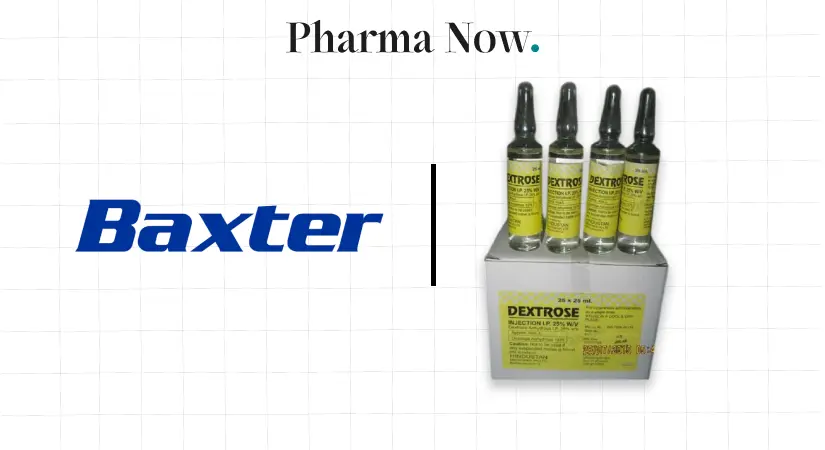
Stainless steel particulate contamination in a parenteral nutrition component has triggered a voluntary nationwide recall by Baxter International Inc., placing sterile injectable manufacturers on notice that equipment-derived contamination remains an active GMP risk. The affected product, 70% Dextrose Injection, USP in 2000 mL VIAFLEX Plastic Containers, Lot Y4950663, was distributed between July 25 and July 28, 2026, to healthcare providers and distributors across Alabama, Georgia, and Tennessee.
The clinical risk profile is severe. Intravenous administration of a solution containing metallic particulates can cause vascular occlusion, pulmonary embolism, permanent organ damage, or death. Secondary risks include local vein irritation, inflammatory response, and aggravation of existing infections. Baxter confirmed no adverse events had been reported as of the August 25 announcement date, but the risk statement filed with FDA reflects the full consequence spectrum required under 21 CFR Part 211 finished-product standards.
For QA directors and plant heads, the contamination mechanism warrants close attention. Stainless steel particles in a closed-system intravenous solution point to equipment qualification gaps, worn contact surfaces, inadequate in-process inspection protocols, or filter integrity failures upstream of fill. Under ICH Q10, a contamination event of this nature should trigger a structured CAPA that traces the particle source through process mapping, equipment maintenance logs, and environmental monitoring data. The single-lot scope suggests a discrete process deviation rather than a systemic line failure, but root-cause documentation will be central to any subsequent FDA review.
Homecare compounding facilities that used Lot Y4950663 to prepare parenteral nutrition solutions carry an additional obligation: patient-level notification and product replacement. Baxter is reaching customers directly by email with return instructions. Facilities should cross-reference their receiving records against the NDC number 0338-0719-06 and expiration date of July 31, 2027, to confirm exposure before initiating their own recall procedures.
The recall classification and inspection follow-up from FDA will indicate how the agency weighs the contamination's severity and Baxter's response timeline, a measurable outcome that sterile injectable manufacturers across the industry should track as a benchmark for particulate matter CAPA adequacy.
Source: FDA Safety Recalls, Market Withdrawals and Safety Alerts via FDA.gov, August 25, 2026.
Simantini Singh Deo works on the latest and trending news happening daily in the pharma world.
More from Pharma News
All stories →Hepion Pharmaceuticals Gains FDA Backing for GV104 Modeling
FDA Extends Coral Snake Antivenin Lot CL6814 Expiration to June 2026 on Stability Data

Discussion