FDA Approves Bristol Myers Squibb’s Breyanzi For Relapsed Or Refractory Marginal Zone Lymphoma With 95.5% Response Rate
FDA approves BMS’s Breyanzi for relapsed or refractory marginal zone lymphoma, offering a new CAR T option with strong efficacy and durable responses.

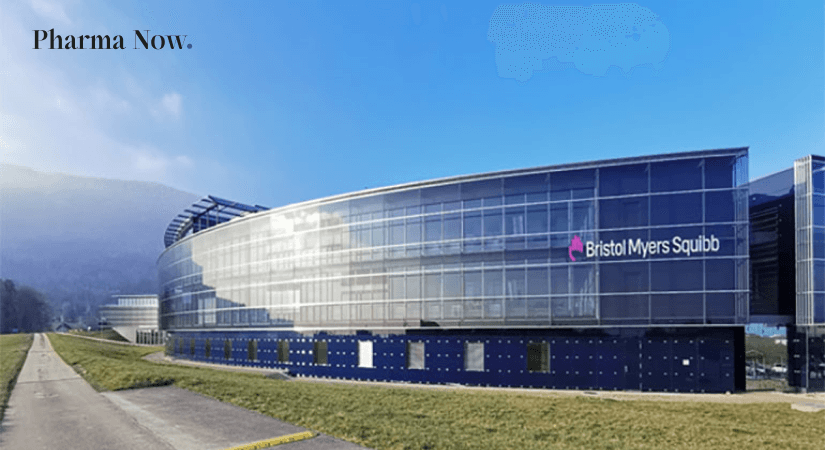
Bristol Myers Squibb announced that the U.S. FDA has approved Breyanzi® (lisocabtagene maraleucel; liso-cel), its CD19-directed CAR T cell therapy, for adult patients with relapsed or refractory marginal zone lymphoma (MZL) who have undergone at least two previous systemic treatments. Breyanzi, delivered as a single infusion, becomes an important new option for patients with this difficult-to-treat lymphoma subtype.
“The FDA approval of Breyanzi for relapsed or refractory marginal zone lymphoma further solidifies it as the leading CD19-directed CAR T cell therapy covering the broadest range of B-cell malignancies. This approval in a fifth cancer type reflects our bold vision to bring the transformational potential of cell therapy to more patients," said Lynelle B. Hoch, president, Cell Therapy Organization, Bristol Myers Squibb. “Breyanzi is the first and only CAR T cell therapy approved for this patient population, demonstrating Bristol Myers Squibb’s deep commitment to expanding access and reaching as many patients as possible with this innovative, practice-changing treatment.”
The approval is supported by data from the MZL cohort of the TRANSCEND FL trial, an open-label, multicenter study. Among 66 patients included in the primary efficacy analysis who received Breyanzi in the third-line and later setting, the therapy achieved an impressive overall response rate of 95.5%, with a complete response rate of 62.1%. Median duration of response was not reached, and 90.1% of patients who responded remained in remission at 24 months, demonstrating strong and durable efficacy.
Breyanzi’s safety profile in R/R MZL was consistent with that seen in previous studies of the therapy. In the trial, cytokine release syndrome occurred in 76% of patients, with Grade ≥3 events in 4.5%. Neurological side effects, such as headache, tremor, dizziness, and encephalopathy, were also observed, generally aligning with expectations for CAR T cell therapies. The manageable safety profile supports treatment in both inpatient and outpatient settings for eligible patients.
“Patients living with marginal zone lymphoma, a subtype of indolent non-Hodgkin lymphoma, generally see success with initial therapy, but a subset of patients ultimately experience multiple relapses over the course of many years, creating a pressing need for new treatment options with durable outcomes,” said M. Lia Palomba, M.D., TRANSCEND FL study investigator and lymphoma and cell therapy specialist, Memorial Sloan Kettering Cancer Center. “The FDA approval of liso-cel in relapsed or refractory marginal zone lymphoma is a significant advancement in redefining the treatment landscape and providing patients with an option that has demonstrated high rates of responses with an established safety profile.”
Bristol Myers Squibb highlighted that Breyanzi is widely covered by U.S. commercial and government insurance plans. The company also offers a suite of patient support resources, including Cell Therapy 360, a digital platform that facilitates access to treatment information, manufacturing updates, and support services for patients, caregivers, and healthcare professionals.
Reporting on the science, business and regulation shaping the pharmaceutical industry.

Discussion