Dapiglutide Shows Potential In Latest Zealand Pharma Trial – Low Doses, Big Impact
Zealand Pharma reports promising preliminary results from the DREAM trial, showing weight loss with dapiglutide.

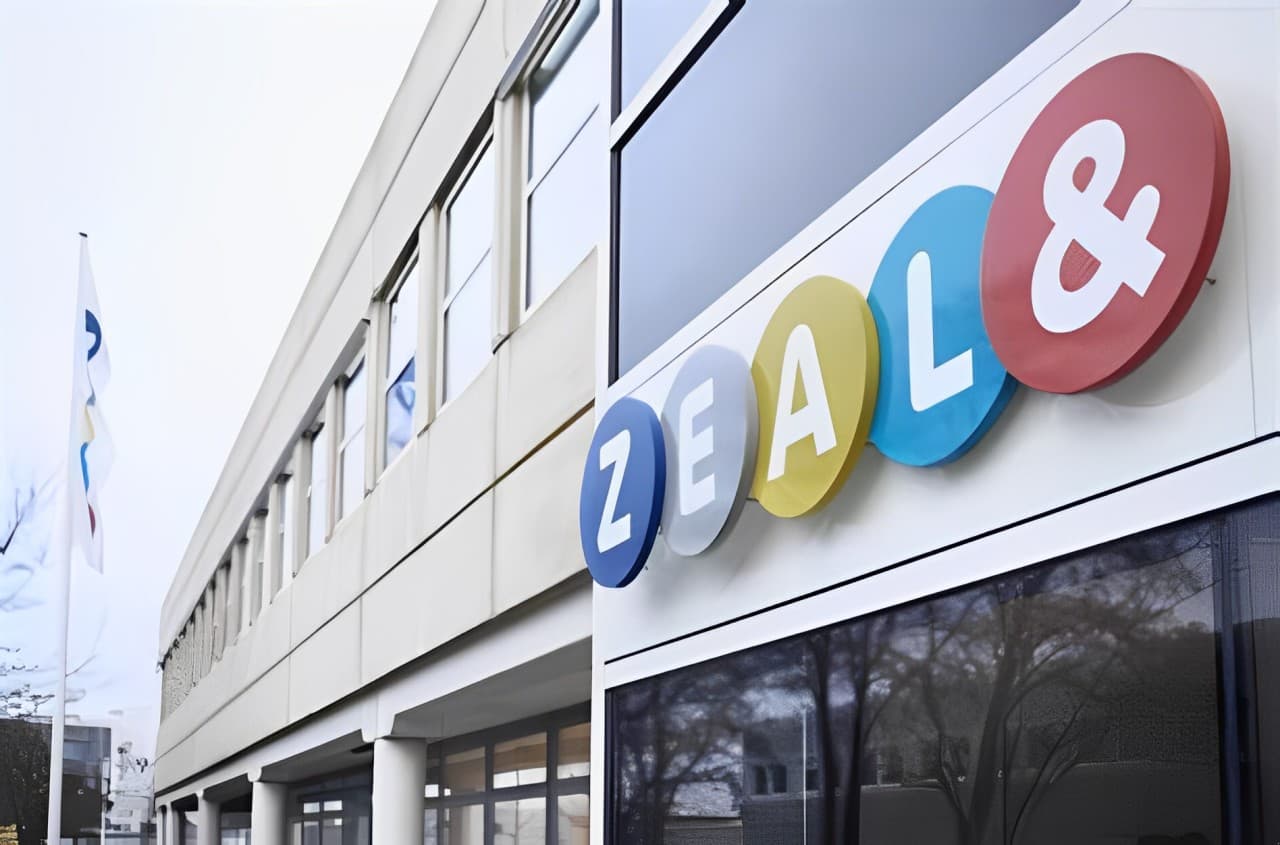
Zealand Pharma, a company specializing in peptide-based drug
development, has released preliminary results from the DREAM trial (Dapiglutide
for the Treatment of Obesity). This investigator-led study aimed to assess the
efficacy of dapiglutide, a dual GLP-1/GLP-2 receptor agonist, in promoting
weight loss and understanding its mechanistic effects over a 12-week period,
without incorporating lifestyle changes like diet or exercise.
The trial tested dapiglutide at doses of 4 mg and 6 mg.
After 12 weeks, participants experienced an average weight reduction of 2.9%
(p=0.483) and 4.3% (p=0.077), respectively, compared to a 2.2% reduction with a
placebo, which was the primary endpoint.
David Kendall, MD, Chief Medical Officer of Zealand Pharma,
said in a statement “We are encouraged by the reductions in body weight
observed in this investigator-led mechanistic trial using low doses of
dapiglutide. These results are in line with the outcomes observed with shorter
term treatment using lower doses of other incretin-based therapies. Our ongoing
13-week Phase 1b dose-titration trial is currently evaluating higher doses of
dapiglutide up to 13 mg, and based on the tolerability profile observed to
date, we will seek to investigate even higher doses going forward. We expect
topline results from our Phase 1b trial in the second half of this year.”
In the DREAM trial, dapiglutide demonstrated a favorable
safety and tolerability profile. The primary side effects were
gastrointestinal, such as decreased appetite and nausea. However, these adverse
events were less frequent compared to those observed with other incretin-based
treatments, and none caused participants to stop the treatment. Further
insights into cardiovascular risk, systemic inflammatory markers, and gut
biopsy results will be shared at an upcoming scientific conference.
My international experience as a researcher in Taiwan for three years has equipped me with a global perspective, enabling me to create content that resonates with an international audience.
More from Pharma News
All stories →
IDEAYA Biosciences Achieves 17.4-Month Median OS with IDE849 ADC in Relapsed SCLC
FDA Issues Twelve Biologics Guidance Documents Covering Container Closure, Blood Manufacturing, and Biosimilars
Discussion