ENHERTU® Gains Approval in China for HER2+ Gastric Cancer
ENHERTU® approved for advanced HER2+ gastric cancer in China after strong trial results.

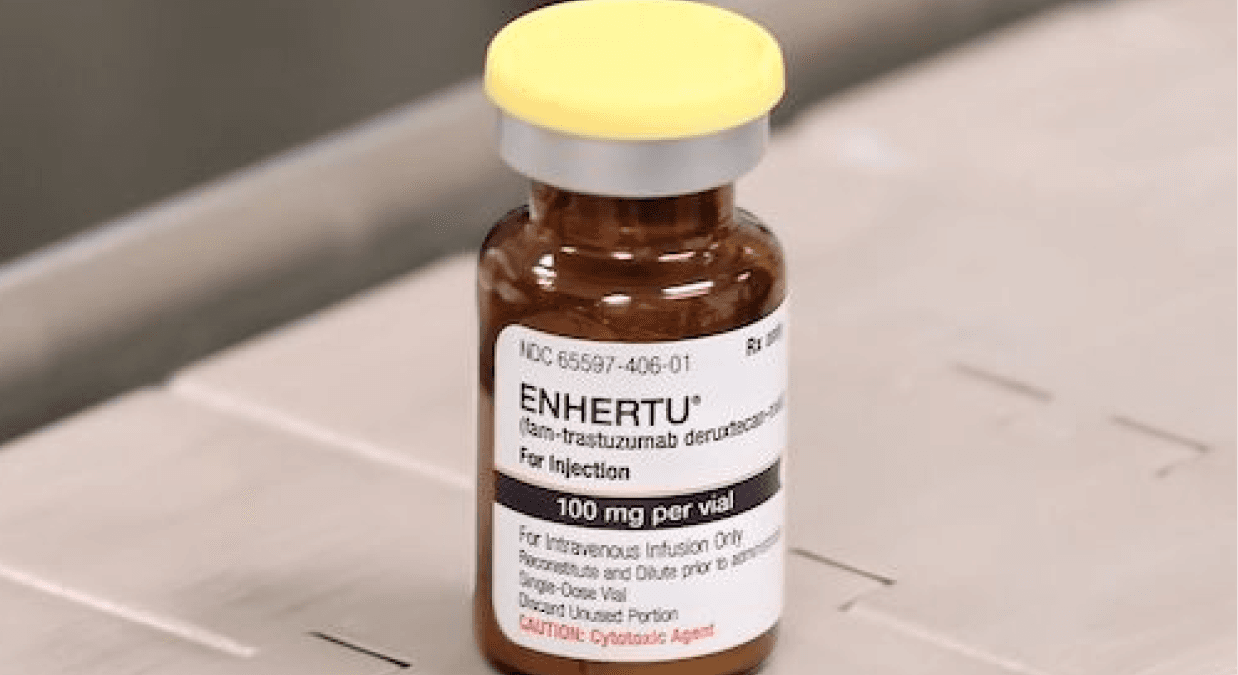
Conditional approval has been granted to Daiichi Sankyo for ENHERTU® (trastuzumab deruxtecan) as a monotherapy for adult patients who have had two or more prior treatment regimens and have locally progressed or metastatic HER2 positive gastric or gastro-oesophageal junction (GEJ) adenocarcinoma. Based on the findings of the DESTINY-Gastric06 phase 2 trial, which showed that ENHERTU produced clinically significant responses in Chinese patients with HER2 positive locally advanced or metastatic gastric or GEJ adenocarcinoma that had previously been treated with two or more prior regimens including a fluoropyrimidine agent and a platinum agent, this indication was given conditional approval. Results from the phase 2 DESTINY-Gastric01 study, which involved patients from South Korea and Japan, also backed the approval. In the trial, patients with HER2 positive metastatic gastric cancer treated with ENHERTU showed a statistically significant improvement in confirmed objective response rate (ORR) and median overall survival (OS) versus chemotherapy.
This milestone marks the third approval in China for ENHERTU
in less than two years, following approvals for HER2 positive metastatic breast
cancer and HER2 low metastatic breast cancer. The safety profile of ENHERTU in
DESTINY-Gastric06 was consistent with previous clinical trials of ENHERTU in
gastric cancer with no new safety concerns identified. Grade 3 or grade 4
treatment-related adverse events (AEs) from a pooled safety analysis of
patients treated with ENHERTU across multiple tumor types in clinical studies
included neutropenia (27.9%), anemia (23.1%), leukopenia (12.9%),
thrombocytopenia (9.0%), fatigue (8.2%), decreased appetite (8.1%), lymphopenia
(7.4%), nausea (5.8%), transaminases increased (4.7%), hypokalemia (4.2%),
pneumonia (2.9%), febrile neutropenia (2.9%), vomiting (2.4%), diarrhea (2.1%),
decreased weight (2.1%), blood alkaline phosphatase increased (1.8%),
interstitial lung disease (ILD) (1.6%), dyspnea (1.3%), and ejection fraction
decreased (1.1%). Grade 5 adverse reactions occurred in 2.6% of patients,
including ILD (1.9%). Discontinuation of treatment due to an AE occurred in
17.0% of patients. The most frequent adverse event associated with permanent
discontinuation was ILD (12.4%).
My international experience as a researcher in Taiwan for three years has equipped me with a global perspective, enabling me to create content that resonates with an international audience.



Discussion