New Multi-Stakeholder Report Calls For Rapid Adoption Of Non-Animal Testing In India’s Drug Development Push
A new multi-stakeholder report urges India to adopt non-animal testing to speed drug development, cut costs, and improve clinical success.

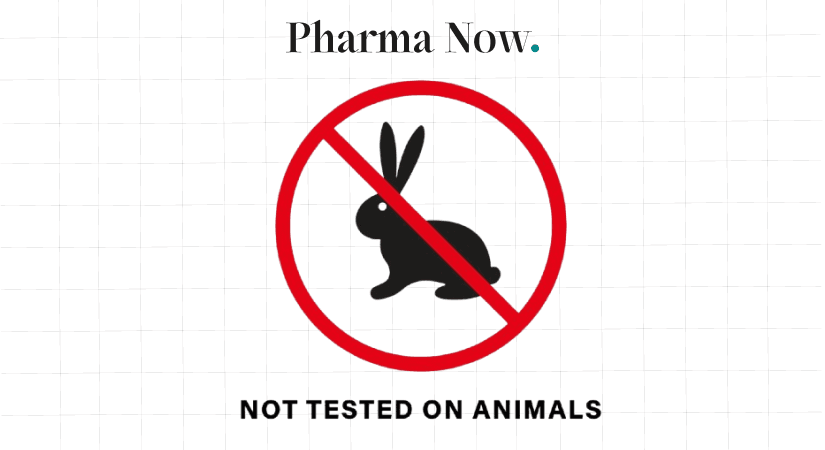
As India works toward becoming a USD 500-billion pharmaceutical powerhouse by 2047 under the Viksit Bharat vision, a new multi-stakeholder report highlights how non-animal testing methods could reshape drug development in the country. Titled “Landscape Analysis on Alternatives to Animal Testing for Drug Development in India,” the study was developed by Humane World for Animals India, DBT-InSTEM, Animal Law and Policy Network and Dr. Reddy’s Laboratories. It maps emerging Non-Animal Methods (NAMs) and outlines how these technologies can strengthen translational science, shorten development timelines and support innovation across pharma and MedTech.
Speaking at the event, Ms. Alokparna Sengupta, Managing Director, Humane World for Animals India, said, “We are proud to be part of this project. For decades, there have conversations around the use of animals and bring in alternatives. The time has come now for these conversations to move to action. In this modern age, we have human cell-based and computational models that can reflect human biology far more accurately, reducing the risk of drug failures. These emerging technologies can save the lives of animals, revolutionize public health, and aid in quicker and cost-effective drug development. Attention, funding and developing this sector will be a win-win-win situation for all, and this report will play a pivotal role in bringing that change.”
The report notes that traditional animal models often fail to accurately predict human responses because of biological differences, contributing to high failure rates in clinical development—only about 10% of drugs entering Phase I trials reach approval. Globally, regulators and researchers are increasingly adopting tools such as organ-on-chip systems, organoids and computer-based simulations. Regulatory reforms, including the US FDA Modernization Act 2.0 and India’s New Drugs and Clinical Trials (Amendment) Rules, 2023, have further opened the door for non-animal approaches to be used in safety and efficacy evaluations.
Mr. Deepak Sapra, Chief Executive Officer- API and Services, Dr. Reddy’s Laboratories Ltd., said: “Science driven, non-animal testing methods present a valuable opportunity for India’s pharmaceutical industry to strengthen early-stage research, improve scientific relevance, lower development costs, and accelerate drug development timelines. When combined with existing approaches, these methods can support the creation of therapies that meet both domestic and international standards. With coordinated action and targeted investment, India can be at the forefront of the global transition towards NAMs, strengthening its innovation ecosystem while advancing patient safety, ethical research practices, and longterm competitiveness.”
Dr. Arvind Ramanathan, Scientist, DBT BRiC – Institute for Stem Cell Science and Regenerative Medicine (InStem), said, “We are committed to supporting scientific innovation that accelerates drug development while ensuring safety and ethical research practices. Human-relevant, non-animal testing methods provide an important pathway to strengthen India’s pharmaceutical R&D ecosystem, reduce reliance on animal models, and improve the predictability and efficiency of preclinical research. Initiatives such as these, coupled with policy support and strategic investments, can position India as a global leader in advanced, patient-centered drug development.”
Unveiled by Dr. Reddy’s Chairman Satish Reddy at a ceremony attended by experts from government, academia and animal-welfare groups, the report highlights the scientific, economic and patient-focused advantages of human-relevant testing. These include better early-stage decision-making, lower R&D costs, improved patient outcomes and reduced reliance on animal models in line with global ethical standards. It also identifies opportunities to replace outdated animal tests across generics, novel biologics and advanced therapies such as cell and gene treatments.
Prof. Sarfaraz K. Niazi, Adjunct Professor, University of Illinois, Chancellor, Chicago University, Chicago, Illinois, USA, said, “Globally, drug regulators and research institutions are rethinking longstanding preclinical paradigms, with increasing openness to evidence generated through human-relevant, non-animal approaches. This shift reflects a broader move towards science-led regulatory decision-making that prioritises clinical relevance and real-world predictability. As these frameworks mature globally, countries that proactively align their scientific and regulatory systems with such approaches will be better positioned to participate in collaborative research, global trials, and cross-border regulatory convergence.”
To drive adoption, the report recommends creating industry-led consortia, establishing a central agency for NAM validation, expanding Centres of Excellence, investing in domestic research infrastructure and strengthening regulatory alignment around the 3Rs—Replace, Reduce and Refine. With sustained investment in skills, facilities and policy support, the authors argue that NAMs could become a core part of India’s drug-development ecosystem, helping the country emerge as a global hub for safer, faster and more predictive pharmaceutical innovation.
Reporting on the science, business and regulation shaping the pharmaceutical industry.


Discussion