LEQEMBI® (Lecanemab) Added To China’s New Commercial Insurance Innovative Drug List, Expanding Access For Early Alzheimer’s Patients
LEQEMBI by Eisai and Biogen added to China’s Commercial Insurance Innovative Drug List to expand access for early Alzheimer’s treatment.

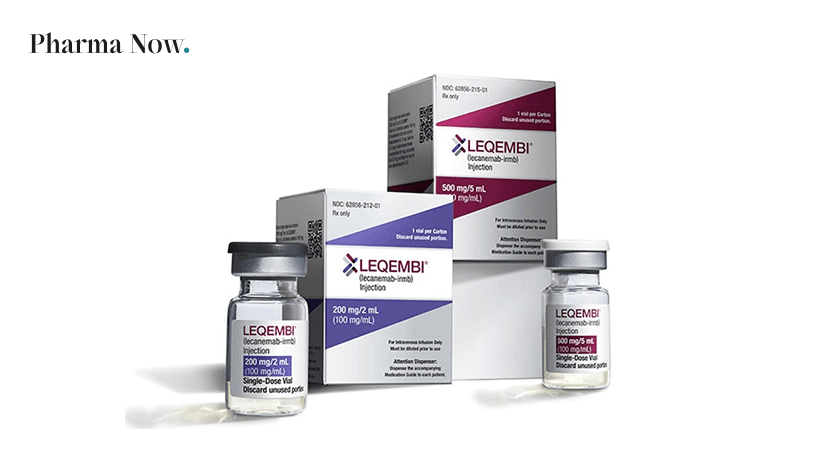
Eisai Co., Ltd., headquartered in Tokyo, and Biogen Inc., based in Cambridge, Massachusetts, announced that their anti-Aβ protofibril antibody, LEQEMBI® (known in China as 乐意保®, generic name lecanemab), has been included in China’s newly established “Commercial Insurance Innovative Drug List,” issued by the National Healthcare Security Administration (NHSA).
This inclusion represents an important step toward increasing access to early Alzheimer’s disease (AD) treatment in the country. The Commercial Insurance Innovative Drug List was created to support the development and accessibility of innovative medicines in China.
It aims to bridge the coverage gap between the basic National Reimbursement Drug List (NRDL) and therapies that address high unmet medical needs. Following the list’s introduction, commercial insurance companies will negotiate with pharmaceutical companies to determine coverage terms and develop insurance products specifically for the listed medicines.
The list is scheduled to take effect on January 1, 2026. Eisai estimates that approximately 17 million people in China had mild cognitive impairment or mild dementia due to Alzheimer’s disease in 2024, a number expected to rise as the population ages. LEQEMBI was launched in China in June 2024 and has been available in the private market.
Under the global partnership, Eisai leads the development and regulatory submissions for LEQEMBI, while both Eisai and Biogen co-commercialize and co-promote the product, with Eisai retaining final decision-making authority. In China, Eisai is responsible for product distribution and providing information to healthcare professionals through specialized Medical Representatives.
LEQEMBI targets Aβ protofibrils, which are believed to be the most toxic form of amyloid beta and play a central role in Alzheimer’s disease-related cognitive decline. Protofibrils damage neurons and impair brain function through multiple mechanisms, including promoting insoluble Aβ plaque formation and directly harming neuronal membranes and synaptic connections.
Reducing protofibrils may help slow the progression of Alzheimer’s by minimizing neuronal damage and preserving cognitive function. This listing on the Commercial Insurance Innovative Drug List is expected to enhance access to LEQEMBI for patients with early AD in China, helping address a significant unmet need in a growing patient population.
Simantini Singh Deo works on the latest and trending news happening daily in the pharma world.



Discussion