Novartis’ Fabhalta® (iptacopan) Achieves Phase III Primary Endpoint, Demonstrates Slowed Kidney Function Decline In IgA Nephropathy (IgAN) Patients
Novartis’ Fabhalta shows significant efficacy in slowing IgA nephropathy progression in Phase III APPLAUSE-IgAN study.

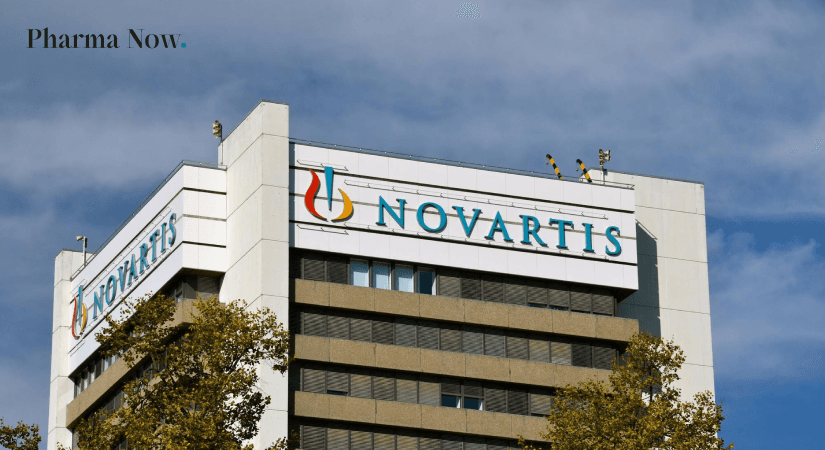
Novartis has announced positive final results from the APPLAUSE-IgAN Phase III study evaluating Fabhalta (iptacopan) in adults with IgA nephropathy (IgAN). Fabhalta, an oral inhibitor of the alternative complement pathway, showed statistically significant and clinically meaningful superiority over placebo in slowing disease progression, measured by the annualized total slope of estimated glomerular filtration rate (eGFR) decline over a two-year period.
Ruchira Glaser, Development Unit Head for Cardiovascular, Renal & Metabolic at Novartis, commented, “Progressive diseases such as IgAN create an urgent need for interventions that can improve kidney health. Many people living with IgAN experience anxiety and fear about disease progression. We are encouraged by the APPLAUSE-IgAN results showing a slowed decline in eGFR, supporting Fabhalta as a targeted therapy to preserve long-term kidney function and offer hope to those affected by this condition.”
Novartis plans to use these data to support regulatory submissions for Fabhalta in 2026. The company continues to advance its multi-asset IgAN portfolio, which includes Vanrafia (atrasentan) and the investigational compound zigakibart, aiming to provide comprehensive treatment options for patients.
IgAN is a progressive autoimmune kidney disease, affecting approximately 25 per million people annually worldwide. It leads to glomerular inflammation, proteinuria, and a gradual decline in eGFR. Up to half of patients with persistent proteinuria progress to kidney failure within 10 to 20 years, often requiring dialysis or kidney transplantation. In addition to physical health challenges, people living with IgAN often face mental, social, and economic burdens. Current supportive care does not address the underlying causes of the disease and often fails to slow its progression, highlighting the need for more targeted treatment options.
In the APPLAUSE-IgAN study, Fabhalta was well tolerated and demonstrated a favorable safety profile consistent with previous clinical data. Full results from the final analysis of the study will be shared at upcoming medical conferences. This development reinforces Novartis’ commitment to advancing therapies that address unmet medical needs in kidney diseases and improving outcomes for people living with IgAN.
Simantini Singh Deo works on the latest and trending news happening daily in the pharma world.

Discussion