Roche Signs Up to $2.3 Billion Deal with Nurix for BTK Degrader Bexobrutideg
Roche's $2.3B deal for BTK degrader bexobrutideg raises process validation and GMP complexity questions for CMOs and QA teams.

Roche's $2.3 billion licensing agreement with Nurix Therapeutics for the BTK degrader bexobrutideg signals a material shift in how large pharma is positioning around targeted protein degradation, and for CMOs, QA directors, and manufacturing leads, the manufacturing complexity that follows deserves close attention.
Bexobrutideg belongs to a class of modalities, PROTAC and molecular glue degraders, that present distinct process validation and analytical challenges compared with conventional small molecules. Unlike standard kinase inhibitors, degraders rely on ternary complex formation, making characterisation, impurity profiling, and stability testing substantially more demanding under ICH Q10 and 21 CFR Part 211 frameworks. Any CMO brought into the supply chain will face elevated scrutiny on process consistency and degrader-specific critical quality attributes.
The deal structure itself, upfront payment plus milestone-linked tranches reaching $2.3 billion, reflects the clinical and regulatory risk still embedded in the degrader pipeline. Bexobrutideg is being developed for B-cell malignancies, a space where BTK inhibitor resistance has created unmet need that conventional covalent inhibitors cannot fully address. Nurix retains a co-development role, which means manufacturing governance, batch release standards, and QA oversight responsibilities will need to be clearly delineated between both parties as the programme advances toward later-stage trials.
For plant heads and QA leads at organisations already handling complex small molecules, the Roche-Nurix transaction is a directional indicator: degrader programmes are moving from early-phase novelty into well-capitalised late-stage development, and the GMP infrastructure required to support them is not yet standardised across the industry. Analytical method development for heterobifunctional molecules, in particular, remains an area where regulatory expectations are still consolidating.
The pace at which bexobrutideg advances through Phase II and Phase III trials will determine when CMC packages and process validation dossiers need to be submission-ready, a timeline that manufacturing partners should be mapping now rather than at the point of out-licensing.
Source: Indian Pharma Post via Media4Growth, 7 June 2026.
Reporting on the science, business and regulation shaping the pharmaceutical industry.
More from Pharma News
All stories →
Pharming Group Gains FDA Approval for Leniolisib in Children Aged 4–11 with APDS
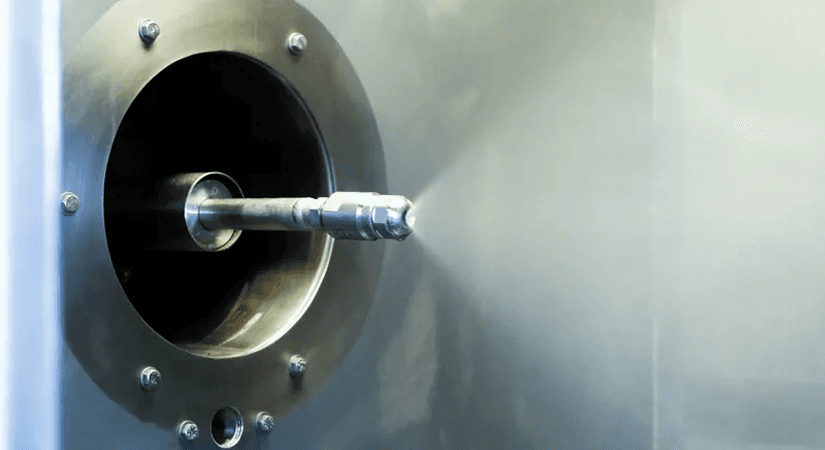
Lonza Builds Oregon Spray-Drying Facility To Expand SDD Capacity

Discussion