Redwire and Eli Lilly Advance Drug Discovery with Space-Grown Insulin Crystals
Redwire's space-grown insulin crystals may advance drug discovery, boosting insights into chronic disease treatments.

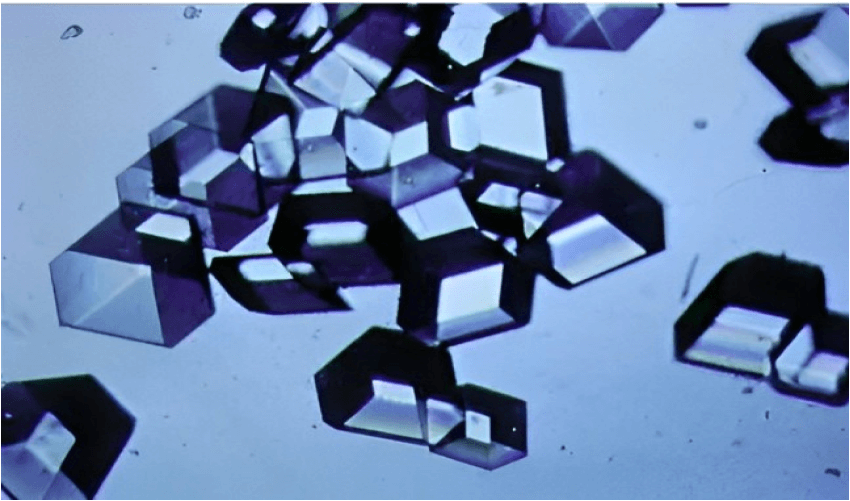
Redwire Corporation recently announced the successful return of its third set of drug crystals grown in space, developed in collaboration with Eli Lilly and Company. These insulin crystals, grown using Redwire’s PIL-BOX platform on the International Space Station (ISS), showed enhanced size and order in microgravity, which may accelerate the discovery of treatments for chronic diseases. Building on previous research, Lilly scientists aim to deepen their understanding of crystal formation to improve drug discovery and development processes.
John Vellinger, President of In-Space Industries at Redwire, emphasized that this research strengthens Redwire's capabilities for supporting pharmaceutical development in space. The PIL-BOX system’s in-situ microscope enables researchers to monitor crystal formation directly in microgravity, enhancing data quality for drug discovery and refinement. Redwire’s achievements in this field include processing 16 PIL-BOX units to date, with additional units recently sent to the ISS through new partnerships with Bristol Myers Squibb, ExesaLibero Pharma, and Butler University.
These successful studies are part of Redwire’s ongoing series of investigations into space-based crystallization processes. Past research has targeted treatments for various conditions, including cardiovascular disease, obesity, and diabetes, reflecting a growing trend of space-based pharmaceutical research with potentially wide-ranging implications.
My international experience as a researcher in Taiwan for three years has equipped me with a global perspective, enabling me to create content that resonates with an international audience.
More from Pharma News
All stories →
IDEAYA Biosciences Achieves 17.4-Month Median OS with IDE849 ADC in Relapsed SCLC
FDA Issues Twelve Biologics Guidance Documents Covering Container Closure, Blood Manufacturing, and Biosimilars
Discussion