Valneva’s IXCHIQ® Shows Strong One-Year Immunity And Safety In Children, Clearing Path Toward Phase 3 Trials; Delivering Robust 12-Month Protection Against Chikunguny
Valneva reports strong Phase 2 pediatric results for its single-shot chikungunya vaccine, supporting full-dose use as it advances toward Phase 3 development.

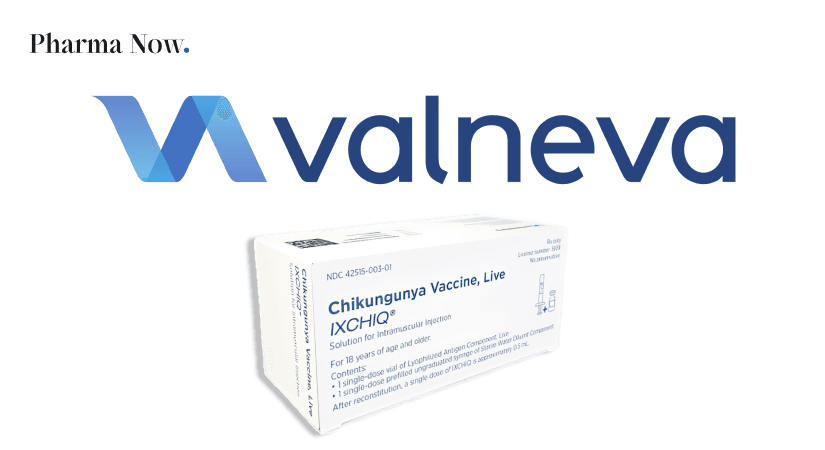
Valneva SE announced promising final results from its Phase 2 clinical trial evaluating long-term antibody persistence and safety of two dose levels of its single-shot chikungunya vaccine, IXCHIQ®, in 304 children. The data, collected 12 months after vaccination and partially supported by CEPI and the European Union, reinforce plans to advance the vaccine into Phase 3 pediatric development once additional real-world adolescent data are assessed.
The final outcomes from study VLA1553-221 remained consistent with earlier interim findings released in January and June 2025. Children aged one to eleven years who received the full dose, the formulation matching the licensed adult vaccine, demonstrated a stronger immune response at Day 360 compared with those who received a half dose. Overall, the immune profile in children mirrored the responses observed previously in adults and adolescents.
Juan Carlos Jaramillo M.D., Chief Medical Officer of Valneva, said, “The twelve months persistence and safety data in children are consistent with the robust antibody response and favorable safety profile previously observed in adolescents following a single vaccination. As safety is of the utmost importance, particularly when advancing into a Phase 3 pediatric study, we have decided, in alignment with the regulatory authorities, to continue gathering additional real-world experience in the adolescent population before initiating our planned Phase 3 study in children. We remain convinced, considering the significant risk chikungunya poses to individuals living in or traveling to endemic areas, that it is crucial to ensure a vaccine capable of potentially offering long-term protection from a single shot is accessible to people of all ages. This is especially important in Low- and Middle-Income countries (LMICs) where access to vaccines is often limited.”
Among chikungunya-naïve children, the full-dose regimen generated a 94.7% seroresponse rate by Day 360, underscoring its robust immunogenicity. Both dosing levels were well tolerated across all age groups, with no significant safety issues identified regardless of prior chikungunya infection status.
Given the comparable safety of both doses and the superior immunogenicity of the full dose, Valneva concludes that the full-dose formulation remains the optimal choice for pediatric use as the program progresses toward Phase 3 evaluation.
With nearly a million cases between January 2019 and July 2024, Brazil has reported the largest number of chikungunya cases globally, followed by India, which reported 370,000 cases within the same time frame. In 2025, there have been numerous reports of Chikungunya infection worldwide, with epidemics now occurring in six countries: Bangladesh, Cuba, China; Kenya, Madagascar, Somalia, and Sri Lanka.
Reporting on the science, business and regulation shaping the pharmaceutical industry.
More from Pharma News
All stories →
CPHI Milan Pharma Awards 2026 Finalists Announced

Pharming Group Gains FDA Approval for Leniolisib in Children Aged 4–11 with APDS
Discussion