Color-Coded Seals: Reducing Medication Errors Through Visual Differentiation
Color-coded seals in pharma add a fast visual check that helps clinicians pick the right injectable and avoid costly errors

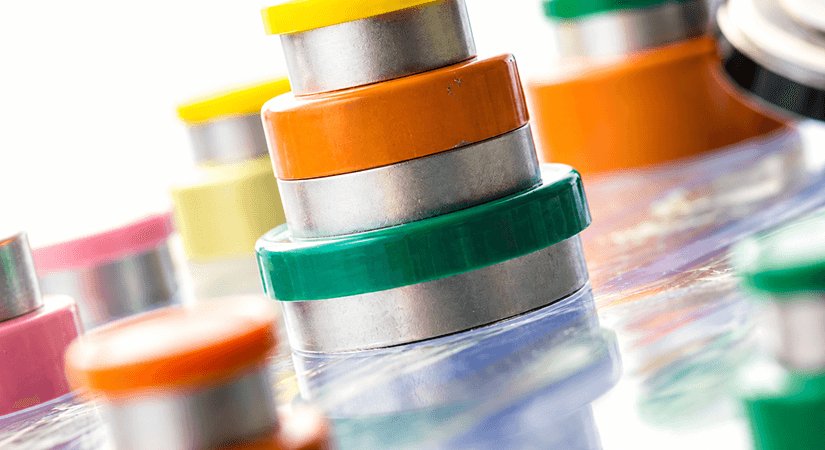
Table Of Content
- Why Medication Identification Matters
- The Role of Color-Coded Seals
- Supporting Safer Clinical Workflows
- Integration with Syringe Design
- Design Considerations for Color Coding
- Accessibility
- Consistency
- Regulatory Compliance
- Beyond Patient Safety
- The Future of Visual Differentiation
- In Short
Medication safety is one of the highest priorities across the pharmaceutical and healthcare industries. From manufacturing facilities to hospital pharmacies and clinical settings, every step of the medication journey relies on accurate identification and handling. Even small errors, such as selecting the wrong medication or dosage, can have serious consequences for patients. As healthcare systems continue to prioritize patient safety, visual differentiation has become an increasingly valuable tool.
One simple yet effective approach is the use of color-coded seals. When implemented as part of a broader packaging and labeling strategy, these seals help healthcare professionals quickly distinguish between products, reducing the risk of medication errors while improving workflow efficiency.
Why Medication Identification Matters
Many injectable medications are supplied in similar-looking containers, particularly prefilled syringes. While regulatory requirements ensure that labels contain essential product information, clinicians often work in busy, fast-paced environments where medications must be identified quickly.
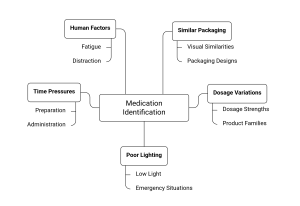
Factors that can contribute to medication selection errors include:
- Similar packaging designs between different products
- Multiple dosage strengths within the same product family
- Low-light or emergency clinical environments
- Time pressures during preparation and administration
- Human fatigue and distraction
Although labels remain the primary source of identification, adding visual cues such as colored seals creates another layer of recognition that can support safer handling.
The Role of Color-Coded Seals
Color-coded seals provide an immediate visual identifier that allows healthcare professionals to differentiate products before reading detailed labeling information. These seals may be incorporated into tip caps, closure systems, or tamper-evident packaging depending on the product design.
For example, manufacturers may assign different seal colors to:
- Different drug concentrations
- Product sizes
- Therapeutic categories
- Regional product variations
- Manufacturing batches where appropriate
The color itself is not intended to replace labeling but rather to complement it, helping users rapidly distinguish between similar products.
Supporting Safer Clinical Workflows
Visual differentiation becomes particularly valuable in high-pressure healthcare environments. Nurses, pharmacists, and physicians often prepare multiple injectable medications during a single shift, sometimes handling dozens of similar-looking syringes.
Color-coded seals can assist by:
- Making products easier to identify during preparation
- Supporting quicker visual confirmation before administration
- Reducing the likelihood of selecting the wrong product
- Helping organize medications within pharmacy workflows
- Improving confidence during inventory management
These advantages contribute to safer medication practices while helping healthcare professionals work more efficiently.
Integration with Syringe Design
Color-coded seals are only one element within a complete drug delivery system. Their effectiveness depends on careful integration with other syringe components, including tip caps, plungers, barrel markings, backstops, and labeling.
When all of these elements are designed to work together, manufacturers can create products that are both functional and intuitive for end users.
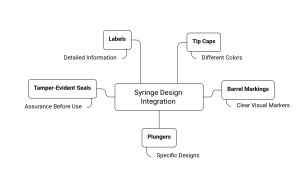
For example:
- Tip cap colors may provide immediate product differentiation.
- Clear barrel markings support accurate dose verification.
- Plunger design helps ensure consistent administration.
- Tamper-evident seals provide assurance of product integrity.
- Labels deliver detailed regulatory and product information.
Together, these syringe components create multiple layers of safety that help reduce opportunities for user error.
Color-coded seals are one layer of syringe safety — here's the full picture of how injectable drugs get filled, from aseptic fill-finish to prefilled syringe technology.
→ Read: A Complete Guide to Injectable Drug Manufacturing & Safety Standards
Design Considerations for Color Coding
While color can improve usability, implementing an effective color-coding system requires careful planning. Manufacturers must consider several important factors during product development.
Accessibility
Not all users perceive color in the same way. Color blindness affects millions of people worldwide, meaning color should never serve as the sole means of identification.
Effective systems combine color with:
- Clear text labels
- Distinctive graphics or symbols
- Barcode technology
- Unique product identifiers
This layered approach ensures products remain identifiable for all users.
Consistency
Consistency across product lines helps healthcare professionals build familiarity over time. Frequently changing color assignments can reduce the effectiveness of visual differentiation and potentially introduce confusion.
Manufacturers often establish standardized color systems across related product families whenever possible.
Regulatory Compliance
Color selection must also align with regulatory expectations and industry standards. Packaging changes typically require validation to ensure they do not introduce new risks or interfere with product performance.
Manufacturers evaluate factors such as:
- Material compatibility
- Sterilization processes
- Chemical stability
- Long-term color durability
- Manufacturing consistency
These considerations ensure that visual enhancements maintain product quality throughout the product lifecycle.
Color is just one variable in a much bigger packaging equation. See how primary, secondary, and tertiary packaging choices protect drug integrity across the board.
→ Read: Innovations in Pharmaceutical Packing Technologies
Beyond Patient Safety
Although reducing medication errors is the primary objective, color-coded seals also provide operational benefits.
Within manufacturing facilities, color differentiation can support production line organization, simplify quality inspections, and reduce the likelihood of packaging mix-ups.
In pharmacies, color-coded products can improve inventory management by making different strengths or formulations easier to identify during storage and dispensing.
Healthcare providers may also benefit from faster product recognition during routine procedures, contributing to smoother clinical workflows without compromising safety.
The Future of Visual Differentiation
As injectable drug delivery systems continue to evolve, visual identification strategies are becoming increasingly sophisticated. Manufacturers are combining color coding with digital technologies such as barcode scanning, serialization, RFID tracking, and smart packaging to further strengthen medication safety.
Future innovations may include enhanced tamper-evident features, machine-readable identifiers, and packaging designs that support both human recognition and automated verification systems.
These advancements reflect a broader commitment to reducing preventable medication errors while improving the overall healthcare experience for providers and patients alike.
In Short
Color-coded seals represent a practical yet highly effective way to improve medication safety through visual differentiation. By providing an additional layer of product identification, they help healthcare professionals distinguish between similar medications more quickly and confidently, particularly in fast-paced clinical environments.
When combined with clear labeling, standardized packaging, and thoughtfully engineered syringe components, color-coded seals contribute to a comprehensive safety strategy that supports accurate medication selection, efficient workflows, and better patient outcomes. As healthcare systems continue to prioritize error prevention, visual differentiation will remain an important element in the design of safer injectable drug delivery solutions.
Reporting on the science, business and regulation shaping the pharmaceutical industry.
More in Pharma Manufacturing
All articles →
Compliance In Pharma Manufacturing 2025: Key Regulations And Best Practices You Need to Know

Improving Pharmaceutical Manufacturing Flexibility: Agile Manufacturing and Rapid Scale-Up

Discussion