Pharma Manufacturing In India: Opportunities, Challenges
India makes 1 in 5 generic pills worldwide, here's what's driving pharma manufacturing growth in India, and what could slow it down.

Introduction
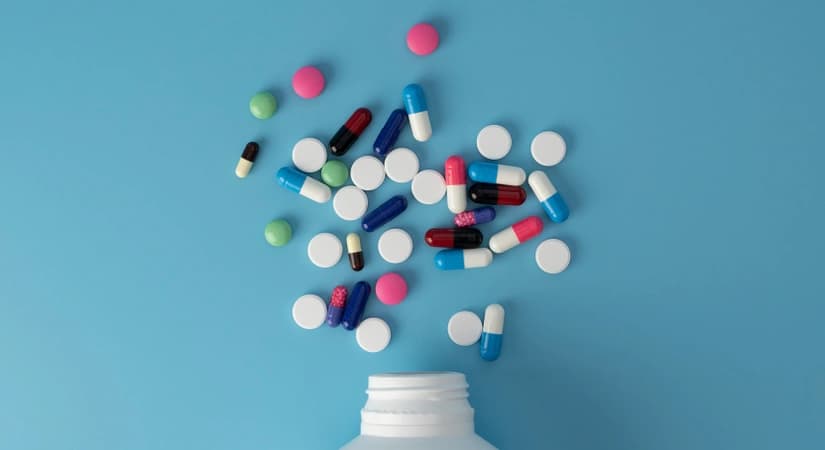
Walk into any pharmacy in the United States, Africa, or Southeast Asia, and there is a good chance the tablet you pick up was made in India. The country has quietly become the medicine cabinet of the world — it makes roughly one in every five generic pills consumed globally and supplies vaccines to over 150 countries. This isn't an accident.
It's the result of decades of investment in chemistry skills, low-cost manufacturing, and a regulatory system that, despite its flaws, has learned to speak the language of global health authorities.
India's pharmaceutical sector today is worth close to $60 billion domestically, and its exports crossed $31 billion in FY26 — a trade surplus story that few other Indian industries can claim. But being the "Pharmacy of the World" is not the same as being unshakeable.
Rising competition from China, tightening quality norms in the West, and India's own dependence on imported raw materials mean the industry stands at a genuine crossroads. This article looks at where the opportunity lies, what is holding the sector back, and how India can hold its own globally.
A Quick Snapshot: Where India Stands Today?

Before diving into opportunities and challenges, it helps to see the scale of what India has already built:
Global Rank: 3rd largest pharma producer by volume, 14th by value.
Generic Drug Supply: Around 20% of the world's generic medicine supply comes from India.
Vaccine Production: India manufactures close to 60% of vaccines used worldwide, meeting the bulk of global demand for BCG and DPT vaccines.
Manufacturing Base: Home to roughly 3,000 pharma companies and over 10,500 manufacturing units.
Trade Balance: Pharma exports of $31 billion against imports of under $9 billion, giving India one of its few genuinely strong trade surpluses.
US Market Share: Supplies close to 40% of generic medicines used in the United States.
These numbers explain why India earned its nickname. But the details behind them reveal both the strength and the fragility of the model.
The Opportunities: Why The World Still Bets On India?
1) Cost and Scale Advantage
Indian manufacturers can produce high-quality generic drugs at a fraction of the cost seen in the US or Europe, often 30-40% cheaper. This isn't just about cheap labour anymore; it comes from decades of process optimisation, backward integration, and manufacturing at a scale few countries can match.
2) Government Push Through Policy
The government has moved from passive support to active industrial policy:
Production Linked Incentive (PLI) Scheme offers financial incentives to boost domestic manufacturing of APIs, key starting materials, and finished formulations.
Three mega drug parks are being developed in Himachal Pradesh, Gujarat, and Andhra Pradesh to reduce dependence on imported raw materials.
Biopharma SHAKTI initiative, a ₹10,000 crore outlay announced in 2026 to build over 1,000 clinical trial sites and push India up the value chain into biologics and biosimilars.
Medical Device Parks, aimed at replicating the pharma success story in the devices segment.
3) A Shift Toward High-Value Products
For years, India's strength was in "small molecule" generics — chemically simple, easy-to-copy drugs. That is changing. Companies are now investing in:
Biosimilars (cheaper versions of complex biologic drugs)
GLP-1 therapies (the weight-loss and diabetes drug category currently booming worldwide)
Complex generics and specialty formulations, which carry higher margins and face less price erosion
4) Contract Research & Manufacturing (CRDMO) Growth
Global pharma companies are increasingly outsourcing research, trials, and manufacturing to Indian partners rather than doing it in-house. This CRDMO model (Contract Research, Development, and Manufacturing Organisation) is turning India from just a "generic drug factory" into a genuine R&D partner for global majors.
5) Diversifying Export Markets
Traditionally, the US and Europe absorbed most Indian pharma exports. That concentration is a risk, one policy change abroad can hurt earnings. Indian exporters are now actively expanding into:
Africa (Nigeria, Tanzania)
Latin America (Brazil, Mexico)
The Middle East (Saudi Arabia)
Non-traditional European markets (Netherlands, Spain, France)
This diversification cushions the industry against tariff shocks or regulatory tightening in any single market.
Biosimilars aren't just an opportunity, they're a full strategic pivot for India's pharma industry, see how the shift beyond generics is playing out.
→ Read: India's Shift From Generics to Global Biologics Leadership
The Challenges: What Could Slow India Down?
A) Heavy Dependence On Chinese APIs
This is the industry's best-known weak spot. Active Pharmaceutical Ingredients (APIs), the raw chemical compounds that go into every tablet are still imported in large volumes from China, particularly for antibiotics and certain essential drugs. During the early COVID-19 disruptions, this dependency became painfully visible when Chinese supply chains froze and Indian production nearly stalled. Despite PLI incentives, India still imports a significant share of bulk drug intermediates.
B) Regulatory & Quality Concerns
India's reputation has taken hits from repeated USFDA warning letters and import alerts issued to Indian manufacturing plants over the years, along with occasional reports of substandard cough syrups linked to deaths abroad. These episodes, even when isolated, damage trust built over decades and invite tighter scrutiny of every Indian shipment.
C) Price Pressure In Core Markets
The US generics market — India's biggest customer has seen intense price erosion due to consolidation among American drug buyers and distributors. Margins on plain-vanilla generics have been shrinking for years, forcing Indian firms to either move up the value chain or accept thinner profits.
D) Infrastructure & Logistics Gaps
- Inconsistent power supply in some manufacturing clusters raises costs for temperature-sensitive products
- Ports and cold-chain logistics for biologics and vaccines still lag behind competitors like Ireland or Singapore
- Environmental compliance costs for effluent treatment are rising, especially in API manufacturing hubs
E) Underinvestment In Innovation
Indian pharma spends a much smaller share of revenue on R&D compared to global majors like Pfizer or Novartis. This has kept India strong in generics but weak in original drug discovery — a gap that limits how much value the country can eventually capture.
F) Global Competition
China is investing aggressively to reclaim ground in biologics and speciality manufacturing. Meanwhile, countries like Vietnam and Bangladesh are positioning themselves as low-cost alternatives for basic generics, nibbling at India's traditional cost advantage.
India's PLI Scheme is directly targeting this API dependency, see how it's reshaping domestic manufacturing.
→ Read: How India's PLI Scheme Is Transforming API Manufacturing
Building Global Competitiveness: What Needs To Happen?
For India to move from "biggest generic supplier" to a genuinely competitive, high-value pharma hub, a few shifts matter most:
Reduce API Dependency — Bulk Drug Parks and PLI incentives need faster execution, not just policy announcements.
Invest In Quality Culture, Not Just Compliance — Treating USFDA norms as a floor rather than a checkbox will prevent repeat warning letters.
Scale Up Biologics & Biosimilars — This is where global demand and margins are both growing.
Deepen R&D Spending — Partnerships between industry and academic research institutions (like NIPER) can help India move from copying drugs to discovering them.
Strengthen Cold-Chain & Port Infrastructure — Essential for competing in vaccines, biologics, and specialty exports.
Continue Market Diversification — Reducing reliance on any single export destination protects the industry from geopolitical shocks.
In Conclusion
India's pharmaceutical story is a genuine success — one of the few sectors where the country isn't just competing globally but actually leading in specific niches like generics and vaccines. The scale, the cost advantage, and the growing policy support give it real momentum heading toward an ambitious $450 billion market target by 2047.
But the label "Pharmacy of the World" carries responsibility as much as prestige. Quality lapses, raw material dependency, and thin margins on commodity generics are real vulnerabilities that no export number can hide.
The industry's next chapter will be decided not by how much it can manufacture, but by how much it can innovate, how consistently it can meet global quality standards, and how well it can reduce its reliance on any single country or product category.
If India gets these fundamentals right, it won't just remain the world's pharmacy — it could become one of its most trusted innovation hubs too.
FAQs
1. Why Is India Considered A Major Global Pharmaceutical Manufacturing Hub?
India is a major pharmaceutical manufacturing hub because of its large production capacity, skilled workforce, cost advantage, and strong expertise in generic drugs and vaccines. It supplies medicines to markets across the US, Europe, Africa, Asia, and other regions.
2. What Are The Biggest Opportunities For Pharma Manufacturing In India?
Key opportunities include biosimilars, complex generics, specialty medicines, GLP-1 therapies, vaccines, and contract research, development, and manufacturing services. Government initiatives such as the PLI Scheme are also encouraging domestic production of APIs and other pharmaceutical products.
3. What Are The Main Challenges Facing Pharmaceutical Manufacturing In India?
The industry faces several challenges, including dependence on imported APIs, regulatory and quality concerns, price pressure in major export markets, infrastructure gaps, rising compliance costs, and relatively low investment in innovative drug research.
4. How Can India Reduce Its Dependence On Imported Pharmaceutical Raw Materials?
India can reduce import dependence by expanding domestic API and intermediate manufacturing, accelerating Bulk Drug Parks, supporting local suppliers, and making better use of production-linked incentives. Stronger domestic supply chains can also make the industry more resilient to global disruptions.
5. What Will Help India Remain Globally Competitive In Pharmaceutical Manufacturing?
India will need to focus on consistent quality, greater R&D investment, advanced manufacturing capabilities, biologics and biosimilars, better cold-chain and logistics infrastructure, and diversified export markets. Moving beyond low-cost generic manufacturing toward higher-value products will be especially important for long-term competitiveness.
Reporting on the science, business and regulation shaping the pharmaceutical industry.
More in Pharma Manufacturing
All articles →
Compliance In Pharma Manufacturing 2025: Key Regulations And Best Practices You Need to Know

Improving Pharmaceutical Manufacturing Flexibility: Agile Manufacturing and Rapid Scale-Up

Discussion