Genomic Sequencing For Contamination Investigations Explained
Genomic sequencing reads a pathogen's exact genetic fingerprint. Here's how it traces contamination to its source faster than ever before.

Introduction
Imagine a detective story where the culprit is invisible to the naked eye, moves through food, water, or hospital equipment, and can make thousands of people sick before anyone even notices a pattern. This is exactly the situation health investigators face when an outbreak of illness breaks out — whether it's from contaminated lettuce, a batch of infant formula, a hospital's water supply, or a pharmaceutical production line.
For decades, investigators relied on old-fashioned lab tests that could tell them what type of bacteria was present, but not much more. Today, a far more powerful tool has taken center stage: genomic sequencing.
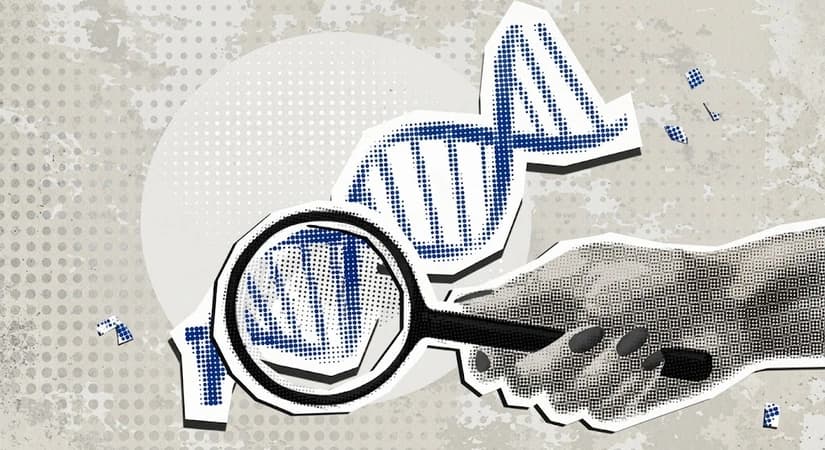
In simple terms, genomic sequencing reads the complete genetic code — the DNA — of a microorganism, letter by letter. This genetic "fingerprint" is so detailed that it can distinguish between two bacteria that look identical under a microscope but are, genetically, worlds apart. When contamination happens, this technology allows scientists to trace the exact strain of a pathogen, match it to its source, and shut down the problem before it spreads further.
This article breaks down, in plain language, how genomic sequencing works, why it has become the gold standard for contamination investigations, and what real-world impact it has had on food safety, healthcare, and public health.
What Is Genomic Sequencing, Really?
Every living organism, including bacteria and viruses, carries genetic material made of DNA (or RNA in some viruses). This genetic material acts like an instruction manual, written in a code made of just four "letters" — A, T, C, and G. Genomic sequencing is the process of reading this entire instruction manual from start to finish.
The most widely used version of this technique in contamination investigations is called “Whole Genome Sequencing (WGS)”. Unlike older methods that only looked at small, specific parts of a bacterium's genetic code, WGS captures the organism's entire genome — every gene, every mutation, every tiny variation.
Here's a simple way to think about it:
Older methods were like checking a person's height and eye color to identify them.
WGS is like taking their full fingerprint, DNA profile, and complete medical history all at once.
This level of detail means investigators can tell apart two strains of the same bacteria species even if they differ by just a handful of genetic letters, a resolution that was simply impossible before.
Why Older Methods Fell Short?

Before WGS became common, investigators mostly used a technique called Pulsed-Field Gel Electrophoresis (PFGE), along with basic culturing and serotyping. These methods worked reasonably well but had real limitations:
1) Low Resolution
PFGE could only separate bacteria into broad categories, sometimes grouping unrelated strains together simply because they looked similar.
2) False Alarms
Because the resolution was low, investigators sometimes thought they had found an outbreak cluster when the cases were actually unrelated — wasting time and resources.
3) Missed Connections
On the flip side, some genuinely linked cases were missed because the old techniques couldn't detect the subtle genetic similarities between them.
4) Slow & Inconsistent
Results could vary between laboratories, making it hard to compare data across regions or countries.
Genomic sequencing solved most of these problems by giving every case a precise, comparable, and highly detailed genetic signature.
How Genomic Sequencing Works In A Contamination Investigation?
While the science behind sequencing machines is complex, the overall investigation process is fairly easy to follow. It generally happens in these steps:
Sample Collection: Investigators collect samples from sick patients, suspected food products, water sources, or environmental surfaces (like a factory drain or hospital sink).
Isolating The Organism: Lab technicians grow the bacteria or virus in a controlled setting so there's enough genetic material to work with.
Extracting The DNA: The genetic material is separated from the rest of the cell.
Sequencing: A sequencing machine reads the DNA and converts it into a digital code — essentially a long string of A's, T's, C's, and G's.
Comparing Genomes: Powerful computer software compares the genetic code from different samples to see how closely related they are.
Building A Family Tree: Using the comparison data, scientists construct what's called a phylogenetic tree — a visual map showing how different samples are genetically related, almost like a family tree for bacteria.
Matching To A Source: If a strain from a sick patient closely matches a strain found in a food product or an environmental sample, investigators have strong evidence linking the illness to that specific source.
This entire workflow allows health agencies to move from a vague suspicion ("something is making people sick") to solid evidence ("this exact strain, from this exact facility, caused these exact illnesses").
Real-World Systems Making This Possible
Genomic sequencing isn't just a lab technique — it's supported by large, coordinated networks that share data across cities, states, and even countries. Two well-known examples in the United States include:
PulseNet, coordinated by public health laboratories, which connects hundreds of labs using standardized sequencing methods so that a case detected in one state can be quickly compared to cases elsewhere.
GenomeTrakr, a network coordinated with regulatory food safety agencies, which focuses on sequencing bacteria found in food and environmental samples and uploading them to a shared public database.
Because these networks use standardized protocols, a cluster of illnesses on one side of the country can be matched, within days, to a contaminated product identified on the other side. This kind of rapid, large-scale comparison was simply not possible with older lab techniques.
Why This Matters: The Practical Benefits?
The shift to genomic sequencing has changed contamination investigations in several important ways:
Speed – Outbreaks are identified and confirmed faster, which means contaminated products can be pulled from shelves sooner.
Accuracy – Investigators can confidently rule out unrelated cases, avoiding wasted effort chasing false leads.
Precision Source-Tracing – Instead of just saying "leafy greens caused this outbreak," investigators can often trace the issue back to a specific farm, processing facility, or water source.
Detecting Hidden Risks – Sequencing can also reveal whether a bacterial strain carries genes for antibiotic resistance or toxin production, which helps doctors choose the right treatment and helps regulators assess how dangerous a contamination event really is.
Cross-Border Tracking – Since foodborne illnesses often cross international boundaries, shared global sequencing databases help connect outbreaks that might otherwise appear as isolated, unrelated incidents in different countries.
Rapid microbiological methods are also transforming contamination detection speed. See how RMMs are changing environmental monitoring in cleanrooms.
→ Read: Rapid Micro Methods Transform Pharma EM
Beyond Food: Other Areas Where This Technology Is Used
While food safety is one of the most visible applications, genomic sequencing for contamination investigations extends well beyond it:
a) Hospital-Acquired Infections: Sequencing helps hospitals trace outbreaks of drug-resistant bacteria back to a specific ward, piece of equipment, or even a single healthcare worker who may be unknowingly spreading it.
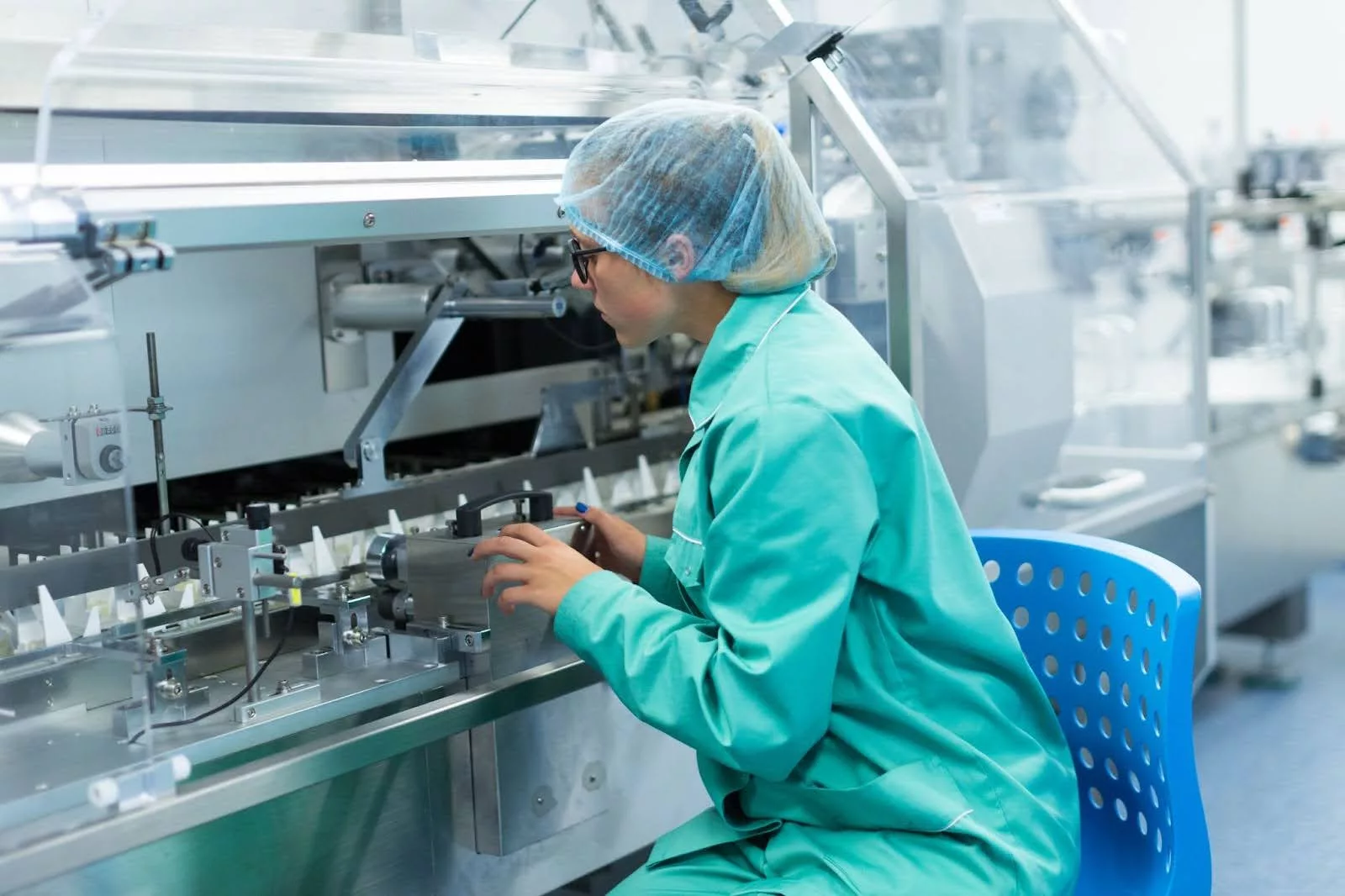
b) Pharmaceutical Manufacturing: Drug makers use sequencing to identify the source of microbial contamination in production environments, protecting the safety of medicines.
c) Water Systems: Public water utilities use it to trace contamination events back to specific pipes, treatment failures, or environmental sources.
d) Environmental & Industrial Monitoring: Facilities handling raw materials or biological products use sequencing to catch contamination early, before it becomes a widespread problem.
Genomic sequencing works alongside broader contamination control strategies in sterile manufacturing. See how microbiologists anchor these safety systems.
→ Read: Microbiologists | The Backbone of HACCP Safety
Challenges That Still Exist
Genomic sequencing is powerful, but it isn't a magic fix for every situation. Some ongoing challenges include:
Cost & Infrastructure — Not every laboratory, especially in lower-resource regions, has access to sequencing equipment or trained staff.
Data Sharing Hurdles — Coordinating data across different countries and agencies involves navigating privacy concerns, differing regulations, and technical compatibility issues.
Interpretation Complexity — The sheer volume of genetic data generated requires skilled analysts and strong computing power to interpret correctly.
Standardization — Different labs sometimes use slightly different sequencing platforms or analysis pipelines, which can create small inconsistencies that need to be carefully managed.
In Conclusion
Genomic sequencing has transformed contamination investigations from a slow, uncertain process into a fast, precise science. By reading the complete genetic blueprint of bacteria and viruses, investigators can now identify outbreaks earlier, trace them to their exact source, and prevent further harm with a level of confidence that older methods simply could not offer. From contaminated food products to hospital infections and water systems, this technology has become a quiet but essential guardian of public health.
As sequencing technology becomes cheaper, faster, and more accessible, its role in contamination investigations will likely keep growing — helping investigators solve these invisible mysteries not just faster, but with far greater accuracy than ever before. What was once a painstaking guessing game has become a data-driven science, and that shift is saving lives one genome at a time.
FAQs
1. What Is Genomic Sequencing And How Does It Help Identify Contamination?
Genomic sequencing reads the genetic material of a microorganism to create a detailed genetic profile. Investigators can compare these profiles to determine whether microorganisms from different samples are closely related and potentially linked to the same contamination event.
2. Why Is Whole Genome Sequencing Used In Contamination Investigations?
Whole Genome Sequencing (WGS) examines an organism's complete genome, providing much more detail than older testing methods. This allows investigators to distinguish between closely related strains and identify connections that may otherwise be missed.
3. How Does Genomic Sequencing Help Trace The Source Of An Outbreak?
Investigators sequence microorganisms collected from patients, food, water, equipment, or environmental surfaces and compare their genetic profiles. A close genetic match can provide strong evidence that samples came from the same source or are part of the same outbreak.
4. Where Is Genomic Sequencing Used For Contamination Investigations?
Genomic sequencing is used in several areas, including food safety, healthcare, pharmaceutical manufacturing, water systems, and environmental monitoring. It can help identify contamination sources and track the spread of microorganisms across different locations.
5. What Are The Main Challenges Of Using Genomic Sequencing?
The main challenges include the cost of sequencing equipment, the need for trained personnel, complex data analysis, differences in laboratory methods, and difficulties in sharing data between organizations or countries. These factors can affect how quickly and effectively sequencing results are used.
Reporting on the science, business and regulation shaping the pharmaceutical industry.
More in Regulatory Intelligence
All articles →
The Pattern Behind FDA Warning Letters: What Startups & CDMOs Often Miss
ISO 14644 Cleanroom Classes for Pharma (with EM Implications)
Discussion