by Mrudula Kulkarni
9 minutes
AI for Cleanroom and Sterility Assurance: The Future of Contamination-Free Pharma
AI brings predictive control, real-time monitoring, and smarter sterility assurance to pharma cleanrooms.
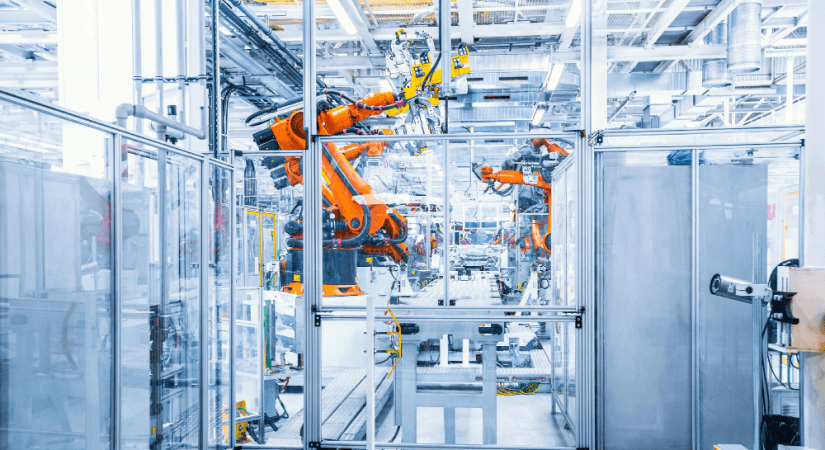
The Cleanroom is like a dream place, where silence, precision, and discipline coexist in perfect harmony. The air is filtered, the temperature is balanced, surfaces gleam with immaculate purpose, and every operator moves with choreographed clarity.
But beneath this quiet perfection lies a truth pharma leaders know well: maintaining sterility is a constant battle. One microscopic slip in environmental control, one untracked deviation, one undetected particle, and the entire batch can fall apart.
Today, the industry has the chance to elevate cleanroom operations from reactive vigilance to intelligent foresight. The catalyst behind this shift is the obvious artificial intelligence. AI for cleanroom and sterility assurance is not merely an upgrade. It is a transformation of how pharma predicts risks, manages contamination, and protects product integrity.
Imagine cleanrooms that think, systems that learn, and sterility assurance programs that evolve in real time. This is where the future of contamination control begins.
Why Sterility Assurance Needs AI More Than Ever?
Even with the most advanced HEPA filtration, strict gowning protocols, and validated procedures, sterility assurance remains one of the most challenging aspects of pharmaceutical manufacturing. Manual environmental monitoring is often slow. Human interpretation of deviations can be inconsistent. And contamination risks frequently hide between lines of data, patterns, and micro-trends that are easy to miss.
AI solves these gaps.
It processes environmental data at a scale humans cannot. It finds abnormalities invisible to traditional monitoring. It predicts contamination risks before they materialize. And it analyzes years of cleanroom behavior in minutes, mapping out patterns that give leaders unprecedented clarity.
In short, AI can turn your cleanrooms into intelligent ecosystems.
How AI Strengthens Cleanroom Monitoring and Sterility Assurance?
Early Identification of Contamination Risks
AI systems learn from continuous streams of environmental monitoring data such as particle counts, pressure differentials, temperature, humidity, and microbial activity. Instead of waiting for a trend to cross a limit, AI detects micro-shifts that hint at early risk. It can identify pressure dips that typically precede contamination events or link specific environmental fluctuations to past deviations.
This transforms sterility assurance from reactive firefighting into proactive contamination control.
Predictive Environmental Behavior
Cleanrooms may look static but their internal environment constantly breathes. Airflow changes, door openings create micro-disturbances, and equipment heat can subtly influence stability.
AI models simulate these behaviors and forecast scenarios such as:
- Peak contamination windows during high operator movement
- Particle spikes during equipment warm-up cycles
- Pressure fluctuation patterns before filter failures
- Impact of seasonal humidity changes on microbial growth
You can finally see environmental shifts before they occur rather than piecing them together after an excursion.
Real-Time Deviation Detection
Traditionally, deviations are caught after sampling, testing, and review. With AI, you can now reverse the timeline. It identifies abnormal behavior in real time and alerts teams instantly.
For example, if microbial counts begin drifting upward during a production shift, AI signals the risk long before the results reach the quality team. If an HVAC parameter deviates just enough to disturb airflow patterns, AI detects it the moment the trend begins. This level of vigilance gives cleanrooms a self-monitoring, always-awake guardian.
Smarter Root Cause Analysis
Root cause analysis often demands long hours of pulling data, cross-checking entries, and interpreting complex patterns manually. AI dramatically accelerates this process by connecting information across equipment logs, environmental monitoring data, operator activity, historical deviations, HVAC performance records, and cleaning cycles.
It uncovers correlations humans may never notice, such as recurring microbial patterns appearing after specific equipment maintenance days or particle spikes linked to seasonal workforce changeovers. AI not only shortens investigations but also strengthens their accuracy, giving sterility teams a sharper, more confident understanding of what truly went wrong and how to prevent it in the future.
Automated Documentation for Sterility Assurance
As you know that documentation is the backbone of sterility assurance, but also one of the biggest bottlenecks.
With the help of AI, you can easily generate:
- EM trend reports
- Deviation summaries
- Risk assessments
- CAPA recommendations
- Audit-ready data narratives
This reduces the hours required for manual reporting and ensures documentation always stays consistent, compliant, and ready for regulatory review.
Operator Behavior Analysis
Human activity contributes significantly to cleanroom contamination, and AI now plays a crucial role in understanding and reducing this risk. By using vision analytics and analyzing operator movement patterns, AI can identify how human behavior impacts sterility. It can detect excessive movement in critical zones, incorrect gowning techniques, unintended contact with sterile equipment, and recurring patterns that lead to contamination events.
These insights empower teams with better training, coaching, and continuous improvement opportunities. The goal is not to create a culture of surveillance but to foster a culture of operational excellence where people and technology work together to strengthen sterility assurance.
How AI Enhances Facility and HVAC Management
Cleanrooms depend on perfectly synchronized HVAC systems. Even a slight disturbance in airflow can compromise sterility.
AI helps by:
- Predicting HEPA filter degradation
- Detecting pressure imbalances before they cause uncontrolled air movement
- Optimizing energy usage without compromising sterility
- Forecasting maintenance needs
- Simulating environmental impact during shutdowns and restarts
Instead of reacting to equipment failure, leaders can maintain cleanroom integrity with foresight and precision.
Challenges to Consider
Here are some of the roadblocks to be considered:
Data Integrity:
AI is powerful but must operate within validated systems. Leaders must ensure AI outputs match regulatory standards and follow GAMP guidelines.
Cybersecurity:
AI-connected systems increase digital exposure. A zero-trust architecture becomes essential to protect cleanroom data and facility controls.
Cross-Functional Collaboration:
AI impacts MSAT, QA, QC, engineering, and even HR training. True adoption requires alignment across all departments.
Adapting to Evolving Regulations:
Regulators worldwide are shaping rules for AI-enabled decision-making. Staying informed and building flexible systems is crucial.
Summing It Up!
AI is transforming cleanrooms from controlled spaces into self-aware environments. It anticipates contamination, stabilizes sterility, and supports teams with insights that were invisible until now. The future is not just about maintaining cleanrooms. It is about elevating them into intelligent guardians of product quality.
With AI, sterility assurance becomes smarter, faster, more reliable, and far more proactive. Pharma leaders like you, who embrace this shift will move ahead with cleanrooms that protect every batch, every patient, and every promise the industry makes.
FAQs
1. How does AI improve cleanroom monitoring?
AI detects small environmental changes that indicate early contamination risks, providing real-time alerts long before traditional monitoring methods.
2. Can AI help reduce human-related contamination?
Yes. AI-based behavior analytics can identify high-risk movement patterns, incorrect gowning practices, and human factors influencing sterility.
3. Is AI reliable for sterility assurance documentation?
AI can generate accurate EM trends, deviation summaries, and risk assessments, ensuring consistent and audit-ready documentation.
4. Does AI support predictive maintenance in cleanrooms?
AI tracks HVAC performance, HEPA filter health, and airflow patterns to forecast failures and reduce downtime.
5. Is AI compliant with regulatory expectations?
Yes, when used within validated systems and aligned with GAMP 5 and emerging AI guidelines from global regulators.