Hantavirus Vs. Common Flu: Understanding The Symptoms And Key Differences
Hantavirus and the flu share early symptoms, but only one can turn deadly. Know the key differences and warning signs.

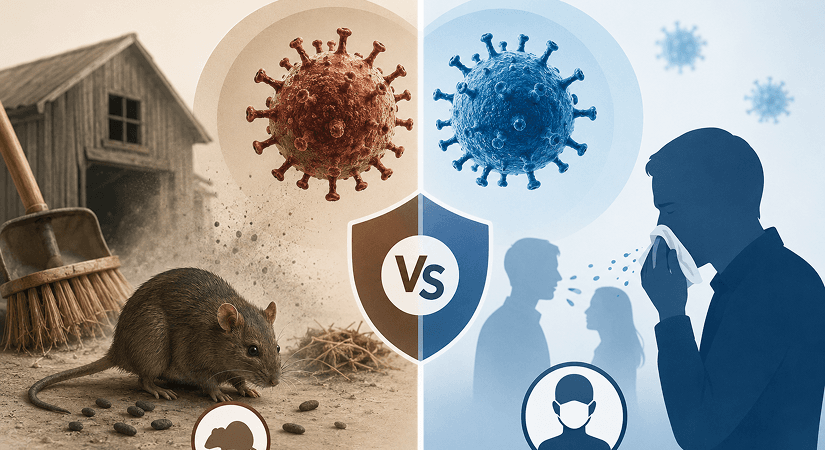
Most of us have experienced the flu at some point. A fever, body aches, chills, fatigue, and a pounding headache are often enough to make us reach for a blanket and assume it's just another seasonal illness. Because influenza is so common, it's easy to attribute any flu-like symptoms to it without much thought.
However, not every illness that starts like the flu is actually influenza. Some infections can mimic the flu in their early stages but become far more serious as they progress. One such illness is hantavirus infection.
Although hantavirus infections are rare, they have attracted growing attention because their symptoms can initially look very similar to those of the common flu. The key difference is that while most people recover from influenza within a week or two, hantavirus can lead to severe respiratory complications if not recognized and treated promptly.
Understanding how these two illnesses differ can help people recognize warning signs, seek medical attention when necessary, and avoid potentially serious health consequences.
What Is Hantavirus?
Hantavirus is a group of viruses that are primarily carried by rodents. People can become infected when they come into contact with infected rodents or materials contaminated by their urine, droppings, saliva, or nesting materials. In many cases, infection occurs when tiny virus particles become airborne and are inhaled while cleaning enclosed spaces where rodents have been active.
This means activities such as cleaning a storage shed, opening an unused cabin, sweeping out a garage, or handling rodent-infested materials can potentially increase the risk of exposure.
While hantavirus infections are uncommon, they can be extremely serious. In some cases, the infection can progress to a condition known as Hantavirus Pulmonary Syndrome (HPS), a severe respiratory disease that affects the lungs and can become life-threatening if not treated quickly.
What Is The Common Flu?
The flu, or influenza, is a contagious respiratory illness caused by influenza viruses. Unlike hantavirus, which is linked to rodent exposure, influenza spreads directly from person to person. The virus is typically transmitted through respiratory droplets released when an infected person coughs, sneezes, or even talks.
Because of how easily it spreads, influenza causes seasonal outbreaks every year and affects millions of people worldwide. Most healthy individuals recover without complications, although certain groups including older adults, young children, pregnant women, and people with weakened immune systems, face a higher risk of severe illness.
Vaccination, good hygiene practices, and avoiding close contact with infected individuals remain some of the most effective ways to reduce the risk of influenza infection.
Why Are Hantavirus And Flu Often Confused?
One reason hantavirus can be difficult to identify early is that its first symptoms closely resemble those of influenza. In the initial stage of infection, many people experience fever, chills, headaches, fatigue, and muscle aches, the same symptoms that commonly occur with the flu.
Because these symptoms are nonspecific and can occur with many viral illnesses, distinguishing between hantavirus and influenza based solely on early symptoms is often impossible. As a result, people may dismiss their symptoms as a routine flu infection, particularly if they are unaware that they were exposed to rodent-contaminated environments.
This is why understanding symptom progression and considering recent environmental exposures are important factors when evaluating flu-like illnesses.
The flu isn't the only virus hiding behind familiar symptoms.
The Andes hantavirus hit different against COVID-19.
→ Read about Andes Virus vs COVID-19
Symptoms Of Hantavirus
The early phase of hantavirus infection usually begins with symptoms that feel very much like a severe flu. Individuals often report feeling unusually exhausted, accompanied by fever, chills, headaches, and significant muscle pain. Interestingly, the muscle pain associated with hantavirus is often most noticeable in the thighs, hips, back, and shoulders.
Digestive symptoms are also common and may include nausea, vomiting, abdominal pain, and diarrhea. These symptoms typically appear between one and eight weeks after exposure to infected rodents.
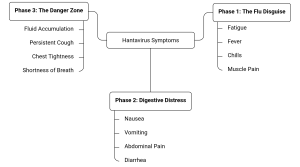
Common early symptoms of hantavirus include:
- Fever
- Chills
- Severe fatigue
- Headache
- Muscle pain, especially in the thighs, hips, back, and shoulders
- Nausea
- Vomiting
- Abdominal pain
- Diarrhea
The most concerning aspect of hantavirus infection is what can happen next. After several days of flu-like symptoms, some patients develop serious respiratory complications. As fluid begins to accumulate in the lungs, breathing can become increasingly difficult.
Warning signs that require immediate medical attention include:
- Persistent coughing
- Shortness of breath
- Chest tightness
- Difficulty breathing
- Rapid worsening of symptoms
The sudden appearance of these symptoms following a flu-like illness should never be ignored, particularly if there has been recent exposure to rodents or rodent-infested environments.
When lungs start filling with fluid, treatments don't guess, they protocol.
This is what respiratory drug management looks like in practice.
→ Read Breztri Dosing for COPD & Asthma - Clinical Guide
Symptoms Of The Common Flu
Influenza symptoms usually appear suddenly and can leave people feeling unwell within a matter of hours. Fever, chills, headaches, body aches, fatigue, and coughing are among the most recognizable signs of the flu. Many people also develop a sore throat and nasal congestion early in the illness.
Typical flu symptoms include:
- Fever
- Chills
- Headache
- Body aches
- Fatigue
- Dry cough
- Sore throat
- Runny or stuffy nose
While influenza primarily affects the respiratory system, some individuals, particularly children may also experience gastrointestinal symptoms.
Some individuals, particularly children, may also experience:
- Nausea
- Vomiting
- Diarrhea
Unlike hantavirus, influenza rarely progresses to severe respiratory failure in otherwise healthy individuals. Most people begin feeling better within several days, although lingering fatigue may continue for a short time after the infection has resolved.
Key Differences Between Hantavirus And Flu
At first glance, hantavirus and influenza can look remarkably similar. However, several important differences can help distinguish between the two.
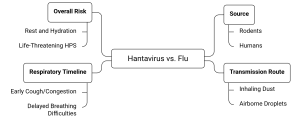
1) Cause Of Infection
- Hantavirus infection is caused by viruses carried by rodents.
- Influenza is caused by influenza viruses that spread among humans.
2) Method Of Transmission
- Hantavirus is usually acquired through exposure to contaminated rodent waste or nesting materials.
- Flu spreads through respiratory droplets released by infected individuals.
3) Respiratory Symptoms
- Flu commonly causes coughing, sore throat, and congestion early in the illness.
- Hantavirus often begins with flu-like symptoms before progressing to severe breathing difficulties later in the disease.
4) Severity
- Most flu cases resolve with rest, hydration, and supportive care.
- Hantavirus can progress to Hantavirus Pulmonary Syndrome, a potentially life-threatening condition requiring urgent medical treatment.
5) Exposure History
- Recent rodent exposure is a major clue that symptoms may be related to hantavirus.
- Recent contact with sick individuals is more suggestive of influenza.
While these differences may seem straightforward, they become especially important when evaluating a person who develops flu-like symptoms after spending time in areas where rodents are present.
When Should You Suspect Hantavirus?
Most cases of fever and body aches are not caused by hantavirus. However, the possibility should be considered when symptoms develop after potential exposure to rodents or rodent-contaminated environments.
For example, someone who recently cleaned an abandoned shed, opened a seasonal cabin, worked in a barn, or handled rodent-infested materials may have an increased risk of infection.
You should seek medical evaluation if you have flu-like symptoms and have recently:
- Cleaned a rodent-infested shed, garage, cabin, or barn
- Handled rodent nests or droppings
- Worked in areas with visible rodent activity
- Camped or stayed in locations where rodents were present
Informing a healthcare provider about these exposures can be extremely valuable because it may help guide testing and diagnosis at an earlier stage.
Diagnosis And Treatment
Diagnosing hantavirus infection can be challenging because the early symptoms overlap with many other illnesses. Healthcare providers generally evaluate a patient's symptoms, recent activities, exposure history, and laboratory findings before confirming the diagnosis.
Diagnosis may involve:
- Review of symptoms
- Assessment of rodent exposure history
- Blood tests
- Chest imaging when respiratory symptoms are present
Currently, there is no specific antiviral treatment approved for Hantavirus Pulmonary Syndrome. Instead, treatment focuses on supportive medical care and managing complications as they arise.
Treatment for severe hantavirus infection may include:
- Oxygen therapy
- Intravenous fluids
- Intensive care monitoring
- Mechanical ventilation when necessary
Influenza, by comparison, is often easier to diagnose and manage. Most patients recover with rest, adequate hydration, and medications that help relieve symptoms. In some cases, antiviral medications may be prescribed to reduce the severity or duration of illness.
Prevention Strategies
Because hantavirus is linked to rodents, prevention focuses on reducing exposure to rodents and their waste. Maintaining clean living spaces, eliminating potential nesting sites, and sealing entry points around homes and buildings can significantly reduce the risk of infection.
To reduce the risk of hantavirus infection:
- Seal openings that allow rodents to enter homes and buildings
- Store food in rodent-proof containers
- Remove potential nesting sites around the property
- Keep indoor and outdoor spaces clean
- Wear gloves and a mask when cleaning rodent-contaminated areas
- Follow recommended disinfection procedures before cleaning droppings
Preventing influenza requires a different strategy because the virus spreads from person to person.
To reduce the risk of influenza:
- Get an annual flu vaccine
- Wash hands frequently
- Cover coughs and sneezes
- Avoid close contact with sick individuals
- Clean frequently touched surfaces
- Stay home when experiencing flu symptoms
These simple preventive measures can go a long way in protecting both individual and public health.
In Conclusion
Although hantavirus and the common flu may start with many of the same symptoms, they are very different illnesses. Influenza is a common viral infection that spreads easily between people and usually resolves without serious complications.
Hantavirus, on the other hand, is a rare but potentially severe infection associated with exposure to infected rodents and contaminated environments.
The most important distinction is that hantavirus can rapidly progress from flu-like symptoms to serious respiratory problems. For this reason, anyone who develops fever, fatigue, and muscle aches after potential rodent exposure, especially if breathing difficulties begin to develop should seek medical attention as soon as possible.
Being aware of these differences can help people recognize warning signs early, receive timely care, and reduce the risk of potentially life-threatening complications.
FAQs
1. How Can You Tell The Difference Between Hantavirus And The Common Flu?
Hantavirus and influenza often begin with similar symptoms such as fever, chills, headache, fatigue, and muscle aches, which can make them difficult to distinguish in the early stages. The key difference is that hantavirus is linked to rodent exposure and can progress to severe breathing difficulties, while influenza typically causes respiratory symptoms such as cough, sore throat, and congestion from the beginning and usually resolves without serious complications. Paying attention to recent environmental exposures and how symptoms evolve over time can provide important clues for early identification.
2. When Should Flu-Like Symptoms Raise Concern For Hantavirus Infection?
Flu-like symptoms should raise concern when they occur after potential exposure to rodents, rodent droppings, nesting materials, or rodent-infested spaces such as sheds, barns, garages, or cabins. If symptoms worsen and are followed by shortness of breath, chest tightness, persistent coughing, or difficulty breathing, immediate medical attention is essential. Early recognition and prompt medical evaluation can significantly improve outcomes in severe cases of hantavirus infection.
3. What Are The Best Ways To Prevent Hantavirus And Influenza?
Preventing hantavirus focuses on avoiding contact with rodents and contaminated materials by sealing entry points, storing food properly, and using recommended safety measures when cleaning areas with rodent activity. Preventing influenza requires a different approach, including annual vaccination, regular handwashing, respiratory hygiene, and avoiding close contact with infected individuals. Although the prevention strategies differ, both illnesses can be significantly reduced through awareness and consistent protective practices.
Reporting on the science, business and regulation shaping the pharmaceutical industry.
More from the Knowledge Hub
All articles →
Pharmaceutical Regulatory Affairs: Challenges, Innovations, and Global Harmonization

Cold Chain Logistics in Pharma: Building Resilient Supply Chains

Discussion