RODENT-BORNE VIRUSES TRACKING INDIA
India's rodent-borne virus burden is vast, undertracked, and commercially underserved. The One Health gap pharma leaders must understand.

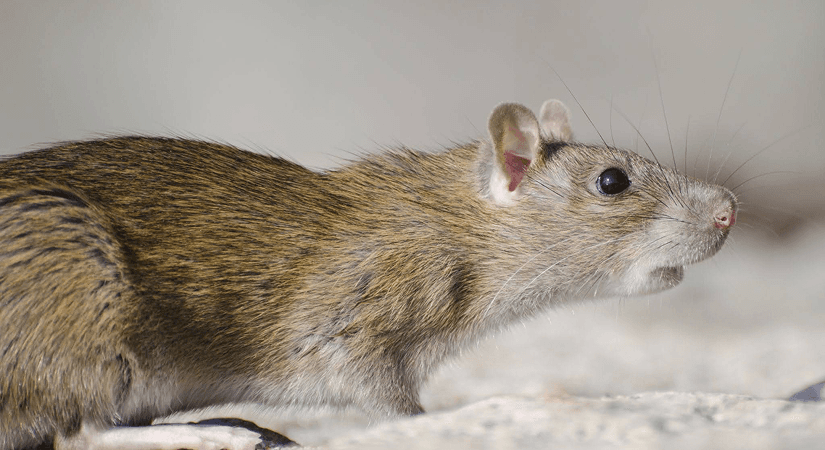
The Silent Reservoirs, the Surveillance Gaps, and the One Health Imperative
Imagine a paddy farmer in Puducherry, returning from the field with a fever that mimics dengue. His platelet count drops. His kidneys falter. The local physician considers malaria, scrub typhus, leptospirosis. No one considers the rodents he brushed past in the grain storage room last week. No one tests for hantavirus.
This scene is not hypothetical. It is a snapshot of a diagnostic blind spot that stretches across India's vast tropical landscape — from the rice belts of Kerala to the flood plains of Assam, from the urban slums of Mumbai to the tribal forest belts of Jharkhand. India is home to 18 documented pest rodent species, carries one of the world's highest densities of synanthropic rodents, and remains one of the few large tropical nations without a dedicated rodent-borne virus surveillance program embedded in its national health architecture.
The consequences of this gap are not theoretical. They are playing out silently, one undifferentiated febrile illness at a time.
This article decodes the landscape of rodent-borne viruses in India, examines the state of surveillance, and presents a roadmap for pharma leaders, policymakers, and public health architects to act before the next outbreak forces the response.
INDIA'S RODENT PROBLEM — SCALE, DIVERSITY, AND DANGER
India's rodent burden is staggering. Eighteen species of rodents are recognized as significant pests in agriculture, horticulture, forestry, animal dwellings, and rural/urban storage facilities across the country. Rodents represent nearly 42% of global mammalian biodiversity, comprising over 2,200 species worldwide, making them the most species-rich order of mammals on Earth.
India's predominant pest rodent is Bandicota bengalensis (lesser bandicoot rat), which has steadily expanded its range from irrigated croplands of Punjab, Madhya Pradesh, Gujarat, Andhra Pradesh, and Karnataka to newer biomes including arid zones and northeastern hill regions. The common house rat, Rattus rattus, remains ubiquitous across the subcontinent. Rattus norvegicus (Norway rat) dominates urban sewers and port areas. In the Andaman and Nicobar Islands, four previously unrecorded rodent species — including Rattus tanezumi andamanensis and Bandicota bengalensis — have been identified in recent ecological surveys.
The economic toll is substantial: rodent damage to crops and stored food in India is estimated at approximately US $5 billion annually, and infestations of rice, wheat, sugarcane, and groundnut have been documented at 5–15% damage rates in a single crop season. But the public health toll remains chronically underestimated.
KEY FACT: As of April 2025, approximately 15,205 rodent-associated viruses have been identified globally across 32 viral families. Among these, key zoonotic agents belong to the Arenaviridae, Hantaviridae, Picornaviridae, Coronaviridae, and Poxviridae families (Viruses, PMC 2025).
THE ROGUES' GALLERY — RODENT-BORNE VIRUSES OF CONCERN IN INDIA
HANTAVIRUS: FROM VELLORE, 1964, TO THE GLOBAL STAGE, 2026
The story of hantavirus in India begins with a discovery so old it is often forgotten. In 1964, the Thottapalayam virus (TPMV) was first isolated at the Christian Medical College (CMC), Vellore, Tamil Nadu, from a Suncus murinus (Asian House Shrew) by Carey et al. TPMV is now recognized as the oldest known hantavirus in scientific literature — and the only hantavirus strain indigenous to the Indian subcontinent. Yet, for decades, its clinical significance in India was left largely unexplored.
Decades passed before the clinical story began to assemble. A landmark pilot study by Chandy et al. (2005), published in the Indian Journal of Medical Research, provided the first serological evidence of hantavirus infection in febrile patients in southern India. A 2008 serological and molecular survey of rodents from South India — published in the International Journal of Infectious Diseases — studied 54 rodents including Rattus rattus, Bandicota species, and Mus musculus, providing the first confirmation of an animal reservoir for hantaviruses on the Indian subcontinent.
The 2009 Indian Journal of Medical Microbiology carried the first formally documented Indian clinical hantavirus case: a 46-year-old quarry worker from South India presenting with fever, abdominal pain, jaundice, thrombocytopenia, and renal dysfunction. Seroconversion and rising anti-hantavirus IgG titers confirmed the diagnosis. A subsequent case report described a 30-year-old postpartum woman with hantavirus-associated acute respiratory distress syndrome (ARDS) and multi-organ dysfunction — a presentation not previously recorded in India.
Most recently, in May 2026, global alarm was triggered by a Hantavirus (Andes strain) cluster linked to the MV Hondius cruise ship, which resulted in a limited number of infections and three deaths. Two of the patients were Indian nationals. ICMR's National Institute of Virology Director Dr. Naveen Kumar confirmed these as isolated cases with no evidence of community spread in India (Outlook India, May 2026).
HANTAVIRUS GLOBAL BURDEN SNAPSHOT (2023–2025)
• European Region (2023): 1,885 cases (0.4 per 100,000) — lowest recorded from 2019 to 2023
• East Asia: Over 10,000 HFRS (hemorrhagic fever with renal syndrome) cases annually
• United States: 864 hantavirus infections reported between 1993 and 2022, with approximately 302 deaths
• India: No confirmed community outbreaks; seroprevalence documented in South India and northeastern tribal populations; no routine inclusion in national surveillance panels
India isolated the world's oldest known hantavirus in 1964.
What happened in the six decades since is a story of missed signals.
→ What Do We Know About Hantavirus In India?
LEPTOSPIROSIS: THE RODENT-BORNE DISEASE INDIA CANNOT IGNORE
Leptospirosis is the world's most widespread zoonotic disease. Globally, it causes more than 1.03 million severe cases and approximately 58,900 deaths annually (WHO Leptospirosis Burden Epidemiology Reference Group). In tropical regions, incidence is approximately ten times higher than in temperate zones — and India sits squarely in the epicenter of global burden.
The Andaman and Nicobar Islands bear India's highest leptospirosis burden, with incidence rates of 50–65 cases per 100,000 persons per year and a seroprevalence of 52.7%. Kerala, Gujarat, Karnataka, Maharashtra, and Tamil Nadu are the other endemic states identified in a comprehensive mathematical model published in Scientific Reports (2023), which analyzed the role of rainfall, agricultural practices, flooding, and climate in driving transmission.
A retrospective study published in the Indian Journal of Medical Microbiology (2024) examined 518 samples from patients in Madhya Pradesh with hepatitis-related symptoms — a historically non-endemic state — and found 13.12% IgM seroprevalence for leptospirosis, with higher incidence during monsoon and post-monsoon months. This finding is a critical signal: leptospirosis is expanding its footprint into central India.
A meta-analysis of Indian data found the highest animal seroprevalence in buffalo (45.75%), followed by rodents (40%), dogs (26%), cows (24.26%), goats (19.42%), and pigs (15.8%). Rodents are the definitive maintenance hosts — they carry and excrete Leptospira through urine throughout their lifetime without becoming ill, contaminating water and soil for extended periods.
SCRUB TYPHUS AND RODENT-VECTOR CO-INFECTION DYNAMICS
While Orientia tsutsugamushi (the causative agent of scrub typhus) is technically transmitted by trombiculid mite larvae rather than by rodents directly, rodents serve as the primary amplifying reservoir host for the mite population. India's scrub typhus burden has escalated sharply in the past decade, with the Lancet Regional Health Southeast Asia analysis (2025) identifying Northeast India and Southern India as high-cluster regions between 2018 and 2023.
A 2023 study published in PLoS Neglected Tropical Diseases examined household rodents in Mizoram, Northeast India, documenting high seroprevalence of scrub typhus and other rickettsial diseases in Rattus spp., with chigger infestation indices of 12.3–19.2 per rodent in Mizoram — far exceeding the critical threshold of 0.69. Meghalaya recorded an index of 1.80. These figures explain why scrub typhus outbreaks concentrated in the post-monsoon months in Northeast India follow the seasonal dynamics of rodent population expansion.
A parallel study at ICMR-Vector Control Research Centre (VCRC), Puducherry (published in Transactions of the Royal Society of Tropical Medicine and Hygiene, September 2024), conducted a molecular survey of zoonotic pathogens in rodents and shrews and their ectoparasites in Puducherry, detecting multiple zoonotic pathogens within synanthropic reservoir hosts and vectors — confirming the multi-pathogen risk posed by India's urban rodent population.
THE SURVEILLANCE ARCHITECTURE — GAPS THAT DEFINE THE RISK
India's public health surveillance apparatus is anchored by the Integrated Disease Surveillance Programme (IDSP), managed by the National Centre for Disease Control (NCDC) under the Ministry of Health and Family Welfare. Launched in 2004, IDSP uses a syndromic-presumptive-laboratory (S-P-L) reporting framework from district to national level.
CRITICAL FINDING: A cross-sectional analysis of IDSP weekly outbreak reports published in The Lancet Regional Health — Southeast Asia (May 2025), examining data from 2018 to 2023, identified devastating structural gaps. Follow-up reports were unavailable for 97.2% of zoonotic disease outbreaks notified during this period. The majority — 94.2% — of high-cluster districts in 2022–23 were concentrated in just two regions: Southern India and Northeast India.
"A One Health approach, involving intersectoral coordination between human, animal, and environmental health sectors, is essential to improve early detection, timely response, and overall outbreak management."
— The Lancet Regional Health Southeast Asia, May 2025 (Zoonotic IDSP Analysis, 2018–2023)
India's ICMR Virus Research and Diagnostic Laboratory Network (VRDLN), which expanded to 165 laboratories across 29 states and union territories since 2013, represents a critical infrastructure asset. However, a 2021 qualitative study published in BMC Public Health (operationalizing One Health in India) found that conflicting departmental priorities, limited institutional capacity, and a lack of supportive policies significantly constrained cross-sectoral convergence between human health, animal health, and environmental agencies.
The result is that India's surveillance system — formidable against well-known vectors like dengue and cholera — remains functionally blind to rodent-borne viruses circulating quietly in its most vulnerable communities.
CLIMATE CHANGE, URBANIZATION, AND THE EXPANDING RISK PERIMETER
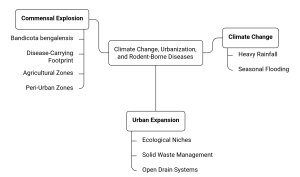
The forces driving India's rodent-borne disease burden are not static. Two mega-trends — climate change and rapid urbanization — are actively reshaping the risk landscape in ways that demand forward-thinking public health strategy.
CLIMATE CHANGE AND RODENT POPULATION DYNAMICS
Monsoon rains, vegetation density, and seasonal flooding directly influence rodent population size, movement, and breeding patterns. In the post-monsoon period, when floodwaters recede and contaminated soil becomes exposed, Leptospira-carrying rodents move into human habitation in search of food. In Northeast India, a high-rainfall environment with documented chigger infestation indices of 12.3–19.2 per rodent in Mizoram, the annual scrub typhus burden peaks between August and November — a pattern closely tracked by the IDSP Lancet analysis (2025).
Studies drawing parallels from Argentina (Pathogen Ecology, 2024) demonstrate that rapid, synchronous increases in rodent abundance — driven by rainfall-linked food availability — can anticipate hantavirus outbreak clusters by months. India lacks equivalent early warning systems.
"Climate change and faulty garbage disposal are factors that increase rodent population. From India's perspective, leptospirosis remains a far bigger rodent-borne threat."
— Dr. R. Jayadevan, Referenced in Outlook India, May 2026
URBANIZATION AND THE COMMENSAL RODENT EXPLOSION
India's urban expansion is creating ideal conditions for synanthropic rodent proliferation. The replacement of Rattus rattus by Bandicota bengalensis as the dominant urban pest in metropolitan cities, the spread of Bandicota bengalensis into canal-irrigated agricultural regions stretching from Punjab to Rajasthan, and the opening of new ecological niches through construction activity — all represent active vectors of disease expansion.
Poorly managed solid waste, open drain systems, and the proximity of urban slum housing to sewer infrastructure create the precise conditions under which Rattus norvegicus, the primary urban carrier of Seoul hantavirus and Leptospira interrogans serovar Icterohaemorrhagiae, thrives. The combination of rapid population growth in peri-urban India and structural sanitation deficits is a proven recipe for escalating rodent-borne zoonotic risk.
DIAGNOSTIC CHALLENGES — THE INVISIBLE DISEASE PROBLEM
The most insidious challenge in rodent-borne viral disease management in India is the near-impossibility of clinical diagnosis without specific laboratory confirmation — and the near-absence of such confirmation outside a handful of elite research institutions.
Hantavirus infection, for example, presents with fever, myalgia, thrombocytopenia, and renal dysfunction — an almost identical clinical profile to dengue hemorrhagic fever, scrub typhus, leptospirosis, and severe falciparum malaria. A 2016 case report from Christian Medical College, Vellore, described a quarry worker with this exact presentation who was eventually confirmed as hantavirus-positive, but only through a meticulous serological workup that most district hospitals in India cannot perform (MSN Health, 2026 report citing CMC Vellore case series).
Laboratory confirmation for hantavirus requires:
• Serological testing for hantavirus-specific IgM antibodies
• Rising IgG titers in convalescent serum (paired samples)
• RT-PCR during the acute phase of illness (processed under maximum biological containment)
India has the diagnostic infrastructure at the top level — ICMR-NIV with its BSL-3 capacity and 165 VRDL laboratories. But hantavirus-specific RT-PCR and serological assays are not universally deployed across this network, creating critical detection gaps in rural and tribal belt regions where rodent exposure is highest.
For leptospirosis — a bacterial zoonosis — the diagnostic ladder is better established, yet still fragmented. The microscopic agglutination test (MAT), considered the gold standard, is available at only select reference laboratories. Many district-level clinicians rely on the Leptospira IgM ELISA, which, while reasonably sensitive, is subject to cross-reactivity with other tropical pathogens.
ONE HEALTH IN INDIA — THE POLICY IMPERATIVE
The One Health framework — the recognition that human, animal, and environmental health are inextricably linked — is not a new idea in India. The IDSP has worked to include veterinary officers in State and District Rapid Response Teams, with 25 states reporting inter-sectoral coordination with animal husbandry departments. The NCDC publishes a national list of Zoonotic Diseases of Public Health Importance.
But on the ground, the architecture of convergence is still fragile. A 2021 mixed-methods study published in BMC Public Health examined facilitators and barriers to cross-sectoral collaboration in India's zoonotic disease management (Operationalising One Health in India). The findings are instructive: global zoonoses with pandemic potential — such as those flagged by WHO or CDC — enjoy policy visibility, while locally endemic, high-burden rodent-borne diseases like leptospirosis are given comparatively little institutional attention.
The IDSP Lancet analysis (2025) confirmed this: the IDSP recorded increasing scrub typhus and leptospirosis outbreaks consistently across the 2018–2023 period, yet a pandemic-driven dip in 2020–2021 was followed by an escalation in 2022–23 — a pattern suggesting structural underreporting rather than genuine incidence reduction during COVID-19.
THE PHARMA OPPORTUNITY — DIAGNOSTICS, THERAPEUTICS, AND VACCINES
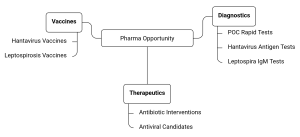
The commercial landscape for rodent-borne virus-related pharmaceutical products in India is nascent but growing in urgency. For pharma and diagnostics companies, the surveillance gap represents both a market failure and a strategic entry point.
DIAGNOSTICS
Point-of-care (POC) diagnostics for leptospirosis, hantavirus, and scrub typhus remain the largest unmet need. The current reliance on reference laboratory-based MAT and RT-PCR is untenable in rural and district-level healthcare. Rapid diagnostic tests (RDTs) for leptospira IgM, validated for India's circulating serovars (Icterohaemorrhagiae, Shermani, Hardjo), represent a high-impact opportunity for diagnostic companies. Similarly, a field-deployable hantavirus antigen detection test would be transformative in high-risk tribal and agricultural communities.
THERAPEUTICS
Leptospirosis responds to antibiotic therapy (doxycycline, penicillin, ceftriaxone), and mild cases can be managed at the primary care level if diagnosed promptly. The challenge is not drug availability but diagnostic delay. Hantavirus, however, has no approved antiviral therapy — supportive care remains the standard. Ribavirin has shown limited efficacy in HFRS (not HPS) in some trials. New antiviral candidates targeting hantavirus RNA-dependent RNA polymerase are in early-stage research globally. For Indian pharma, there is a real opportunity to engage in partnership-based clinical research with ICMR-NIV on antiviral candidates for HFRS.
VACCINES
China and South Korea have licensed inactivated whole-virus hantavirus vaccines used in high-burden endemic areas (primarily targeting HFRS caused by Hantaan and Seoul viruses). No hantavirus vaccine is currently approved in India, the United States, or Europe. The 2026 MV Hondius cruise ship cluster (Andes strain) has re-energized global interest in hantavirus vaccine development. India-specific vaccine development, given the presence of the indigenous Thottapalayam virus and emerging clinical hantavirus cases, represents a compelling area for ICMR-pharma collaboration.
For leptospirosis, a human vaccine is available in Cuba (VAX-SPIRAL) and has been used in controlled epidemiological interventions. India has explored leptospira vaccines in veterinary settings but no national human immunization program exists. PHARMA ALERT: A validated, heat-stable leptospirosis human vaccine targeting India's predominant serovars would address one of the country's most neglected tropical disease burdens.
India's rodent-borne virus problem doesn't exist in isolation.
The global hantavirus story puts the local risk in full context.
→ What Is Hantavirus | A Global Threat You Need To Know
FAQs
Q1. Has India ever had a confirmed hantavirus outbreak?
No confirmed community outbreak of hantavirus has been documented in India to date. However, serological evidence of hantavirus exposure has been recorded in multiple studies — including among the Irula tribal population in Tamil Nadu (2012) and quarry workers and agricultural laborers in South India across case reports from 2009 to 2016 (CMC Vellore series, Indian J Med Microbiol). The oldest known hantavirus — the Thottapalayam virus — was first isolated in India in 1964. The ICMR-NIV Director confirmed in May 2026 that two Indian nationals infected aboard the MV Hondius cruise ship represent isolated cases with no community spread in India.
Q2. Why is leptospirosis called India's "forgotten tropical disease"?
Leptospirosis is described as forgotten because, despite causing over 1 million global cases and nearly 59,000 deaths annually (WHO), it receives disproportionately little policy, research, and diagnostic investment compared to its burden. In India, it primarily affects the poorest communities — agricultural workers, flood-affected slum residents, sewage workers — populations with limited political voice. The disease's non-specific clinical presentation (fever, myalgia, headache) leads to chronic misclassification as dengue or malaria. A 2024 study revealed that leptospirosis is now being identified in previously unrecognized states like Madhya Pradesh, signaling expanding geographic reach.
Q3. What is the significance of the chigger infestation index in Northeast India for rodent-borne disease risk?
The chigger infestation index measures the number of trombiculid mite larvae (chiggers) per rodent and serves as a proxy indicator for scrub typhus transmission risk. The critical threshold is 0.69 chiggers per rodent. Mizoram's documented indices of 12.3 to 19.2 per rodent — nearly 18 to 28 times the critical threshold — explain the region's high scrub typhus burden. Since rodents are the primary reservoir and amplifying host for the mite population (and thus for Orientia tsutsugamushi transmission to humans), controlling rodent density in Northeast India is directly linked to controlling scrub typhus risk (PLoS NTD, 2023).
Q4. What does India's IDSP surveillance gap mean for pharma companies operating in public health?
The IDSP's documented failure to complete follow-up reports for 97.2% of zoonotic outbreaks between 2018 and 2023 (Lancet Regional Health SE Asia, 2025) means that case fatality rates, transmission chains, clinical profiles, and burden estimates for most rodent-borne diseases in India are essentially unknown. For pharma companies, this creates a dual challenge: under-recognized market size for diagnostics and therapeutics, and under-appreciated outbreak risk in communities where their products and employees operate. It also represents a clear opportunity for public-private partnerships in surveillance strengthening through the ICMR or NCDC.
Q5. How should pharma leaders contextualize the global hantavirus 2026 alert for India operations?
The May 2026 MV Hondius cruise ship hantavirus cluster — involving the Andes strain — triggered WHO-level monitoring but was assessed as low global public health risk. For India specifically, ICMR-NIV confirmed no community spread from the two affected Indian nationals. However, the event should serve as a strategic trigger for pharma leaders to: (a) commission seroprevalence surveys in high-exposure communities (farmers, quarry workers, grain storage workers); (b) advocate for hantavirus inclusion in IDSP and VRDL surveillance panels; (c) explore diagnostic and vaccine development partnerships with ICMR; and (d) train their field medical teams in hantavirus differential diagnosis, given the virus's overlap with dengue and leptospirosis presentation.
REFERENCES & CITATIONS
1. Eikenbary B, Devaraju P, Chakkravarthi A, et al. A molecular survey of zoonotic pathogens of public health importance in rodents/shrews and their ectoparasites trapped in Puducherry, India. Trans R Soc Trop Med Hyg. 2024 Sep 2;118(9):616–624. doi:10.1093/trstmh/trae033
2. PMC / Viruses. The Hidden Threat: Rodent-Borne Viruses and Their Impact on Public Health. PMC12197361. Published online 2025. Corrected version October 21, 2025.
3. Kumar P (IDSP / NCDC), Lancet Regional Health Southeast Asia. Zoonotic disease outbreaks reported under India's Integrated Disease Surveillance Programme, 2018–2023: a cross-sectional analysis of national surveillance data. Lancet Reg Health SE Asia. May 2025. PMC12148586. doi noted.
4. Duong V, Morand S, Buchy P. Editorial: Rodent-borne diseases — "One Health" perspectives. Front Vet Sci. 2025 Apr 22. doi:10.3389/fvets.2025.1602402. PMC12052939.
5. Scientific Reports. Modeling the dynamics of leptospirosis in India. Sci Rep. 2023;13:19802. doi:10.1038/s41598-023-46326-2. PMC10643689.
6. Microbiologyjournal.org. Epidemiological Status of Leptospirosis in India. J Pure Appl Microbiol. December 2023. doi noted.
7. Indian Journal of Medical Microbiology. Leptospirosis in central India: A retrospective study. Indian J Med Microbiol. 2024;51:100695.
8. WHO. Hantavirus — Fact Sheet. Updated 2025. Available at: who.int/news-room/fact-sheets/detail/hantavirus
9. WHO. Nipah Virus Infection — India. Disease Outbreak News, July 2025. DON577. who.int
10. WHO. Nipah Virus Infection — India (West Bengal). Disease Outbreak News, January 2026. DON593. who.int
11. Vanramliana, Pautu L, Lalmalsawma P, et al. Seroprevalence of scrub typhus and other rickettsial diseases among household rodents of Mizoram, Northeast India. PLoS Negl Trop Dis. 2023 Nov;17(11):e0011688. doi:10.1371/journal.pntd.0011688
12. Pharmanow.live. What Do We Know About Hantavirus In India? Knowledge Hub, Market Trends. May 2026. Available at: pharmanow.live
13. Outlook India. Hantavirus Outbreak Sparks Global Concern: Should India Be Worried? May 2026.
14. Ferro I, Lopez W, Cassinelli F, et al. Hantavirus Pulmonary Syndrome Outbreak Anticipation by a Rapid Synchronous Increase in Rodent Abundance. Pathogens. 2024;13(9):753. doi:10.3390/pathogens13090753. PMC11435250.
15. Chandy S, et al. Hantavirus infections in India. Emerg Infect Dis. 2005; Indian J Med Res. 2008/2009. [Series of publications from CMC Vellore establishing India's hantavirus clinical and serological record.]
16. RSTMH Blogs. Leptospirosis in India: a forgotten tropical disease. Available at: rstmh.org
17. Operationalising the One Health approach in India. BMC Public Health. 2021. PMC8342985.
18. Springer Nature / Integrated Pest Management Reviews. Rodent Control in India. doi:10.1023/A:1009622109901
19. ICMR-CAZRI / Ministry of Agriculture. All India Network Project on Rodent Control. Available at: cazri.res.in
20. Medical Dialogues. Hantavirus risk remains low, no confirmed cases in India. May 2026.
21. J Pure Appl Microbiol. Emerging Zoonotic Viral Diseases in India: One Health Perspective. 2025;19(1):34–48. doi:10.22207/JPAM.19.1.40
© 2026 Managing Editor Intelligence. All rights reserved.
For pharma and public health leadership audiences. This article does not constitute medical advice. All clinical decisions must involve qualified healthcare professionals.
Reporting on the science, business and regulation shaping the pharmaceutical industry.
More from the Knowledge Hub
All articles →
Pharmaceutical Regulatory Affairs: Challenges, Innovations, and Global Harmonization

Cold Chain Logistics in Pharma: Building Resilient Supply Chains

Discussion