Leadership When the Bench Is Thin: Rolling Up Your Sleeves in Drug Discovery and Development
A deep look at leadership in drug development during understaffed periods, where execution, trust, and talent growth matter most.
20260108191929.webp&w=1920&q=75&dpl=dpl_DBpSA5K4vHC4UUGhboeG7FmE5z5L)
In drug discovery and drug development, understaffed periods are not the exception—they are the norm. Funding cycles fluctuate. Pipelines accelerate unexpectedly. Clinical timelines compress. Facilities expand faster than headcount approvals. Teams are asked to do more with less, often for longer than planned.
In these moments, leadership is not about titles, delegation charts, or polished presentations. Leadership shows up in behavior. It shows up in the lab, in meetings, in document reviews at night, and in the way leaders choose to engage with both the work and the people doing it. Innovative leadership is essential when teams are understaffed.
True leadership during understaffed times means rolling up your sleeves and getting into the project while simultaneously building the next layer of leadership beneath you.
Understaffed Does Not Mean Under-Led
There is a dangerous assumption in some organizations that once a leader is promoted, their value comes solely from strategy, oversight, and decision-making while execution is something to be “handled by the team.” In reality, during periods of constraint, this separation weakens teams.
In drug discovery and development, credibility matters. Scientists, clinicians, regulatory professionals, manufacturing leads, and quality experts can tell immediately whether a leader understands the work or is managing from a distance.
When headcount is thin, leaders who stay abstract create friction. Leaders who engage create momentum. Ethical leadership builds credibility and trust with scientific teams.
Rolling up your sleeves does not mean micromanaging. It means:
- Reviewing protocols and reports when bandwidth is tight
- Sitting in cross-functional meetings prepared to contribute, not just approve
- Understanding the technical risks well enough to help unblock them
- Being visible when timelines slip or pressure mounts
Teams notice this immediately. Trust builds faster when people see that leadership is not insulated from the workload.
The Dual Responsibility: Execution and Development
One of the most overlooked responsibilities of leadership during understaffed periods is talent development. When roles remain open for months, leaders often fall into survival mode doing the work themselves and postponing development conversations until “things calm down.”
But things rarely calm down in this industry.
The more effective approach is dual-track leadership:
- Contribute directly to execution
- Actively prepare internal talent to step up
Every open role creates strain, but it also creates opportunity. Inside most organizations, there is at least one individual who is close to ready someone with the skills, curiosity, and work ethic to grow into a larger role with the right guidance.
Strong leaders screen for that readiness continuously. Talent development must continue even when the bench is thin.

Looking Inward Before Looking Outward
External hiring is essential in drug development, especially for specialized expertise. But during understaffed times, leaders should always ask:
- Is there someone internally who could stretch into this role?
- Who is already demonstrating ownership beyond their title?
- Who asks better questions, not just more questions?
- Who absorbs complexity rather than deflects it?
Promoting or developing from within does more than fill a gap, it sends a message about culture. It tells the organization that growth is recognized, that effort matters, and that leadership is paying attention.
This does not mean lowering the bar. It means pairing expectations with support.

Training Is Not a Luxury, It Is a Stabilizer
Training is often the first thing sacrificed when teams are short-staffed. That is a mistake.
In drug discovery and development, errors compound. Training in pharma reduces costly rework and regulatory risk. A misunderstanding in early research can echo through IND-enabling work. A rushed document can trigger regulatory delays. A poorly trained team member can create rework that costs months.
Leaders who apply training principles even informally reduce long-term risk.
This does not require formal programs or weeks offsite. It requires:
- Clear explanation of “why,” not just “what”
- Context around decisions, not just outcomes
- Exposure to how leaders think through tradeoffs
- Feedback loops that are timely and specific
When leaders work alongside their teams, training happens organically. People learn by observing how problems are framed, how priorities are set, and how pressure is handled.
Culture Is Built in the Hard Moments
Culture is not defined when everything is staffed, funded, and on schedule. Culture is revealed when it is not.
Understaffed periods expose leadership habits quickly:
- Do leaders stay calm or become reactive?
- Do they protect their teams or deflect pressure downward?
- Do they communicate clearly or disappear?
- Do they treat people as resources or as professionals?
These moments are remembered long after the hiring gap is closed. Organizational culture is revealed most clearly in hard moments.
A leader who is present, transparent, and willing to shoulder responsibility creates loyalty that cannot be manufactured later. A leader who distances themselves during pressure erodes trust that may never fully return.
The First 30–60 Seconds: The Subconscious Decision
Human beings make judgments fast much faster than we admit.
Within the first 30 to 60 seconds of meeting someone, we subconsciously decide whether we like them, trust them, or feel comfortable around them. The next 30 to 60 minutes are often spent validating that initial decision.
Leadership is no different.
When a leader walks into a room whether it’s a lab, a manufacturing floor, or a conference call—their presence communicates something immediately:
- Are they engaged or distracted?
- Do they listen or wait to speak?
- Are they grounded or performative?
- Do they respect the work being done?
These signals matter even more during understaffed periods, when stress is high and patience is thin.
Leaders who understand this dynamic are intentional. They know that tone, body language, and preparation shape perception before a single word is spoken.
Consistency Builds Credibility
People do not expect leaders to be perfect. They expect them to be consistent.
In drug development, where teams may interact across functions, time zones, and phases of development, consistency becomes a stabilizing force. Leaders who show up the same way whether things are going well or poorly become anchors for their teams. Effective leadership depends on consistent behavior over time.
Consistency looks like:
- Following through on commitments
- Admitting when something is unclear
- Applying standards evenly
- Giving credit publicly and feedback privately
During understaffed times, consistency reduces anxiety. Teams know what to expect, even when outcomes are uncertain.
Screening for Fit: Skills, Culture, and Leadership Potential
When filling open roles internally or externally leaders must think beyond immediate skill needs. Under pressure, it is tempting to hire for speed alone. That often backfires.
Effective leaders screen candidates through three lenses:
- Skills – Can they do the work today or learn it quickly?
- Culture – How do they behave under pressure?
- Leadership potential – Will they elevate others or require constant management?
In understaffed environments, every hire has an outsized impact. One strong addition can lift a team. One poor fit can drain it.
Leaders who have been in the trenches understand this intuitively. They value humility, adaptability, and accountability as much as technical expertise.
Leading by Example Is Not Optional
In drug discovery and development, teams are often composed of highly trained professionals. They do not need to be told to work hard. They need to know their effort matters and is shared.
When leaders are willing to:
- Stay late when deadlines loom
- Take on unglamorous tasks
- Own mistakes publicly
- Advocate for their teams
They set a standard that others naturally follow.
This is not about heroics. It is about alignment. When leaders model the behavior they expect, teams move together.

The Long View: Building Resilient Teams
Understaffed periods eventually pass. Hiring catches up. Budgets stabilize. Pipelines mature. But the leadership choices made during lean times leave permanent marks.
Teams remember who:
- Invested in them
- Prepared them for growth
- Trusted them with responsibility
- Treated them with respect
The strongest drug development organizations are not those that avoid staffing challenges. They are the ones whose leaders use those challenges to build deeper capability and stronger culture.
Final Thought
Leadership in drug discovery and development is tested most when resources are limited and expectations are high. In those moments, leadership is not theoretical it is visible, tangible, and deeply human. Rolling up your sleeves does not diminish authority. It strengthens it. Training others while carrying the load does not slow progress. It accelerates it. And remembering that people decide how they feel about leadership in the first 30 to 60 seconds reminds us that leadership is always on display especially when it matters most.
In the end, the science may move the molecule forward, but leadership moves the team forward.
FAQs
1. What is leadership in drug discovery and development, and why is it critical during understaffed periods?
Leadership in drug discovery and development refers to guiding scientific, clinical, regulatory, and manufacturing teams through complex, high-risk projects. During understaffed periods, leadership becomes critical because leaders must balance execution with decision-making, maintain scientific credibility, manage compressed timelines, and support team morale. Effective leaders actively engage in the work, build trust, and ensure progress even when resources are limited.
2. How does effective leadership impact drug discovery and development in pharmacology?
In pharmacology, drug discovery and development depend on precision, compliance, and cross-functional collaboration. Strong leadership ensures alignment between research, clinical development, regulatory strategy, and manufacturing. During resource constraints, hands-on leadership reduces errors, improves knowledge transfer, mitigates regulatory risk, and accelerates problem-solving, directly influencing development timelines and success rates.
3. What is drug discovery and development, and how do leaders influence its success?
Drug discovery and development is the end-to-end process of identifying a therapeutic target, discovering a lead compound, conducting preclinical and clinical studies, and securing regulatory approval. Leaders influence success by setting priorities, managing risk, enabling talent development, and creating a culture of accountability. In understaffed environments, leaders who “roll up their sleeves” help unblock scientific and operational challenges faster.
4. How has leadership evolved in the history of drug discovery and development?
Historically, leadership in drug discovery and development was hierarchical and siloed. Over time, increasing regulatory complexity, accelerated pipelines, and global collaboration have shifted leadership toward hands-on, cross-functional, and people-centric models. Modern pharma leadership emphasizes execution, transparency, training, and cultural resilience—especially during periods of staffing shortages.
5. What skills define strong leaders in lead drug discovery and development teams today?
Strong leaders in lead drug discovery and development combine technical understanding with emotional intelligence. Key skills include scientific credibility, decision-making under pressure, talent development, clear communication, and consistency. Leaders who model accountability, support training, and actively participate in execution are better equipped to build resilient teams and sustain progress during understaffed phases.
Reporting on the science, business and regulation shaping the pharmaceutical industry.
More in Leadership
All articles →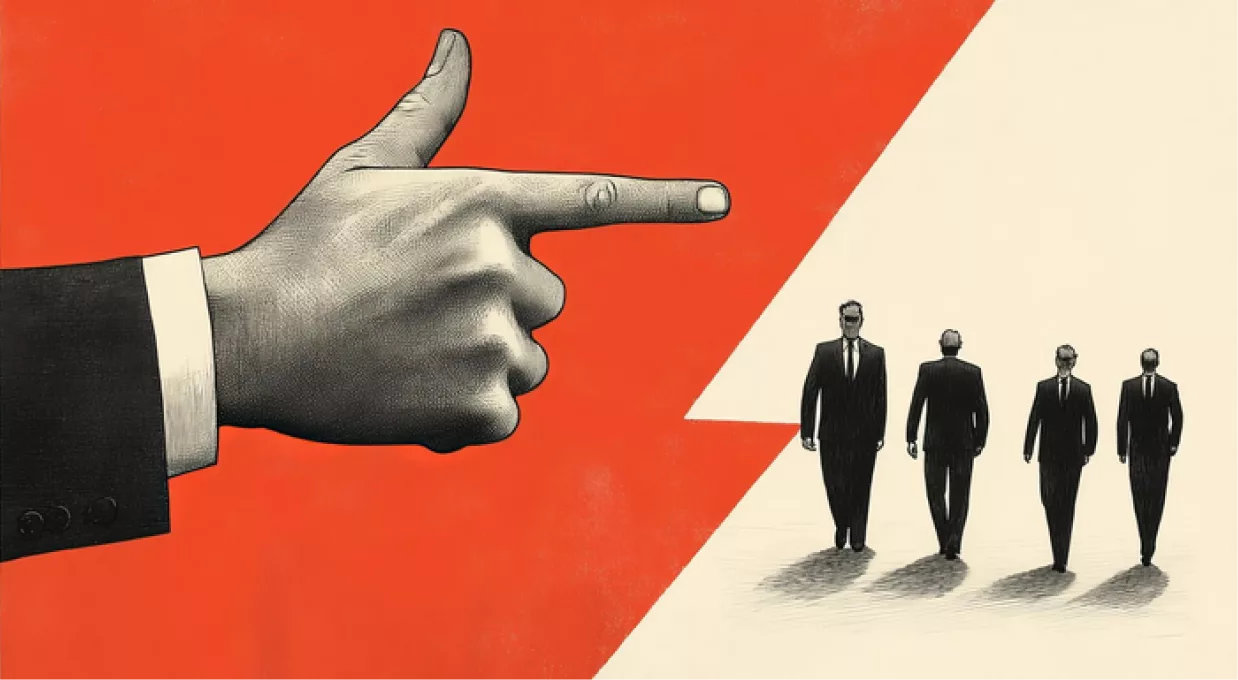
Essential Leadership Skills for Success in the Pharmaceutical Industry
Pharmaceutical Regulatory Affairs: Roles, Skills, and Roadmap

Discussion