by Simantini Singh Deo
6 minutes
2026 Forecast: Direct-To-Pharmacy Sales Redefine Pharmaceutical Marketing
How direct-to-pharmacy sales are reshaping pharmaceutical marketing in 2026 through data, digital tools, and patient-centric strategies.
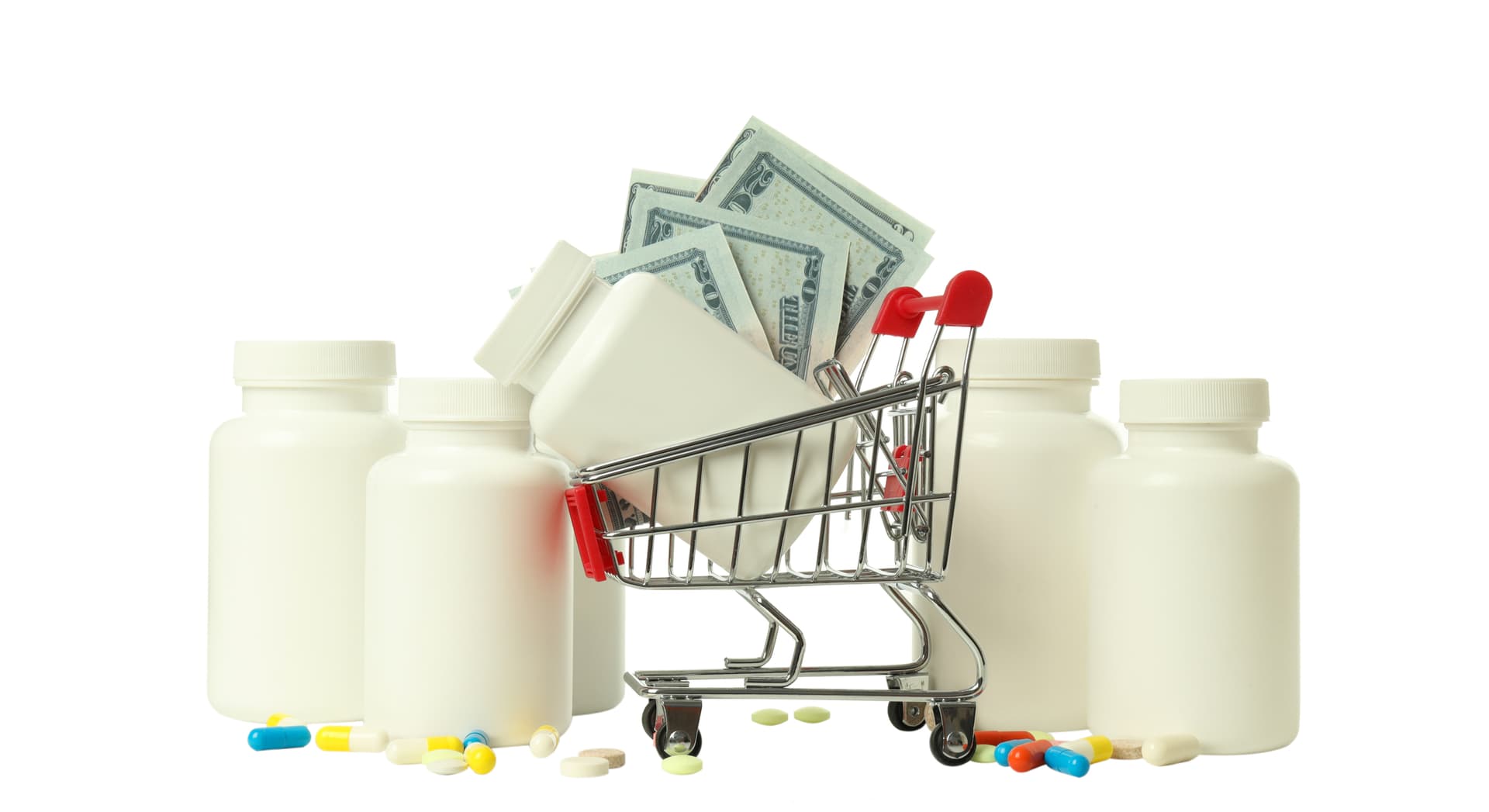
The pharmaceutical industry is in the midst of a major transformation. Traditional supply chains and marketing models, which relied heavily on wholesalers, distributors, and physician-targeted promotion, are evolving rapidly. One of the most significant trends shaping 2026 is the rise of Direct-to-Pharmacy (DTP) sales.
By selling directly to pharmacies rather than through intermediaries, pharma companies are gaining more control over pricing, inventory, and marketing communications.
This shift is not only affecting sales operations but is also redefining how pharmaceutical marketing strategies are planned and executed. This evolution reflects broader changes in pharmaceutical marketing strategies across the industry.
In this blog, we’ll explore what direct-to-pharmacy sales mean, how they influence marketing, and what trends pharma marketers should prepare for in 2026.
What is Direct-to-Pharmacy Sales?
Direct-to-pharmacy (DTP) sales is a model where pharmaceutical companies supply medicines directly to retail and hospital pharmacies, bypassing traditional intermediaries like wholesalers and distributors. Unlike the conventional model, where the focus is primarily on bulk distribution, DTP enables companies to maintain better visibility and control over how products reach the end customer.
Key Characteristics Of DTP Include:
- Direct engagement with pharmacies for sales, promotions, and support.
- Real-time monitoring of inventory, stock-outs, and refill patterns.
- Better control over pricing, discounts, and promotions.
- Opportunities to provide training, educational content, and patient support tools directly to pharmacy staff.
By removing layers between manufacturers and pharmacies, DTP strengthens the link between pharmaceutical companies and their final point of sale, creating new avenues for marketing and customer engagement. This trend ties directly into current thinking on resilient pharmaceutical supply chain strategies.
320260117135843.svg)
How Direct-To-Pharmacy Sales Influence Pharmaceutical Marketing?
Direct-to-pharmacy sales fundamentally change how pharma marketers plan and implement their strategies. Here’s how:
- Closer Customer Relationships: Pharma companies now interact directly with pharmacists and pharmacy chains, gaining insights into their needs, preferences, and patient demographics. This allows marketing teams to create highly targeted campaigns tailored to both pharmacy staff and patients.
- Enhanced Data Access: Direct sales provide real-time sales and inventory data, which marketers can use to predict demand, optimize campaigns, and tailor promotions. With insights into prescription patterns and refill rates, marketers can design more effective interventions to drive adherence and engagement.
- Faster Market Feedback: Marketing messages can be tested quickly, and their impact can be measured directly at the pharmacy level. This iterative approach aligns with agile marketing principles, enabling companies to refine campaigns in real time.
- Stronger Brand Presence At Point Of Sale: Pharmacies are the final touchpoint before the medicine reaches patients. Direct engagement allows pharma brands to enhance visibility through branded displays, training for pharmacy staff, and patient education materials, influencing the final purchase decision
Overall, DTP sales make marketing more data-driven, customer-centric, and agile, positioning pharma companies to respond faster to market changes and patient needs.
Digital Transformation Supports Direct-To-Pharmacy Marketing
The rise of direct-to-pharmacy sales is tightly linked to digital adoption in pharma. In 2026, digital tools are crucial for supporting DTP marketing strategies. Companies are using:
- CRM systems that integrate pharmacy-level data for personalized campaigns.
- Mobile apps for pharmacy staff training, drug updates, and patient counseling support.
- AI-powered analytics to identify trends in prescriptions, stock patterns, and seasonal demand.
- Omnichannel platforms that coordinate messages across email, SMS, WhatsApp, webinars, and in-person visits.
By combining DTP with advanced digital tools, pharma marketers can create more targeted, measurable, and effective campaigns while reducing operational inefficiencies. This aligns closely with broader digital transformation in pharma initiatives.
Patient-Centric Marketing In A Direct-To-Pharmacy World
Direct-to-pharmacy sales also allow marketing teams to focus on patients more effectively. Pharmacies are increasingly acting as the first point of health guidance, especially in regions where access to physicians is limited. By engaging pharmacies directly, companies can:
- Provide patient education materials, videos, or apps that explain proper use, side effects, and adherence strategies.
- Enable pharmacists to counsel patients on the benefits and safe use of medications.
- Use pharmacy data to identify gaps in adherence and create targeted interventions.
This shift ensures that marketing is no longer just about promoting products, it is about improving patient outcomes, building trust, and reinforcing brand loyalty through informed, ethical communication. Such efforts are core to patient-centric pharma marketing.
120260117140048.svg)
The Role Of Agile Marketing In Direct-To-Pharmacy
Direct-to-pharmacy sales encourage agile marketing approaches. Pharma teams are now:
- Forming small, cross-functional squads to manage specific therapy areas or pharmacy chains.
- Using real-time data from DTP channels to iterate campaigns quickly.
- Prioritizing rapid testing and measurement of marketing initiatives to see what works best at the pharmacy level
Agile marketing aligns perfectly with DTP, as it allows companies to respond to trends, competitor activity, and patient needs faster than traditional campaign cycles. Agility is increasingly enabled through AI in pharma marketing workflows.
Challenges Of Marketing In A Direct To Pharmacy Environment
While direct-to-pharmacy sales offer many advantages, they also introduce unique marketing challenges:
- Regulatory Compliance: Marketing messages must remain compliant, even when targeting pharmacy staff or patients directly. Regulatory scrutiny around pricing, promotions, and patient guidance is higher than ever.
- Data Management: Handling large volumes of real-time pharmacy and patient data requires robust analytics, secure storage, and careful interpretation. Poor data practices can lead to misaligned campaigns or errors.
- Balancing Digital & Human Interaction: While digital channels enable scalability, personal engagement with pharmacists remains essential. Companies must balance technology with human touchpoints to maintain trust and influence behavior.
- Inventory & Logistics Coordination: Marketing initiatives need to consider stock availability. Promoting products in pharmacies without adequate supply can harm credibility and patient trust.
Despite these challenges, companies that successfully integrate DTP strategies with strong compliance, data governance, and digital support can gain a significant competitive advantage. This requires robust pharma regulatory compliance frameworks.
120260117140856.svg)
2026 Forecast: Key Trends In Direct-To-Pharmacy Marketing
Looking ahead, several trends are likely to shape pharmaceutical marketing in a direct-to-pharmacy world:
- Data-Driven Personalization: Marketing messages will be increasingly tailored using real-time pharmacy sales and patient behavior data, allowing hyper-targeted campaigns.
- Integration With Digital Therapeutics & Patient Apps: Direct-to-pharmacy strategies will integrate with companion digital health tools, enabling continuous engagement and real-world evidence collection.
- Enhanced Pharmacy Training Programs: Companies will invest in educating pharmacists, making them brand ambassadors who guide patients effectively.
- Value-Based Marketing Approaches: Marketing campaigns will highlight not only product benefits but also outcomes, adherence, and cost-effectiveness, especially for payer-facing communications.
- Collaborative Ecosystems: Pharma, tech partners, and pharmacies will collaborate more closely, using shared data platforms to optimize inventory, patient engagement, and marketing outcomes.
In Conclusion
Direct-to-pharmacy sales are set to redefine pharmaceutical marketing in 2026 by bringing companies closer to the ultimate decision-makers, the pharmacies and, indirectly, the patients themselves. By bypassing intermediaries, pharma companies gain greater control over pricing, inventory, communication, and patient engagement. This model allows marketing to become more personalized, data-driven, and patient-centric. The shift reinforces the growing importance of digital marketing in pharma.
Companies that integrate DTP with agile practices, digital tools, and strong compliance frameworks will be best positioned to respond quickly to changing market needs. The combination of real-time data, hyper-targeted campaigns, and direct pharmacy engagement will not only strengthen brand visibility but also improve patient outcomes and adherence.
As the pharma industry continues to evolve, DTP sales are not just a distribution model—they are a strategic lever that will reshape marketing, enhance collaboration, and drive value across the healthcare ecosystem. For companies that embrace this shift in 2026, the future promises faster growth, stronger relationships, and more meaningful impact on patient health.
FAQs
FAQ 1: What Are Direct-To-Pharmacy (DTP) Sales In Pharma?
Direct-To-Pharmacy (DTP) sales refer to a model where pharmaceutical companies supply medicines directly to retail and hospital pharmacies, bypassing traditional intermediaries like wholesalers and distributors. This approach allows companies to gain better control over pricing, inventory, promotions, and marketing communications while creating closer engagement with the final point of sale.
FAQ 2: How Do DTP Sales Change Pharmaceutical Marketing Strategies?
DTP sales transform marketing by enabling closer relationships with pharmacists, providing real-time data on inventory and prescription patterns, allowing faster feedback on campaigns, and strengthening brand visibility at the point of sale. Marketers can create more targeted, agile, and data-driven campaigns while directly influencing patient engagement and adherence through pharmacy touch points.
FAQ 3: What Role Does Digital Transformation Play In DTP Marketing?
Digital tools are crucial for supporting DTP marketing strategies. CRM systems integrate pharmacy-level data, mobile apps support pharmacy staff training and patient counseling, AI-powered analytics identify prescription trends, and omnichannel platforms coordinate messaging across multiple channels. Together, these technologies allow pharma marketers to design measurable, efficient, and personalized campaigns.