by Vaibhavi M.
7 minutes
21 Microbiology fun facts you must know
Discover 21 fascinating microbiology facts that reveal how microbes shape health, food, medicine, and the planet.
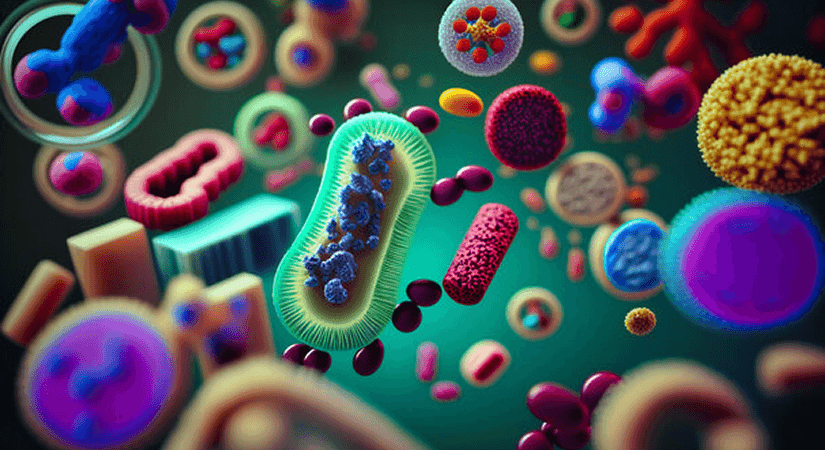
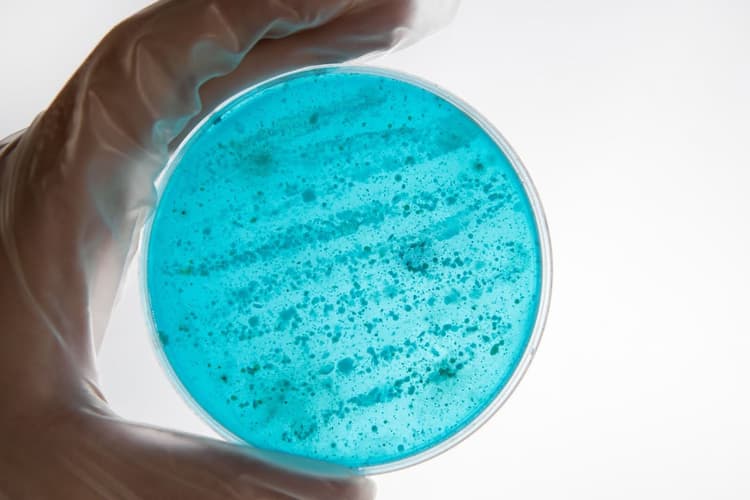
Microbiology is the science of life too small to be seen with the naked eye, including bacteria, viruses, fungi, protozoa, algae, and microscopic parasites. These tiny organisms shape human health, drive ecosystems, and power many pharmaceutical and industrial processes. From making antibiotics to recycling nutrients in soil, microbes quietly run much of the world.
Below are 21 fascinating microbiology facts that reveal how surprising, complex, and essential the microbial world really is.
1. Microbes Were Here Long Before Humans
Microorganisms appeared on Earth over 3.5 billion years ago, long before plants or animals evolved. Early microbes helped change Earth’s atmosphere by producing oxygen through photosynthesis, paving the way for complex life.
2. Most Microbes Are Harmless or Helpful
Although disease-causing microbes get most of the attention, less than 1% of bacteria are known to cause illness in humans. The majority either do nothing to us or provide major benefits.
3. Your Body Has More Microbial Cells Than You Think
The human body hosts trillions of microorganisms, mainly in the gut, skin, mouth, and lungs. These communities, called the human microbiome, help digest food, produce vitamins like B12 and K, and train the immune system.
4. Some Bacteria Can Survive Extreme Conditions
Certain microbes known as extremophiles live in boiling hot springs, deep-sea vents, acidic lakes, or highly salty waters. Thermophilic bacteria can grow at temperatures above 70°C, while halophiles thrive in salt concentrations that would kill most life forms.
5. Viruses Are Not Technically Alive
Viruses lack the machinery needed to reproduce on their own. They must infect a host cell and hijack its cellular machinery to replicate. This unusual behaviour continues to keep scientists debating whether viruses should be considered living organisms.
6. Antibiotics Come From Microbes
Many life-saving antibiotics, such as penicillin, were originally discovered in fungi or bacteria. These microbes naturally produce chemical compounds to compete with other organisms in their environment, compounds that humans later turned into medicines.
7. Microbes Help Make Food and Drinks
Fermentation depends on microorganisms:
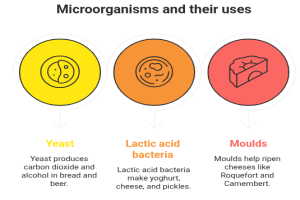
- Yeast produces carbon dioxide and alcohol in bread and beer.
- Lactic acid bacteria make yoghurt, cheese, and pickles.
- Moulds help ripen cheeses like Roquefort and Camembert.
Without microbes, many favourite foods would not exist.
8. Bacteria Communicate With Each Other
Bacteria can “talk” using chemical signals in a process called quorum sensing. When enough cells gather, these signals trigger group behaviours such as forming biofilms, releasing toxins, or producing light in marine species.
9. Some Bacteria Glow in the Dark
Bioluminescent bacteria, such as Vibrio fischeri, produce visible light through enzyme-driven chemical reactions. These microbes live symbiotically in marine animals like squid, helping them camouflage at night.
10. The First Life on Mars, If It Exists, Would Likely Be Microbial
Astrobiologists searching for extraterrestrial life focus on microbes rather than complex organisms. Microbes are far more adaptable and could survive harsh environments similar to those found on Mars or icy moons like Europa.
11. Microbes Drive Earth’s Nutrient Cycles
Bacteria and archaea are central to carbon, nitrogen, and sulfur cycles. Nitrogen-fixing bacteria convert atmospheric nitrogen into forms plants can use, while decomposer microbes break down dead material and return nutrients to the soil.
12. Some Microbes Can “Eat” Pollution
Certain bacteria degrade oil spills, plastics, pesticides, and even radioactive waste. These organisms are studied in bioremediation, a process that uses microbes to clean contaminated environments.
13. The Smallest Free-Living Cells Are Tiny Beyond Belief
Mycoplasma species are among the smallest known bacteria, measuring only about 0.2 micrometres across, close to the limit of what a cell can be and still function independently.
14. Fungi Are Closer to Humans Than Plants
Although mushrooms grow in soil like plants, genetically, fungi are more closely related to animals. This similarity is why some antifungal drugs can be toxic to humans; they target cell processes that are partly shared.
15. Microbes Are Essential to Drug Manufacturing
In pharmaceutical production, microbes are used to make:
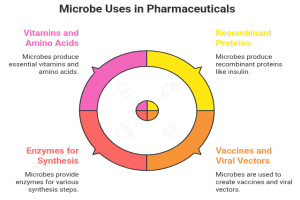
- Recombinant proteins like insulin
- Vaccines and viral vectors
- Enzymes for synthesis steps
- Vitamins and amino acids
Genetically engineered E. coli and yeast strains are workhorses of modern biomanufacturing.
16. Some Bacteria Can Form Protective Communities
Bacteria often form structured communities called biofilms, attaching to surfaces such as medical devices, teeth, or pipelines. Biofilms make infections harder to treat because cells inside them become more resistant to antibiotics and disinfectants.
17. Microbial Spores Can Stay Dormant for Years
Certain bacteria, including Bacillus and Clostridium, produce tough structures called endospores. These spores survive heat, radiation, drying, and chemicals, allowing microbes to remain inactive for decades until conditions improve.
18. The Gut–Brain Connection Involves Microbes
Research shows that gut bacteria influence the nervous system through immune signals, metabolic products, and nerve pathways. This gut–brain axis is being studied for links to mood, cognition, and neurological disorders.
19. Microbes Shape Plant Health
Plants depend on root-associated microbes, called the rhizosphere microbiome, to absorb nutrients and resist disease. Some bacteria stimulate growth, while others protect roots from harmful pathogens.
20. There Are More Microbes Than Stars in the Milky Way
Scientists estimate there are about 10³⁰ microbial cells on Earth, far exceeding the number of stars in our galaxy. They represent the largest share of Earth’s total biological mass.
21. We Are Still Discovering New Microbes Every Year
With tools such as DNA sequencing and metagenomics, researchers uncover thousands of previously unknown microbial species each year. Most microbes cannot yet be grown in laboratories, meaning the majority of microbial diversity remains unexplored.
Why Microbiology Matters Today
Microbiology sits at the heart of medicine, biotechnology, agriculture, and environmental science. From fighting antimicrobial resistance to developing next-generation vaccines and cell therapies, understanding microbes is essential for solving some of the world’s biggest health challenges.
What once seemed like a hidden microscopic world now drives innovation across pharmaceutical research, manufacturing, diagnostics, and sustainability. The more scientists learn about microbes, the clearer it becomes that life on Earth is deeply, and beautifully, interconnected at the smallest scale.
FAQs
1. What is microbiology in simple terms?
Microbiology is the study of tiny living organisms such as bacteria, viruses, fungi, and protozoa.
2. Are all microbes harmful to humans?
No. Most microbes are harmless or helpful, and many are essential for digestion, immunity, and the production of medicines.
3. Why are microbes important in pharmaceuticals?
They are used to make antibiotics, vaccines, insulin, enzymes, and other critical drugs.
4. What is the human microbiome?
It is the collection of microorganisms living in and on the human body that support health and metabolism.
5. Can microbes survive extreme environments?
Yes. Some microbes live in hot springs, deep oceans, acidic lakes, and highly salty areas.