Mastering Change Control In Pharmaceutical Manufacturing: A Detailed And Clear Guide
Learn how Change Control ensures quality and compliance in pharmaceutical manufacturing under Schedule M 2023.

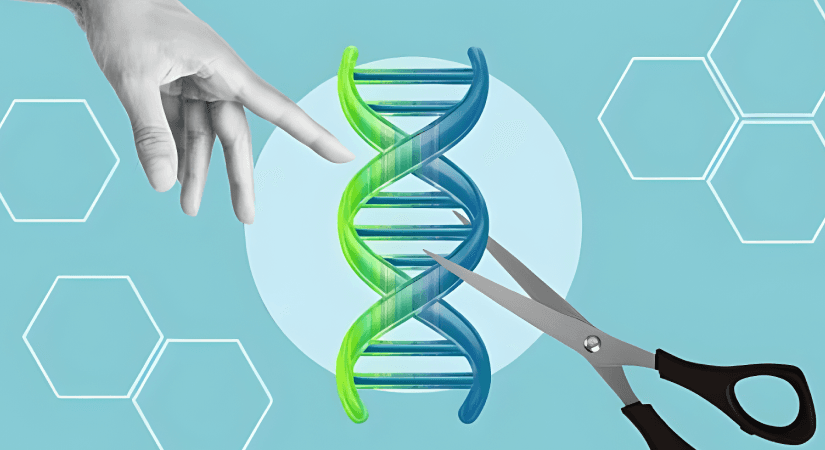
In pharmaceutical manufacturing, change is unavoidable. Processes are continuously improved, equipment is upgraded, suppliers evolve, and regulatory expectations are updated over time.
However, even a small, uncontrolled change can have a serious impact on product quality, safety, and compliance. A slight variation in raw material, a modification in process parameters, or an update in equipment can lead to deviations, batch failures, or even product recalls if not properly assessed.
This is why a robust Change Control system is essential. Under Schedule M 2023, Section 8 establishes a formal and structured framework to ensure that all changes affecting production and quality are carefully evaluated, documented, approved, and verified before implementation.
Change Control acts as a protective mechanism that ensures every change is introduced in a controlled and scientifically justified manner. It is not just a procedural requirement but a critical element of the Pharmaceutical Quality System (PQS) that safeguards product integrity and patient safety.
This article provides a detailed and simplified explanation of Change Control, covering its principles, process, documentation, classification, integration with other systems, and practical implementation.
What Is Change Control In Pharmaceutical Industry?
Schedule M defines Change Control as a formal system used to evaluate all changes that may affect the production and control of pharmaceutical products. This includes changes related to raw materials, packaging materials, equipment, manufacturing processes, analytical methods, facilities, utilities, computerized systems, and documentation.
The objective is to ensure that any change introduced into the system does not negatively impact product quality or regulatory compliance. At its core, Change Control is a structured and disciplined quality process.
Every proposed change must be identified, documented through a formal change request, reviewed by relevant departments, and approved by the Quality Assurance unit before implementation. This ensures that no change is made arbitrarily or without proper understanding of its consequences.
A key concept emphasized in Schedule M is that Change Control serves as the “gatekeeper” of product quality. Whether a change is minor or major, it must pass through this system.
The classification only determines the level of evaluation and documentation required — it does not eliminate the need for control. This approach ensures consistency, accountability, and transparency in all change-related activities.
Why A Formal Change Control System Is Mandatory?
The requirement for a formal Change Control system is rooted in the need to maintain consistent product quality and regulatory compliance. Without such a system, changes may be introduced informally, leading to inconsistencies, undocumented deviations, or unintended consequences. This can compromise not only product quality but also patient safety.
A structured system ensures that all changes are evaluated systematically using scientific reasoning and risk assessment. It also ensures that cross-functional teams including production, quality control, engineering, and quality assurance are involved in the decision-making process. This collaborative approach ensures that all potential impacts are considered before a change is approved.
Furthermore, a formal Change Control system provides traceability. Every change is recorded, reviewed, and linked to relevant documentation and batch records. This traceability is essential during audits and inspections, as it demonstrates that the organisation maintains control over its processes.
Classification Of Changes: Minor And Major
An important step in the Change Control process is the classification of changes based on their potential impact. Changes are typically classified as minor or major. Minor changes are those that have minimal or no significant impact on product quality, safety, or regulatory compliance. These changes may require limited testing and documentation but must still undergo formal review and approval.
Major changes, on the other hand, are those that can significantly affect product quality, manufacturing processes, or regulatory filings. These changes require detailed impact assessments, extensive testing, and often regulatory notification or approval before implementation.
It is important to note that classification must always be supported by scientific justification. A change should never be categorized as minor simply to reduce effort. The classification must reflect the actual risk associated with the change, ensuring that appropriate controls are applied.
Categories Of Changes Requiring Formal Control
Schedule M requires that written procedures be established to manage all categories of changes that may impact product quality. These include changes in starting materials, packaging materials, equipment, manufacturing processes, analytical methods, facilities, utilities, computerized systems, and labeling. This wide scope ensures that no aspect of pharmaceutical operations is left uncontrolled.
Even seemingly minor changes, such as updates to software systems or modifications in documentation, can have downstream effects on product quality and must be evaluated carefully. By covering all possible categories, the Change Control system ensures comprehensive oversight and prevents gaps in quality management.
Key Elements Of Change Control Records
Change Control documentation is essential for ensuring transparency, traceability, and regulatory compliance. Schedule M requires that every proposed change be recorded in a structured and comprehensive manner so that its justification, assessment, approval, and impact are fully traceable from initiation to closure.
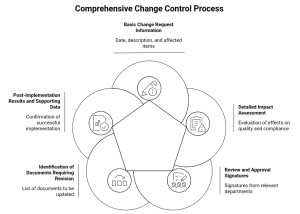
1) Basic Change Request Information
Each record must include the date of the change request, a clear and precise description of the proposed change, and identification of all products, equipment, systems, or processes that may be affected. This foundational information provides clarity on what the change is and why it is being proposed.
2) Detailed Impact Assessment
A thorough impact assessment must be documented, evaluating the potential effects on product quality, process performance, validation status, regulatory submissions, and GMP compliance. The record should also specify the risk classification of the change and include scientific justification for assigning that level of risk.
3) Review and Approval Signatures
All relevant review and approval signatures must be included, such as those from department heads, technical reviewers, and the Quality Assurance unit. These approvals demonstrate cross-functional evaluation and confirm that the change has been assessed from all required perspectives before implementation.
4) Identification of Documents Requiring Revision
The record must list all documents that need revision as a result of the change. This may include standard operating procedures, batch manufacturing records, master formula records, specifications, validation protocols, and other controlled documents. This ensures alignment of documentation with the updated process.
5) Post-Implementation Results and Supporting Data
Where applicable, the Change Control record must include results from the first batch produced after implementation, along with any required stability studies or monitoring data. These results confirm that the change performed as expected under real manufacturing conditions and did not adversely affect product quality.
Change Control Process Management Requirements
Effective management of Change Control requires a structured approach supported by written procedures. A formal Change Control SOP must be established before any changes are proposed. This SOP defines the entire process, including initiation, review, approval, implementation, and closure.
Quality Assurance plays a central role in this process and must approve all changes before implementation. No change should be executed without QA approval, as this ensures that quality considerations are fully addressed.
Major changes may require notification to regulatory authorities before implementation, depending on their impact. This ensures compliance with regulatory requirements and avoids potential legal or compliance issues.
Another critical requirement is that all affected documents must be updated before the change is implemented. This ensures that personnel follow the correct procedures and prevents confusion during operations. Additionally, the first batch produced under the new conditions must be evaluated to confirm that the change has not adversely affected product quality.
If the change has the potential to impact product stability or shelf life, appropriate stability studies must be initiated to verify continued compliance.
Pre-Change Assessment And Post-Change Verification
Change Control operates across two equally important phases: pre-change assessment and post-change verification. The pre-change phase focuses on evaluating the proposed change, identifying potential risks, and determining necessary actions such as validation, testing, or documentation updates.
The post-change phase ensures that the implemented change performs as expected. This includes evaluating the first batch produced under the new conditions, monitoring process performance, and verifying that all acceptance criteria are met.
Both phases are essential. A well-conducted assessment without proper verification can still lead to issues, while verification without proper assessment may fail to identify risks. Together, these phases ensure that changes are introduced safely and effectively.
Practical Example Of Change Control Implementation
Consider a pharmaceutical company replacing a tablet compression machine used for manufacturing Atorvastatin 10 mg tablets. This change would begin with a formal change request, documenting the reason for replacement and expected benefits.
The impact assessment would evaluate how the new machine affects process parameters, product quality, validation status, and regulatory compliance. Since this change directly affects manufacturing, it would likely be classified as a major change.
The company would then perform equipment qualification and possibly process validation to ensure the new machine operates correctly. All relevant documents would be updated before implementation.
After implementation, the first batch produced using the new machine would be evaluated for critical quality attributes such as weight variation, hardness, and dissolution. Stability studies may also be initiated. Only after successful verification would the change be formally closed.
Integration With The Pharmaceutical Quality System
Change Control is not an isolated system; it is fully integrated with the broader Pharmaceutical Quality System. It interacts with validation, documentation management, deviation handling, CAPA, self-inspection, and Annual Product Quality Review. For example, a change affecting a validated process may require revalidation.
Changes in procedures must be reflected in updated documentation. Deviations identified after a change must be investigated, and CAPA actions must be implemented. This integration ensures that all quality systems work together cohesively, providing a comprehensive approach to quality management.
Compliance Checkpoints For Change Control
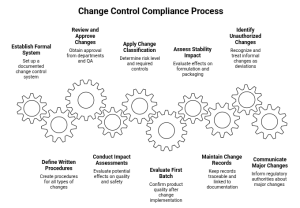
Here Are The Key Requirements For Ensuring Compliance With Schedule M Through A Robust & Well-Controlled Change Control system:
- Organisations must ensure that a formal, documented Change Control system is established in accordance with Schedule M.
- Written procedures must define and cover all types of changes.
- Every proposed change must be reviewed and approved by the concerned department as well as Quality Assurance (QA).
- Impact assessments must be performed for all changes to evaluate potential effects on quality, safety, processes, or validation.
- Change classification procedures must be applied consistently to determine the level of risk and required controls.
- The first batch manufactured after implementing a change must be evaluated to confirm that product quality is maintained.
- Stability impact must be assessed where applicable, especially for changes affecting formulation, packaging, or storage.
- All change control records must be maintained, traceable, and linked to batch documentation and quality review processes.
- Any unauthorised or informal changes must be identified and treated as deviations.
- Major changes that impact regulatory filings must be communicated to regulatory authorities before implementation.
Common Pitfalls And How To Avoid Them?
Despite having systems in place, organisations often encounter challenges in implementing Change Control effectively. Common pitfalls include bypassing the approval process, performing inadequate impact assessments, failing to update documentation, and neglecting post-change verification.
These issues can be avoided by enforcing strict adherence to procedures, ensuring proper training, strengthening communication, and maintaining a proactive quality culture. Regular audits and reviews also help identify gaps and improve the system.
In Conclusion
Change Control under Schedule M 2023 is a critical component of pharmaceutical quality systems, ensuring that all changes are introduced in a controlled and scientifically justified manner. By requiring formal evaluation, documentation, approval, and verification, it protects product quality and patient safety.
A well-implemented Change Control system ensures consistency, traceability, and compliance while supporting continuous improvement. By integrating Change Control with validation, documentation, and quality management systems, organisations can effectively manage change without compromising standards.
Ultimately, Change Control is not just about managing modifications, it is about managing risk, maintaining control, and ensuring that every product delivered to patients meets the highest standards of quality, safety, and reliability.
FAQs
1. What Is Change Control Under Schedule M 2023?
Change Control is a formal, structured system used to evaluate, approve, implement, and verify any change that could affect the production or quality of pharmaceutical products. Schedule M 2023 requires that all changes, whether related to materials, equipment, processes, facilities, utilities, computerized systems, or documents, be fully assessed and scientifically justified before implementation. The purpose is to prevent uncontrolled changes that may compromise product quality or patient safety.
2. Why Is A Formal Change Control System Necessary?
A formal Change Control system ensures that no modification is made without proper evaluation of its impact on quality, safety, and regulatory compliance. Without Change Control, organisations may introduce undocumented changes that lead to deviations, failures, or compliance issues. The system also ensures cross-functional review, scientific risk assessment, and complete traceability of every change from initiation to closure, which is essential during inspections and audits.
3. How Are Changes Classified As Minor Or Major?
Changes are classified based on their potential impact on product quality, safety, or regulatory status. Minor changes involve minimal risk and require limited evaluation, while major changes can significantly influence product attributes, validated processes, or regulatory filings. Major changes require extensive assessment, testing, documentation, and sometimes regulatory approval. Classification must always be scientifically justified and never chosen for convenience.
4. What Documentation Is Required In A Change Control Record?
A complete Change Control record must include the date of initiation, a clear description of the change, the affected products or processes, impact assessment results, risk classification and justification, required tests or validations, and updated documents. It must also include QA approval, cross-functional review signatures, results from the first post-change batch, and any required stability studies. This documentation ensures transparency, traceability, and compliance.
Reporting on the science, business and regulation shaping the pharmaceutical industry.
More in Pharma Manufacturing
All articles →
Compliance In Pharma Manufacturing 2025: Key Regulations And Best Practices You Need to Know

Improving Pharmaceutical Manufacturing Flexibility: Agile Manufacturing and Rapid Scale-Up

Discussion