API Manufacturing Automation: How Robotics Are Reducing Risks In Hazardous Steps?
Automation and robotics are transforming API manufacturing with better safety, precision, and efficiency across hazardous steps.

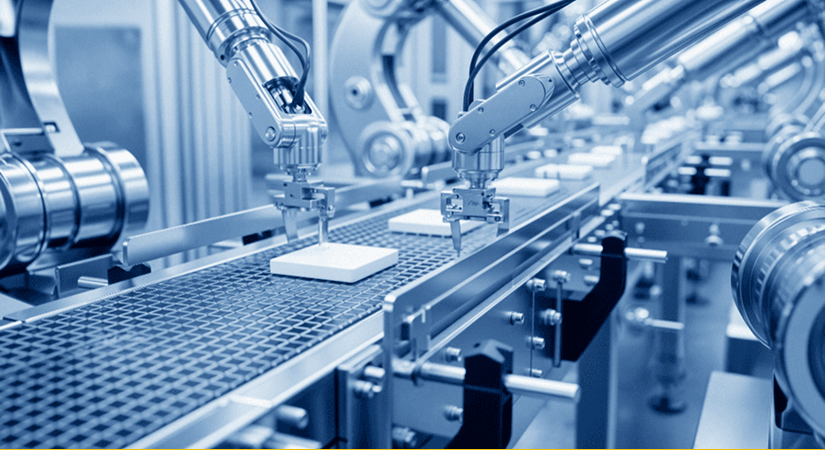
API (Active Pharmaceutical Ingredient) manufacturing is one of the most complex and critical components of the pharmaceutical sector. Every medicine relies on APIs that must be produced with precision, purity, and consistency. However, the path to creating these essential ingredients is filled with operational challenges.
From handling toxic raw materials to managing high-pressure reactions, API manufacturing includes many hazardous steps that expose workers to risks. Monitoring contamination risks through API environmental monitoring is also essential.
Traditionally, skilled operators have carried out these tasks manually, but as the industry evolves, manual processes are no longer sufficient to meet modern expectations for safety, efficiency, and quality. This is where automation, especially robotics, plays a transformative role.
API manufacturing automation uses robotic systems, sensors, and digital technologies to handle tasks that were once performed by human operators. Robotics is especially valuable in hazardous steps where exposure to chemicals, solvents, or extreme conditions poses risks. These automated systems ensure accuracy and repeatability, reduce human error, and create safer working environments. As APIs become more complex and manufacturing demands increase, automation is shifting from a future possibility to an industry standard.
In this blog, we explore why automation matters in API manufacturing, how robotics supports hazardous steps, the enabling technologies, benefits, and challenges, all in a simple, structured manner!
Why Automation Matters In API Manufacturing?
Here's why automation truly matters in API manufacturing!
1. Safety Enhancement
One of the biggest reasons automation is crucial in API manufacturing is safety. Many APIs involve highly potent or toxic substances that can harm workers even at low exposure levels. Manual handling of powders, solvents, and reactive chemicals increases the risk of spills and inhalation. Robotics eliminates direct human contact with these hazards by performing operations inside sealed, controlled environments. This significantly reduces workplace accidents while ensuring compliance with occupational safety standards.
2. Consistency & Precision
Pharmaceutical manufacturing demands flawless precision because even slight variations can alter the quality of the final drug product. Manual operations are prone to inconsistencies caused by fatigue, distraction, or simple human error. Automated systems maintain uniform timing, dosing, and reaction controls across every batch. This level of accuracy ensures repeatability and supports continuous quality improvement.
3. Handling Increasing Process Complexity
Modern APIs, especially biologics, peptides, and oncology drugs, require multiple complex steps. These procedures demand exact control of reaction conditions and material handling. Automation manages these complexities effortlessly, ensuring that temperature, pressure, and mixing parameters stay within strict limits. Robotics supports complex workflows more efficiently than manual operations could ever achieve.
4. Meeting Rising Regulatory Expectations
Regulatory bodies like the FDA and EMA require strict documentation, traceability, and contamination control. Manual documentation is often slow and error-prone. Automation solves this by generating real-time data logs, capturing every step digitally, and ensuring consistent process control. Such systems increasingly integrate with digital EM pharma cleanrooms to strengthen contamination oversight. This not only simplifies audits but also strengthens adherence to Good Manufacturing Practices (GMP).
5. Boosting Efficiency & Throughput
Global healthcare demands continue to rise, pushing pharmaceutical companies to increase production without compromising safety. Automation enhances throughput by operating continuously without breaks, fatigue, or downtime associated with human shifts. This helps manufacturers scale operations while maintaining consistent quality standards.

How Robotics Supports Hazardous Steps In API Manufacturing?
Robotics is most beneficial in areas where human safety, precision, and contamination control are critical. One major application is the handling of toxic or highly potent compounds. Robots can weigh, dispense, and transfer these materials inside closed isolators, preventing exposure and ensuring exact dosing. This closed-system handling also reduces the risk of contamination, an essential requirement for maintaining product integrity.
Reactor operations represent another high-risk area where robotics brings significant advantages. Proper utility monitoring helps maintain safe and consistent reaction environments. Chemical reactions often require precise raw material addition under controlled pressure and temperature conditions.
Automation ensures that these inputs are delivered accurately, stabilizing the reaction environment. Robots can also perform automated sampling without exposing operators to hazardous vapours or intense heat.
In downstream processing, steps such as filtration, centrifugation, and drying involve equipment that is mechanically intense, noisy, and potentially hazardous. Robotics automates these actions smoothly, loading and unloading materials without manual interference. Automated drying processes can monitor moisture levels and adjust timing to ensure uniform results.
Cleaning-in-Place (CIP) and Sterilization-in-Place (SIP) procedures, essential for ensuring equipment cleanliness, also benefit from automation. Robots and automated cleaning systems deliver consistent cleaning agent flow, temperature, and pressure cycles without the need for workers to handle corrosive chemicals.
Similarly, Autonomous Mobile Robots (AMRs) and Automated Guided Vehicles (AGVs) enhance material movement across facilities, reducing manual lifting and improving logistical efficiency.

Technologies Enabling Robotics In API Manufacturing
Multiple technologies are making robotics more capable, intelligent, and adaptable within API facilities. Collaborative robots, or cobots, are increasingly popular because they are easy to program and safe to operate around humans. These systems excel in repetitive tasks such as sampling, dispensing, and packaging. Advanced sensor technologies are fundamental to automation. Vision systems powered by AI allow robots to detect powder levels, identify container positions, and even monitor reactions through transparent observation windows. Gas sensors detect solvent vapours or leaks, immediately triggering safety protocols.
Artificial intelligence and machine learning strengthen automation by enabling predictive maintenance, anomaly detection, and real-time optimisation. With AI-driven insights, manufacturers can improve batch consistency and minimise downtime. Analytical controls using HPLC testing also support consistent product quality. Internet of Things (IoT) technology supports connectivity between robotic systems, control systems, and sensors, enabling a more integrated and traceable manufacturing workflow.
Digital twin technology is another advancement changing API manufacturing. By creating a virtual replica of equipment and processes, manufacturers can simulate operations, identify risks, and refine workflows before implementing physical changes. This makes automation planning more accurate and efficient.
Benefits Of Robotics In Hazardous API Manufacturing Steps
a) Enhanced Operator Safety: The greatest benefit of robotics is the protection it offers to human workers. Robots handle dangerous chemicals, high-temperature operations, and high-speed equipment that would otherwise expose operators to significant risks. This drastically reduces workplace injuries and creates a safer environment overall.
b) Improved Product Quality: API manufacturing relies heavily on precision. Robotics ensures consistent dosing, exact timing, controlled reactions, and thorough cleaning cycles. This reduces variability between batches and enhances overall product quality. A more consistent process means fewer deviations and a higher success rate across all manufacturing runs.
c) Higher Productivity & Efficiency: Robots do not require breaks, shifts, or rest. They can operate continuously, significantly increasing overall plant output. By automating repetitive or risky tasks, manufacturers reduce process bottlenecks, speed up reaction cycles, and boost throughput without compromising quality.
d) Cost Savings Over Time: While automation demands initial investment, the long-term financial benefits are substantial. Reduced waste, fewer failures, less rework, lower downtime, and improved yield all contribute to cost savings. Over time, the return on investment becomes clear as operational efficiency increases.
e) Stronger Regulatory Compliance: Robotics supports comprehensive documentation. Every parameter — temperature, material quantity, cleaning cycle timing is recorded automatically. This creates a digital audit trail that is reliable and tamper-proof, making audits easier and reinforcing compliance with GMP and regulatory guidelines.
f) Smarter Workforce Utilisation
With robots taking over hazardous and repetitive tasks, human workers can shift to roles that involve supervision, optimisation, and strategic decision-making. This enhances job satisfaction, improves workforce retention, and helps companies utilise human talent more effectively.

What Are The Challenges In Adopting Robotics?
a) High Initial Investment: Implementing robotics requires purchasing advanced equipment, integrating systems, and upgrading infrastructure. For smaller companies, such costs can be a barrier. However, long-term savings often justify the investment.
b) Integration With Legacy Equipment: Many pharmaceutical plants operate with older systems not designed for automated workflows. Retrofitting robotics into such environments requires engineering changes, downtime, and logistical planning.
c) Skill Gap & Workforce Training
Robotics requires operators with technical skills in automation, programming, and system troubleshooting. Training employees to manage these systems is essential but can take time and resources.
d) Validation & Compliance Requirements
Robotic systems must be validated thoroughly to meet GMP standards. This involves extensive documentation, process verification, and ongoing monitoring.
e) Resistance To Change
Employees may fear that automation will replace jobs. Effective communication, reskilling programs, and change management strategies are crucial to ensure a smooth transition.
In Conclusion
Robotics and automation are revolutionizing API manufacturing, especially in hazardous steps where precision and safety are vital. By reducing human exposure to toxic chemicals, improving process consistency, supporting regulatory compliance, and increasing productivity, automation brings powerful advantages to the pharmaceutical industry.
While challenges such as cost, training, and integration exist, the long-term rewards far outweigh them. As technology continues to advance, the future of API manufacturing will be increasingly automated, intelligent, and safe creating better outcomes for manufacturers, workers, and patients worldwide.
FAQs
1. Why Is Robotics Important In Hazardous API Manufacturing Steps?
Robotics is important because many API processes involve handling toxic chemicals, high-pressure reactions, or extreme temperatures that pose risks to human workers. Robots perform these tasks in controlled environments, reducing direct exposure and ensuring safer, more consistent operations.
2. How Does Automation Improve Product Quality In API Manufacturing?
Automation enhances product quality by ensuring precise dosing, controlled reaction conditions, and consistent execution of tasks. Robots eliminate human error and maintain repeatable processes across every batch, leading to higher purity, fewer deviations, and improved compliance with GMP standards.
3. What Challenges Do Companies Face When Adopting Robotics In API Manufacturing?
Companies often face challenges such as high initial investment costs, integration with older equipment, workforce skill gaps, and the need for extensive validation. While these hurdles require planning and resources, the long-term benefits of automation — including safety, efficiency, and cost savings — make adoption worthwhile.
Reporting on the science, business and regulation shaping the pharmaceutical industry.
More in Pharma Manufacturing
All articles →
Compliance In Pharma Manufacturing 2025: Key Regulations And Best Practices You Need to Know

Improving Pharmaceutical Manufacturing Flexibility: Agile Manufacturing and Rapid Scale-Up

Discussion