Can AI Decode the Gut? : Machine Learning in Microbiome Research
AI is decoding microbial patterns humans can't see. Here's how machine learning is transforming microbiome research into clinical reality.

20260804110923.webp&w=1920&q=75&dpl=dpl_6ysJ9LfPjjK65PGFB6RKfCshR8pW)
The human microbiome is a consortium of predominantly bacteria, viruses and fungi that reside in various ecological niches, from the oral to the ocular, nasal, skin and gut. The gut microbiome harbours the maximum diversity and abundance of microorganisms owing to the availability of nutrients and environmental factors that are conducive to its colonization. Several experiments conducted in germ-free mice have demonstrated the critical role of gut microbes; without them, these mice are immunologically extremely weak and exhibit severe impairments in several organ systems.
This massive “invisible” organ, which outnumbers the human genes by over 100 times, is essential for the healthy functioning of the body. These microbes possess properties to synthesize essential metabolites, thereby acting as a primer for complex metabolic and functional pathways. Hence, it is well established, based on years of dedicated research across various model systems, that the gut microbiome is an important entity, and studying the diversity & abundance of these microorganisms can provide insights into body function and its strong relationship to health and wellbeing.
The Connection Between Gut Health and Chronic Disease
The earliest evidence of gut microbiome associated with chronic disease dates back to 500 BC, where the Chinese had a practice of treating various diseases using “golden soup” which was basically fecal matter derived from a healthy donor. Today, it has gained popularity with several research organizations and healthcare setups under the name of “Fecal Microbiome Transplant” or simply FMT.
FDA has now approved the use of FMT in the treatment of recurring Clostridium difficle infection.There is growing connection between gut microbiome and various diseases ranging from metabolic health, immunological, neurological, psychological and gastrointestinal diseases. Philosophically we are all born on a clean slate with our first exposure to microbes being at the time of delivery. However, unlike the genes, our microbes are dynamic and they are influenced by several external factors from diet, medications, physical health, mental health, exercise along with other social and lifestyle factors that constantly make an impact on these gut bacteria.
Research over the last two decades has increased manifold due to the advancements in DNA sequencing technology. The question was simple – how does the microbiome differ between healthy individuals and those with a specific disease. The answers that came up created a whole new branch of science called as metagenomics which characterizes the microbial profile in the gut using next-generation sequencing (NGS). Taxonomic classification revealed certain microbes being elevated in the disease state, while certain microbes being depleted with respect to the healthy cohort.
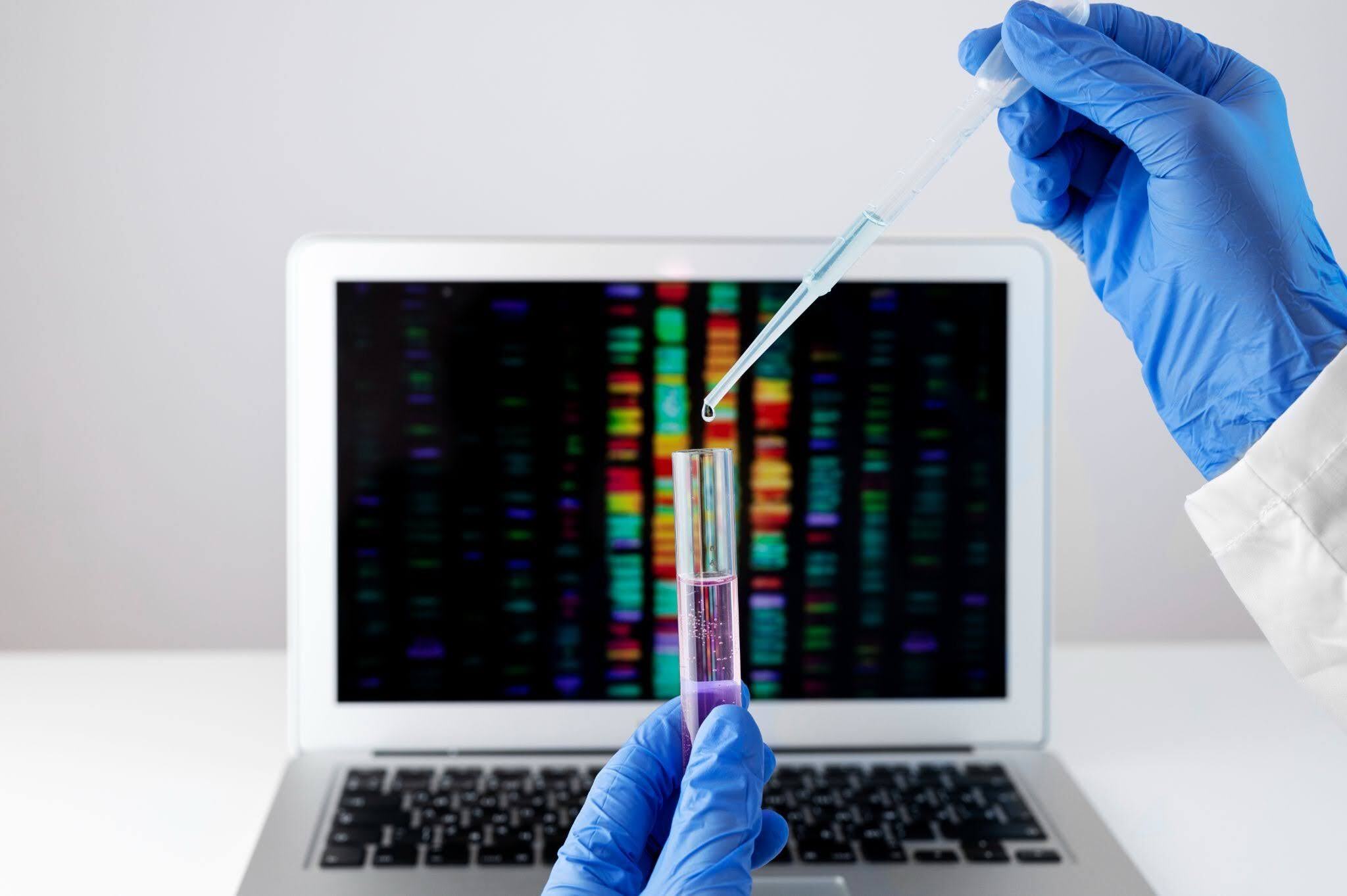
On analysis, it was inferred that the bacteria which were enhanced belong to those pro-inflammatory bacteria that are associated with production of inflammatory cytokines or those which have the potential to degrade the protective mucin layer thereby disrupting the intestinal barrier integrity or those that produce excess amount of gases or certain toxins that can alter functional pathways or interfere with gut motility and gut transit.
On the other hand, the bacteria that were depleted in the disease group belonged to “the anti-inflammatory” group that were associated with production of essential short-chain fatty acids, microbial vitamins, neurotransmitters and enzymes that are involved in digestion, breaking down complex carbohydrates and regulating the communication between the gut and various organ systems; gut-brain, gut-skin, gut-liver, gut-heart and so on.
Therefore, the relationship between microbes and diseases is very close-knit. In most cases, the mystery of cause and effect still remains. Did the microbes cause the disease, or did the disease change the microbiome? The chicken-or-the-egg mystery is a long-standing debate!
Decoding Trillions of Microbial Interactions- A Challenge
Microbes do not work in isolation. We have seldom heard a single bacterium being associated with a specific metabolic function. Just as humans and other biological organisms have their families, so do microbes. There is a constant communication between bacteria which can be either positive effects as seen in mutualism or symbiosis or detrimental in the form of parasitism or competitive exclusion where microbes compete for space and nutrients.
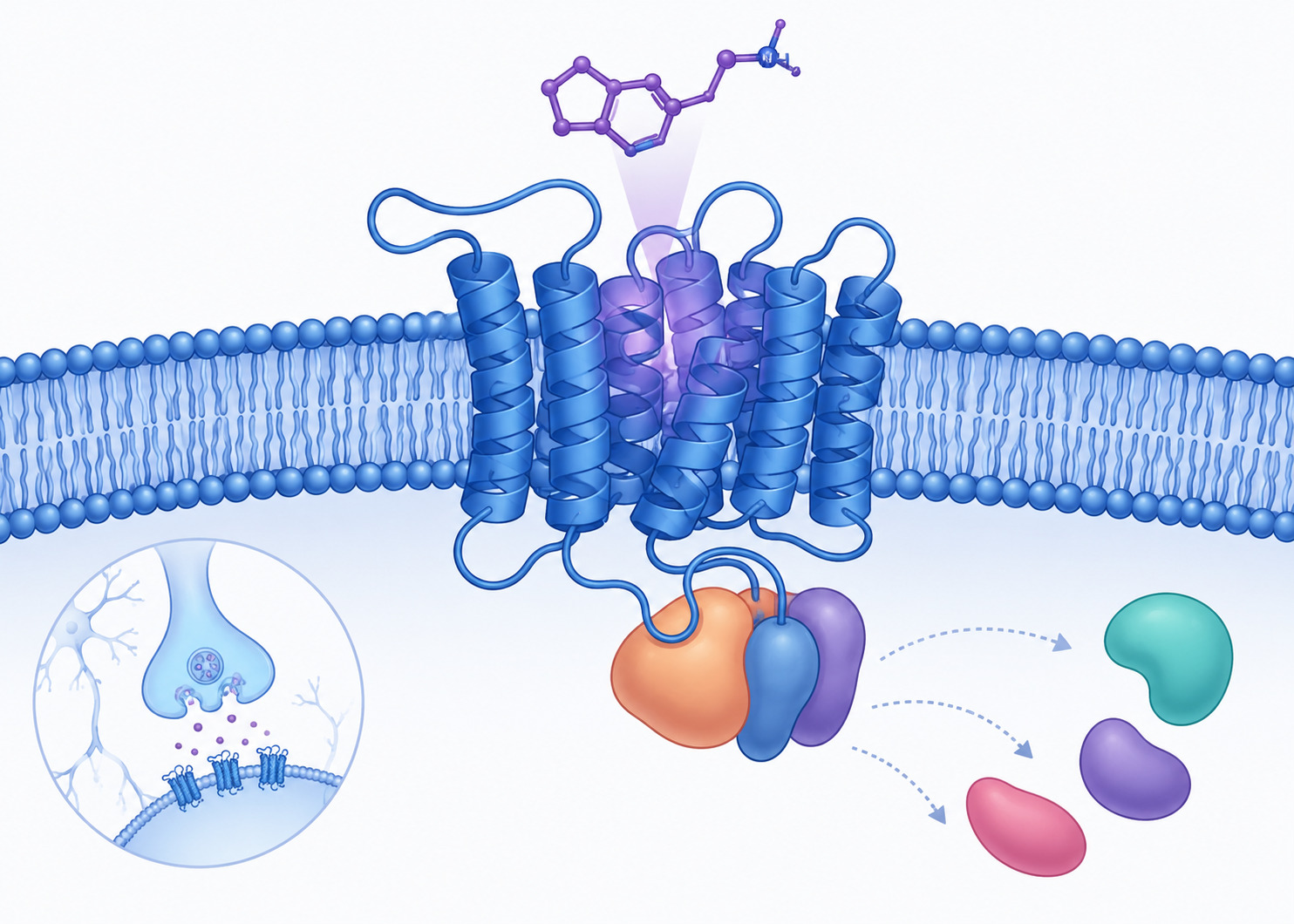
To understand the microbiome in its totality, it requires several steps: from sample handling to DNA isolation to bacterial classification and identifying the functional pathways that have been altered as a consequence. The production of neurotransmitter serotonin for example is not a straightforward reaction. The primary way the microbiome dictates serotonin production is by acting as a molecular switchboard for host enterochromaffin cells. This is accomplished by dietary fiber getting converted to butyrate by bacterial action which in-turn regulates the TPH-1 gene to convert tryptophan into serotonin.
Why Microbiome Research Generates a Data Storm
One of the most widely studied bacterial model systems Escherichia coli, has been studied over 50 years, yet we haven`t understood it completely. The gut which harbours more than 10^13 microbes is a heterogeneous culture of predominantly bacteria, followed by viruses and fungi. That only amplifies the complexity manifold. Notably, these microbes have intricate networking and cross talk. Hence the mere identification of these microorganisms is no longer relevant, it is the integration of microbial taxonomy, diversity, metabolites, proteins and most importantly their interaction among themselves and the host immune system.
From metagenomics to multi-omics: The explosion of biological data
A single metagenomic dataset can yield gigabytes of sequencing reads requiring taxonomic classification, functional annotation, and statistical interpretation. When integrated with metaproteomic, metabolomic, and metatranscriptomic data layers in a multi-omics framework, the analytical burden becomes computationally difficult. Traditional analytical methods struggle with these complex high-dimension microbiome datasets. The real challenge is not volume. It is structure. This is precisely the problem space where Artificial intelligence (AI) excels.
Enter Artificial Intelligence: Teaching Machines to Read Microbial Patterns
AI offers a paradigm to enable higher-resolution, scalable and more predictive insights into complex host–microbiome interactions. To address the challenge of standard bioinformatics pipeline in handling large-scale and heterogeneous microbiome data, AI-based approaches are increasingly adopted for data processing, representation and interpretation, offering more efficient and scalable solutions for translational & integrative analysis. It becomes important to merge multi-omics data prior to model training, typically by concatenating different features into a unified matrix.
Broadly, Machine Leaning, a subset of AI has been widely used and studied in the context of microbiome research for recognition, classification and pattern prediction. The classical ML methods which fall under supervised learning include linear regression models, support vector machines and random forest classification which have performed well on microbiome datasets. These methods have been consistently used in host dysbiosis prediction studies offering higher statistical power than conventional methods. On the other hand, unsupervised techniques involve methods to reduce dimensionality and simplify human data interpretation. Broadly in the clustering algorithms samples with similar microbial profiles are grouped, while regression techniques use these profiles to predict clinical outcomes.
Deep Learning is a class of ML which mimics how the human brain works (neural-network) by connecting nodes (neurons) in a network, which would progressively result in a multi-layered network (hence the name deep neural networks). This can enable automatic extraction of meaningful features with almost negligible manual input.
How AI identifies hidden microbial signatures
Today we have progressed to the Big Data era where study design, methodology and complex statistics can be carried out by various AI tools. However, in case of microbiome data, the critical role of AI is to convert this large-scale complex data into meaningful insights which would have translational or clinical application. Deep learning and Language Learning Models (LLMs) are useful in decoding molecular mechanisms, including functional annotation and molecule generation. At a community level, combining AI models with traditional mathematical models helps elucidate microbial community composition and function. At the species level, AI approaches provide understandings into species functionality and their impact on host health. Further, at the molecular level, AI models influence large-scale microbiome data for functional annotation, gene mining and revealing regulatory mechanisms.
Below are the various levels at which ML-models can be exploited to identify microbiome-based signatures along with some landmark studies:
Disease diagnosis: Classifying CRC, IBD, IBS, CVD, obesity and COVID-19 from a single stool sample (Su et al., Nat Comm 2022); CRC metaanalysis (Wirbel et al., Nat Medicine 2019); signatures across CAD, IBD and liver cirrhosis (Tierney et al., Nat Comm 2021)
Disease Prediction: Personalized glycaemic response study (Zeevi et al., Cell 2015); Cardiometabolomic disease (Fromentin et al., Nat Medicine 2022); multi-omics LASSO for incident Type-2 Diabetes (Carrasco-Zanini, et al., Diabetologia 2023); Early-onset colorectal cancer (Kong et al., Gut 2023)
Disease Prognosis: TOPOSCORE for immunotherapy survival prediction (Davar, Dzutsev et al., Science 2021); Andrews et al., Nature Medicine (2021); Immune Checkpoint Inhibitor toxicity in melanoma patients (Andrews et al., Nature Medicine 2021)
Disease Treatment: Biologic class selection in IBD patients (Lee et al., Cell Host & Microbe 2021); Microbiome–metabolome dynamics in obesity management programme (Wu H, Bäckhed F et al Nature Medicine, 2025)
Pattern recognition beyond human analytical capability
The multi-dimensionality of microbial science interpretation surpasses human analytical capability to capture subtle yet significant differential patterns. The power of AI is to uncover these multi-layered patterns by identifying co-abundance networks and uncovering longitudinal temporal and dynamic patterns. The clinical applications of microbiome findings can be productive only when combined with a detailed and comprehensive metadata file which would cover details from demographics, nationalities, co-morbidities, medications, allergies, dietary patters and various other blood markers and imaging and histopathologic features used for disease diagnosis. This mammoth task of combining metagenomics with relevant data to identify patterns for prediction can be achieved only by AI models.
Machine Learning Applications Transforming Microbiome Science
Disease Prediction and Early Diagnosis
Across gastrointestinal and systemic disease contexts, ML models are being deployed to detect pathological microbial states well before clinical symptom onset. Lifestyle diseases like obesity, Type-II Diabetes, Fatty liver and autoimmune diseases like Inflammatory Bowel Diseases are lifelong illnesses which are triggered by several factors. Idiopathic in nature, these diseases are strongly associated with microbial dysbiosis. AI models have also grown to become promising non-invasive screening tools for early cancer detection. ML-models have demonstrated with very high sensitivity and specificity to discriminate cohorts that have progressed to colorectal, pancreatic, and hepatocellular cancers from healthy controls.
Precision Medicine and Personalized Healthcare
Today the world relies on personalized healthcare. The days of “one size fits all” model is no longer applicable. The healthcare industry which basically encompass the clinicians and researchers have realized that each patient is different and precision medicine is the key. Hippocrates was the first to mention “All diseases begin in the gut”; and taking that forward the importance of diet and nutrition in shaping the microbes is extremely pivotal. The right kind of food is necessary to nurture the right kind of bacteria. The relationship between diet and microbiome is two-way and a vicious cycle which also gets intertwined with external host factors and other lifestyle as well as social habits. The resident microbiome which forms the core of an individual creates an environmental niche that allows bacteria to colonize and proliferate. Further multiple studies have also demonstrated how drug responses as well as chemotherapies can be influenced by the nature of gut microbes. The trajectory of disease progress is never the same for all patients, and this is heavily contributed by the microbes that play a role-in a new and upcoming field called as “pharmacomicrobiomics”. Therefore, personalization is key in designing diet and medication which is “microbiome-based”.
The Gut-Brain Axis and Neurological Health
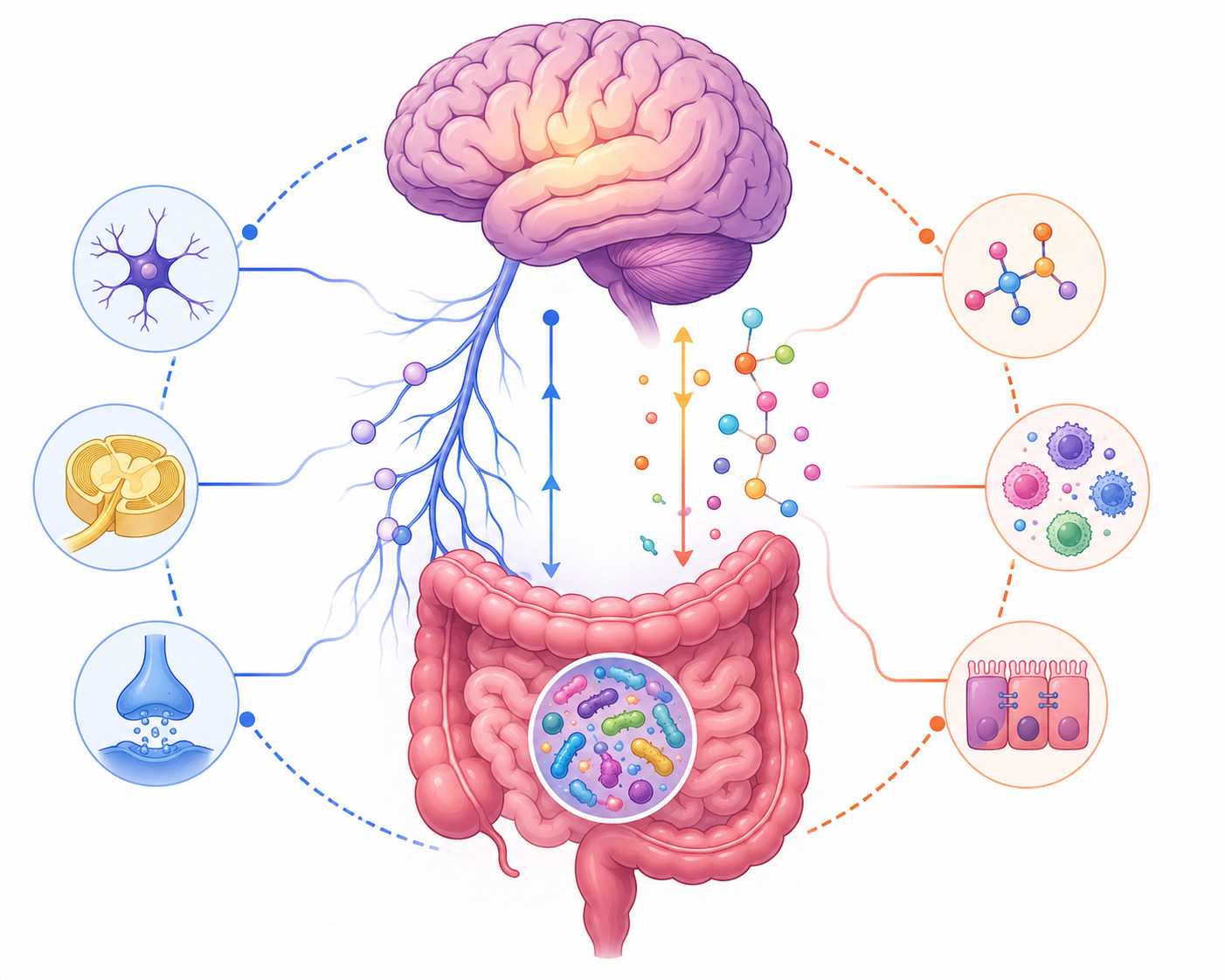
The gut microbiome has a strong connection with the central nervous system via the gut-brain-axis. Serotonin not only plays a role for neurological and psychological related activities, but has also been gaining a lot of interest for its role in gastrointestinal area too; which all the more is reason to believe why 90% of the Serotonin produced in the body stems from the gut. The mechanistic pathway which links gut microbiome dysbiosis to neurological and psychiatric conditions is being increasingly recognized which not only is restricted to neurotransmitter synthesis, but also via the compromised gut barrier integrity which is associated with Schizophrenia, Alzheimer’s, Parkinson`s and Autism Spectrum Disorder. Leading global researchers have associated how an intervention either with diet or probiotic bacteria or FMT can be used as effective methods to alleviate conventional medical therapy.
The gut-brain axis isn't just a theory, specific bacteria are already being used to influence mood and cognition.
Here's the clinical science behind psychobiotics and what it means for mental health.
→ Read: Psychobiotics And Mental Health | The Gut-Brain Link
Drug Discovery and Pharmaceutical Innovation
The microbiome represents an underexplored reservoir of bioactive compounds and enzymatic activities relevant to drug metabolism. Compared to traditional biomarker identification, AI-based algorithms integrate cutting edge sequencing technologies with natural language processing (NLP). A typical ML-algorithm comprises of two prominent phases: the training phase during which a robust model is constructed using labelled or known data, followed by the testing phase which uses this trained data to predict outcomes with unlabelled or unknown data. Performance metrics measured by AUROC (area under the receiver operating characteristic curve) for classification, F1-Score for precision and recall and mean-squared error for regression analysis can help evaluate accuracy of a biomarker discovery and in prediction of microbial dynamics. Explainable AI or XAI are the newer frameworks help decode “the black box” of AI to give more reliable and comprehensive understanding of which microbial taxa or functional pathways are driving disease risk.
Technologies Powering AI-Driven Microbiome Research
Today as we are in the logarithmic phase of big data generation, the suffix “omics” can be added to every possible analysis. The advent of NGS has led us to understand DNA, RNA and proteins at phenomenal depths and accuracy. Amplicon sequence technologies which include 16s-rRNA and internal transcribed spacer sequencing technologies remain widely used owing to their cost-effectiveness and scalability, while whole genome or shotgun metagenomics offers a more detailed and comprehensive view with higher resolution and functional capacity, albeit at a highest cost.
The shift from conventional microbiome research to predictive systems biology requires the integration of diverse biological datasets.This is exactly where AI can master handling these massive, complex, heterogeneous datasets which include metagenomics (names the bacterial taxa and provides relative abundance), transcriptomics (reveals which genes are actively being transcribed in the host), proteomics (to measure the functional proteins that are being synthesized) and metabolomics (to detect the presence and quantify the biochemical by-products that interact with the host). The idea is to go beyond single layer of data (in this case, only microbial DNA) and uncover latent biological patterns and harmonize the “exposome” to extract clinically and epidemiologically meaningful data.
Opportunities for Pharma and Biotech Industries
Microbiome therapeutics is an intervention aimed at offering novel treatment options that harness the human microbiome, opening up new avenues for market expansion. There is a growing need for efficient treatments due to the rising prevalence of gastrointestinal illnesses, metabolic disease, auto-immune diseases and psychological diseases. Ongoing research is also exploring the potential of microbiome therapeutics in cancer treatment. Extensive market research by leading firms have documented a market size of US$ 375.92 Million which is going to grow to 813.38 Million by 2030 with a Global CAGR of 10.1%.
Based on various segments, microbiome as medicine can be divided by Type (Therapeutics/Procedure), by application (disease-wise) or by end-user (Hospitals and Clinics/ Home care). Biotech industries are also aiming to create personalized probiotic consortia based gut microbiome reports which follow direct-to-consumer model. Much of these platforms often leverage ML models that are trained on thousands of individual microbiome-diet-metabolic outcome datasets to generate personalized nutritional guidance aimed at optimizing gut diversity and creating an anti-inflammatory environment to improve specific health outcomes.
AI maps the microbiome. Live biotherapeutics put it to clinical use.
Here's how LBPs are turning microbiome science into regulated, market-ready medicines.
→ Read: Live Biotherapeutic Products: Clinical Safety, Regulation & Market Potential
The Challenges AI Still Cannot Fully Solve
The healthcare has been one of the most benefitted industry with the rapid growth and technological advancement of computer hardware and software. This has facilitated the digitization of health data, opening up new avenues for the development of computational models and opportunities to utilize AI systems for deriving deeper insights from data. The advent of wearable devices which can quantify physical health, diet and lifestyle parameters along with medical devices that can quantify behavioural, social and external environmental aspects has opened avenues that the world was never exposed before. Integration of this wealth of information with bioinformatics and metagenomics especially with AI empowers researchers to uncover intricate patterns and networking within large datasets that were previously difficult to discern.
Despite the phenomenal progress and potential of AI, this field still faces obstacles that hinder seamless integration into real-world healthcare.
Lack of standardized datasets: Discrepancies in sample collection and storage, data recording, sequencing methodologies and pre-processing can introduce severe biases that can affect downstream accuracy and reliability of AI predictions. The solution to this is firstly to train the human before we train AI. This includes multi-centric collaborative effort across disciplines of standardizing protocols and educate the doctors, nurses, researchers, bioinformaticians, data scientists, statisticians, dietitians as well as healthcare providers so that they can be up-to-date on the latest technology.
Biological variability across populations: The challenge of cohort variability is common to any healthcare question. Microbiome is highly influenced by genetics, geography and environment. Hence large scale datasets that involve ML-integrated biomarkers in a defined population may not be applicable to the world and cannot be treated as breakthrough research unless AI can function on a multimodal integration.
Data bias and reproducibility concerns: The major challenge of integrating AI in microbiome research is the representation of “true samples” in the training dataset which will be used to create the model for prediction. Often the sample size is small and less diverse. To overcome this shortcoming, it is imperative to validate algorithms derived from retrospective and single-centre studies and promote cross-validation across multiple centres and in prospective studies
Regulatory and ethical concerns around biological data: As the world is grappling with privacy and data security, the microbiome data is also concerning with respect to ownership. Transparency, informed consent and regulatory environment for data storage and exchange are imperative. AI can in fact be a way to combat the concerns over privacy breaches of medical data. This can be pursued by generative AI models that can create synthetic patient data which is realistic and yet unrelated to real individuals.
The cost of AI: Although there are more advantages of AI than the challenges, it still remains to be an area that is less explored. The limitation being cost. Large-scale computational data storage, maintenance and analyses requires high technical infrastructure. “Digital equity” is an important consideration to surmount these financial obstacles to ensure that data integration is not confined only to the developed nations, which would be certainly create a very skewed result.
The “black box” problem in AI decision-making: The big question remains. The most robust model could generate the most accurate prediction, but the opacity of real world biological logic or mechanistic features hinders its progress and acceptability. Microbiome data is prone to the black box problem and AI models struggle to process it transparently. The main reasons being the high dimensionality of multi-omics datasets, non-linear ecosystems which involve microbial interaction via dynamic networks that linear chain, and lastly the risk of overfitting which can give spurious correlations rather than true biological signals.
Can AI Truly Decode the Gut?
One-word answer – No.
This is primarily because biological systems are inherently dynamic, non-liner and open; whereas AI relies on pattern recognition which often is a struggle in a real world scenario. However, researchers are trying to factor this uncertainty and heterogeneity by synthesizing multi-omics data, using Bayesian approaches to identify genuine links rather than random correlations. The concept of digital twins would probably be the game changer to simulate host-microbe interactions and predict response to various medical or dietary therapies.
The true future lies in symbiotic AI, a framework where neither human or AI works in isolation. The “human-in-the-loop” feedback allows complex AI models to refine their algorithms to bridge the gap between cold statistics and holistic health.
Conclusion
It is clear that the trajectory of AI in microbiome science points toward progressively integrated, systems-level approach. AI certainly does not replace the bench scientist as endorsement of computationally derived hypotheses remains crucial. The gut microbiome may be considered medicine's most complex puzzles; however, with AI as a co-investigator, and a commitment to globally representative science, its decoding is no longer a distant aspiration.
Reporting on the science, business and regulation shaping the pharmaceutical industry.


Discussion