7 Use-Cases Of Digital Transformation In The Pharmaceutical Industry
Seven high-impact use cases showing how digital transformation is reshaping pharma R&D, manufacturing, clinical trials, and patient care.

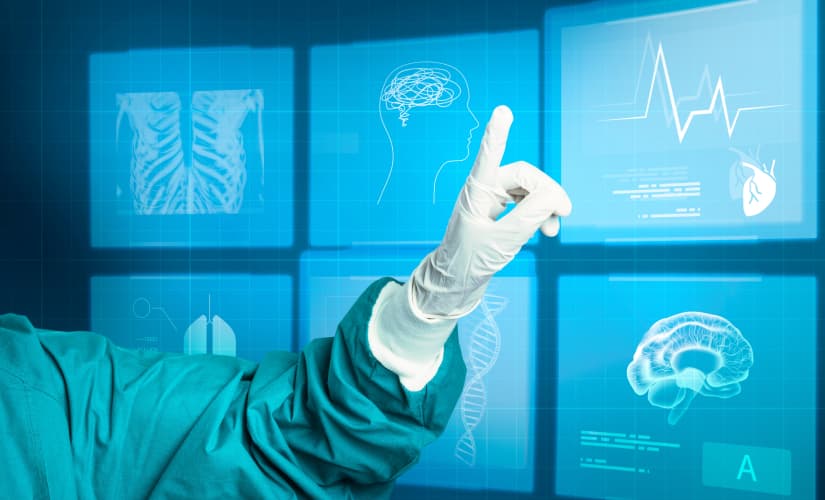
The pharmaceutical industry has always been driven by innovation, but in recent years, digital transformation has revolutionized the entire sector more rapidly than ever before.
As pharma companies face increasing pressure to accelerate drug discovery, enhance operational efficiency, improve patient outcomes, and comply with complex regulatory frameworks, digital tools have become essential rather than optional. Digital transformation in pharma is becoming essential to remain competitive.
From AI-driven drug discovery to connected manufacturing, digital transformation is reshaping how medicines are researched, produced, and delivered. This shift is not only modernizing traditional processes but also enabling new business models, deeper insights, and more personalized patient care. These changes are influencing every stage of the pharmaceutical value chain.
Here are the powerful use cases that highlight how digital transformation is creating meaningful impact across the pharmaceutical value chain!
1) AI-Powered Drug Discovery & Development
One of the most transformative changes in the pharmaceutical industry is the integration of artificial intelligence into drug discovery and development. Traditionally, identifying potential drug candidates required years of laboratory experiments and extensive trial and error.
Today, AI can analyze massive datasets including genomic sequences, protein structures, chemical libraries, and clinical data to predict which molecules are most likely to succeed. Machine learning models help researchers understand disease mechanisms, identify novel drug targets, and simulate how compounds will interact with the human body.
This shortens the discovery phase and significantly reduces costs. Furthermore, AI can help repurpose existing drugs by uncovering new therapeutic applications based on pattern recognition.
In clinical development, AI supports trial design, patient stratification, and biomarker discovery, improving trial efficiency and boosting success rates. As more quality data becomes available, AI-driven insights will continue to accelerate the path from lab to market. AI in drug discovery is improving speed, accuracy, and success rates.
2) Digital Clinical Trials & Remote Monitoring
Digital transformation has radically changed the way clinical trials are conducted. Traditional trials often face challenges such as limited patient recruitment, high dropout rates, rigid protocols, and geographic barriers.
Digital clinical trials or decentralized clinical trials, solve many of these problems using technologies like mobile apps, electronic consent (eConsent), telemedicine platforms, wearable sensors, and remote monitoring devices. These tools allow patients to participate from their homes, increasing convenience and diversity in trial populations.
Remote monitoring enables continuous, real-time data collection, giving researchers access to richer insights than periodic clinic visits provide. Additionally, electronic clinical outcome assessments (eCOAs) reduce paperwork errors and improve data accuracy.
Digital tools also enhance patient engagement, reminding participants to take medications, complete assessments, and follow schedules. As regulatory agencies increasingly support decentralized models, digital clinical trials are becoming a standard approach to streamline timelines and improve the overall patient experience.
3) Smart Manufacturing & Industry 4.0 Solutions
Pharmaceutical manufacturing is experiencing a major shift with the rise of Industry 4.0 technologies, including automation, IoT (Internet of Things), robotics, and digital twins. Smart manufacturing allows companies to predict equipment failures, minimize downtime, and maintain consistent product quality.
Sensors embedded in machinery continuously monitor temperature, pressure, humidity, and equipment performance. This data helps identify issues before they escalate, reducing the risk of batch failures.
Digital twins, virtual replicas of manufacturing systems allow engineers to simulate processes, optimize production lines, and test changes without interrupting actual operations. Robotics and automated systems improve precision, reduce manual errors, and enhance workplace safety.
Computerized systems also support real-time batch traceability, ensuring full compliance with Good Manufacturing Practices (GMP). Overall, smart manufacturing increases efficiency, lowers costs, and enhances product reliability, making it one of the most important areas of digital transformation in pharma. Industry 4.0 solutions are redefining pharmaceutical manufacturing operations

4) Advanced Supply Chain & Logistics Management
Efficient supply chain operations are critical in the pharmaceutical industry because medicines must reach the right patients at the right time often under strict temperature controls.
Digital transformation has enabled companies to build more resilient, transparent, and responsive supply chains using technologies like blockchain, IoT tracking, big data analytics, and predictive modeling. With real-time visibility, organizations can track the movement of raw materials, active pharmaceutical ingredients (APIs), and finished products across global networks.
IoT sensors monitor temperature and humidity during storage and transportation, ensuring sensitive products like vaccines maintain their integrity.
Predictive analytics help forecast demand, prevent shortages, and reduce wastage. Blockchain offers secure, tamper-proof records that help fight counterfeit medicines, which remain a major global challenge. By integrating digital tools, pharma companies can improve supply chain reliability, enhance regulatory compliance, and strengthen patient trust.
5) Personalized Medicine & Data-Driven Patient Care
Digital transformation is ushering in an era of personalized medicine, where treatments are tailored to the unique genetic, biological, and lifestyle characteristics of each patient.
Technologies such as genomics, AI analytics, patient registries, and wearable health data are enabling precision therapies that were not possible before. For example, genomic sequencing helps identify specific mutations or biomarkers that guide targeted treatments in oncology and rare diseases.
AI-powered decision-support tools assist physicians in selecting optimal therapies, predicting disease progression, and monitoring treatment response. Real-world evidence collected from electronic health records (EHRs), mobile apps, and connected devices allows companies to understand how drugs perform outside controlled clinical environments.
This leads to better patient outcomes, more efficient R&D strategies, and the development of highly specialized therapies. Personalized medicine not only improves effectiveness but also reduces adverse effects by avoiding a one-size-fits-all approach.

6) Digital Engagement In Sales & Medical Affairs
Pharmaceutical sales and medical affairs teams are moving beyond traditional in-person interactions toward hybrid and digital engagement models. Digital transformation enables companies to communicate with healthcare professionals (HCPs) through virtual meetings, personalized email campaigns, webinars, AI-powered chat support, and interactive content platforms. Data analytics helps understand physician preferences, allowing companies to deliver more relevant and timely information. Digital engagement is particularly important in today’s environment where physicians often have limited time for face-to-face meetings.
Omnichannel strategies ensure consistent messaging across digital and physical touchpoints, enhancing relationship building and education. For medical affairs teams, digital platforms support scientific exchange, virtual advisory boards, online medical information portals, and real-time content updates. By leveraging digital tools, companies can improve HCP engagement, expand reach, and provide more meaningful support in a compliant and efficient manner.
7) Enhanced Pharmacovigilance & Drug Safety Monitoring
Monitoring drug safety is a long-term responsibility for every pharmaceutical company, and digital transformation is significantly improving pharmacovigilance processes. Traditional adverse event reporting can be slow, manual, and error-prone. Today, AI and natural language processing (NLP) tools analyze large volumes of data from clinical trials, electronic health records, scientific publications, and even social media to identify potential safety signals faster.
Automated systems categorize incidents, detect patterns, and prioritize cases that require urgent attention. Machine learning models help predict adverse drug reactions and identify high-risk patient groups before issues escalate. Digital tools also ensure accurate documentation and seamless regulatory reporting. With real-time surveillance and automated workflows, pharmacovigilance teams can respond more quickly, enhance patient safety, and comply with global regulations more efficiently. AI-enabled pharmacovigilance improves early safety signal detection.
In Conclusion
Digital transformation is reshaping the pharmaceutical industry in ways that go far beyond automation. It is enabling faster discovery, smarter manufacturing, more efficient clinical trials, personalized treatments, and enhanced patient safety. These technological advancements are helping companies operate with greater precision, transparency, and agility in an increasingly complex healthcare environment.
As digital tools continue to evolve, pharma organizations that fully embrace digital transformation will be better equipped to innovate, reduce costs, improve patient outcomes, and stay competitive in a rapidly changing world. The future of pharma is undeniably digital and these seven use cases demonstrate just how powerful that transformation can be.
FAQs
FAQ 1: What Are The Key Use-Cases Of Digital Transformation In The Pharmaceutical Industry?
Digital transformation in pharma is creating impact across multiple areas, including AI-powered drug discovery, digital clinical trials, smart manufacturing, advanced supply chain management, personalized medicine, digital engagement in sales and medical affairs, and enhanced pharmacovigilance. These use cases improve efficiency, accelerate R&D, reduce costs, enhance patient outcomes, and strengthen compliance, enabling companies to operate more effectively in a rapidly evolving healthcare landscape.
FAQ 2: How Does AI-Powered Drug Discovery Improve Efficiency And Success Rates?
AI-powered drug discovery analyzes vast datasets including genomic sequences, chemical libraries, and clinical data to predict promising drug candidates, simulate molecular interactions, and identify novel targets. It helps repurpose existing drugs, design safer compounds, optimize clinical trial design, and stratify patients for better outcomes. By reducing trial-and-error experiments and shortening timelines, AI increases the predictability and success rates of drug development.
FAQ 3: How Are Digital Tools Transforming Clinical Trials And Patient Care?
Digital tools such as remote monitoring devices, wearable sensors, mobile apps, and telemedicine platforms enable decentralized clinical trials, allowing patients to participate from home and improving trial diversity and engagement. Data analytics and AI support personalized medicine by helping physicians select targeted therapies, monitor treatment responses, and predict outcomes. Together, these tools enhance patient care, accelerate timelines, and reduce errors in clinical research and healthcare delivery.
Reporting on the science, business and regulation shaping the pharmaceutical industry.


Discussion