by Mrudula Kulkarni
8 minutes
The Invisible Ecosystem: How Microbial Communities Inside Hospitals Shape Infection Risk
Hospitals aren't sterile, they're ecosystems. Microbial balance, not single pathogens, drives infection risk. See the 99% AMR-reduction trial data.
Picture a newly built hospital wing on its opening day. The walls are freshly painted, the floors gleam, and every surface has been scrubbed sterile. Within days, an invisible population moves in alongside the first patients.
Researchers at the University of Chicago watched this happen in real time. As ecologist Jack Gilbert put it, "there's a fundamental knowledge gap about where hospital-associated infections come from." His team spent a full year sampling microbial DNA from patient rooms and nursing stations, along with swabs from hundreds of patients and staff, to map exactly how this happens.
This is the core insight driving a new field of infection control. Hospitals are not sterile boxes. They are living microbial ecosystems, and the balance of that ecosystem, not just the presence of a single pathogen, determines who gets sick.
For pharma and hospital leaders, this reframes the entire infection prevention conversation. The question is no longer just "how do we kill germs?" It is "how do we manage an ecological system to keep it tilted away from disease?"
Why the Built Environment Matters More Than We Assumed
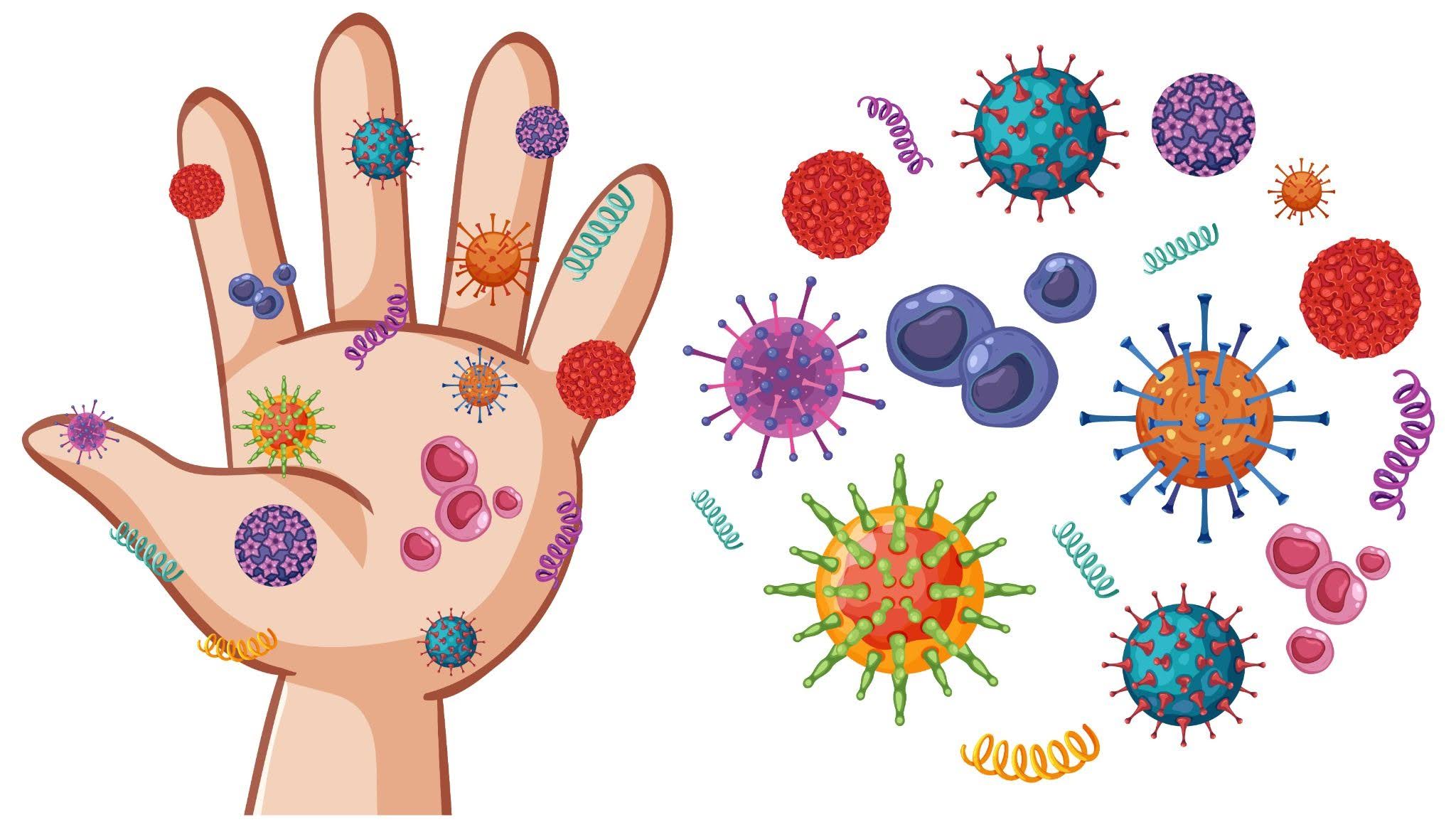
The built environment microbiome comprises all bacterial, fungal, archaeal, and viral communities living on surfaces, in water systems, and in the air of a facility. Most of it is harmless. Antibiotic-resistant pathogens can still colonize and emerge indoors, creating infection risk through surface transmission or inhalation.
This is not a fringe concern. The World Health Organization has treated the hospital built environment as a formal pillar of infection control since 2016, after the built environment was reported as a source of outbreaks and sporadic transmission events involving carbapenemase-producing gram-negative bacteria moving from the environment to patients.
Different zones inside the same building carry very different microbial signatures. Bacterial diversity varies across hospital areas, with halls, living rooms, patient rooms, and restrooms showing more diverse bacterial compositions than intensive care units. That is counterintuitive at first glance. ICUs are cleaner, yet they are not always safer.
The explanation lies in selection pressure. Stricter sanitation protocols in the ICU can act selectively, favoring microorganisms able to survive harsh environmental conditions, and constant cleaning and disinfection routines keep selecting for organisms resistant to physical, chemical, and antimicrobial stress [3]. In other words, aggressive disinfection alone can breed tougher survivors.
Quick Reference: Where Hospital Microbes Hide
Reservoir | Why It Matters |
|---|---|
High-touch surfaces (bed rails, keyboards) | A pivotal factor in the dissemination of several pathogens across hospital furnishings and devices |
Sink drains and plumbing | Can act as a reservoir of resistance genes and opportunistic pathogens that lead to hospital-acquired infections |
HVAC and air systems | A major contributor to indoor microbiomes, with design tweaks potentially able to reduce pathogen load |
Patient skin and gut flora | Bacteria and resistance genes from a patient can disseminate into the room within days of admission |
The Scale of the Problem, in Numbers
For any leader building a business case for microbiome-informed infection control, the epidemiological backdrop is stark.
- On average, around 1 in 10 patients worldwide is affected by healthcare-associated infections, with the frequency far higher in low- and middle-income countries and among high-risk ICU patients.
- An estimated 136 million cases of healthcare-associated antibiotic-resistant infections occur globally every year.
- Nearly one in four hospital-treated sepsis cases is healthcare-associated, rising to almost half of all such cases in low- and middle-income countries.
- Hospital-onset Clostridioides difficile infection alone runs at over 5 cases per 1,000 admissions, with long-term care facilities reporting more than 44 cases per 10,000 patient-days.
These are not abstract statistics. Each point represents a preventable event tied, at least in part, to the microbial ecology of the rooms, drains, and air patients occupy.
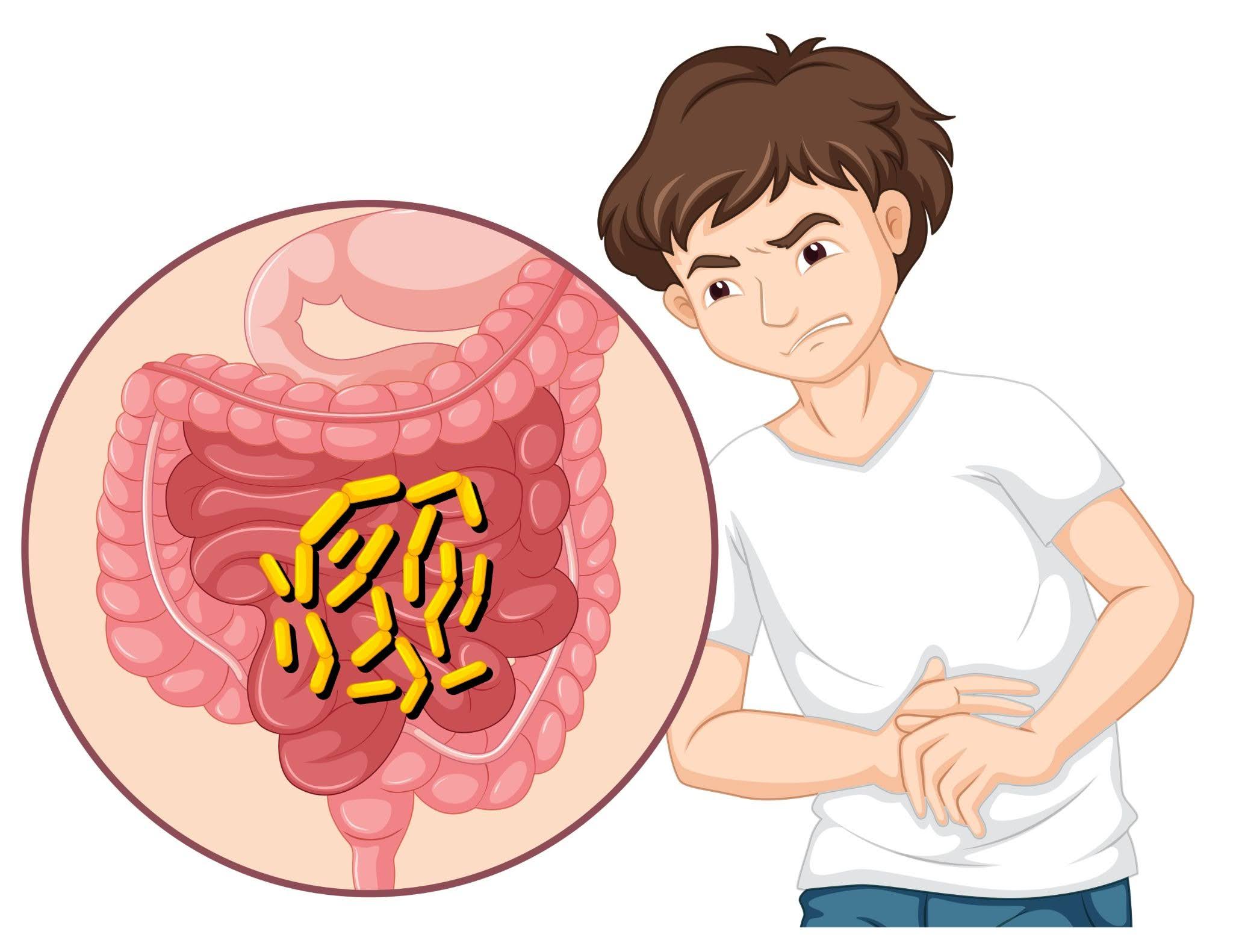
136 million AMR infections a year need more than prevention. Meet the first-in-class antibiotic taking on Gram-negative superbugs.
→ Read: Zosurabalpin and the Future of Antibiotics Against Superbugs
From Surveillance to Intervention: What the Science Now Allows
Older infection control leaned almost entirely on culturing single organisms. That approach missed the surrounding community shaping whether a pathogen thrives or dies out.
High-throughput DNA sequencing changed this. Sequencing methods applied to indoor environments have revealed unprecedented microbial diversity, giving researchers a fuller picture of the entire microbiome context rather than isolated samples. Hospitals can now generate literal contamination maps, plotting bacterial density across a facility's blueprint to monitor cleaning efficacy and identify hotspots over time.
The most striking development, though, is biocontrol: deliberately introducing benign microbes to outcompete dangerous ones, rather than trying to eliminate all microbial life.
A field trial using a Probiotic Cleaning Hygiene System, composed of Bacillus and Priestia megaterium spores, produced results that should catch every hospital administrator's attention:
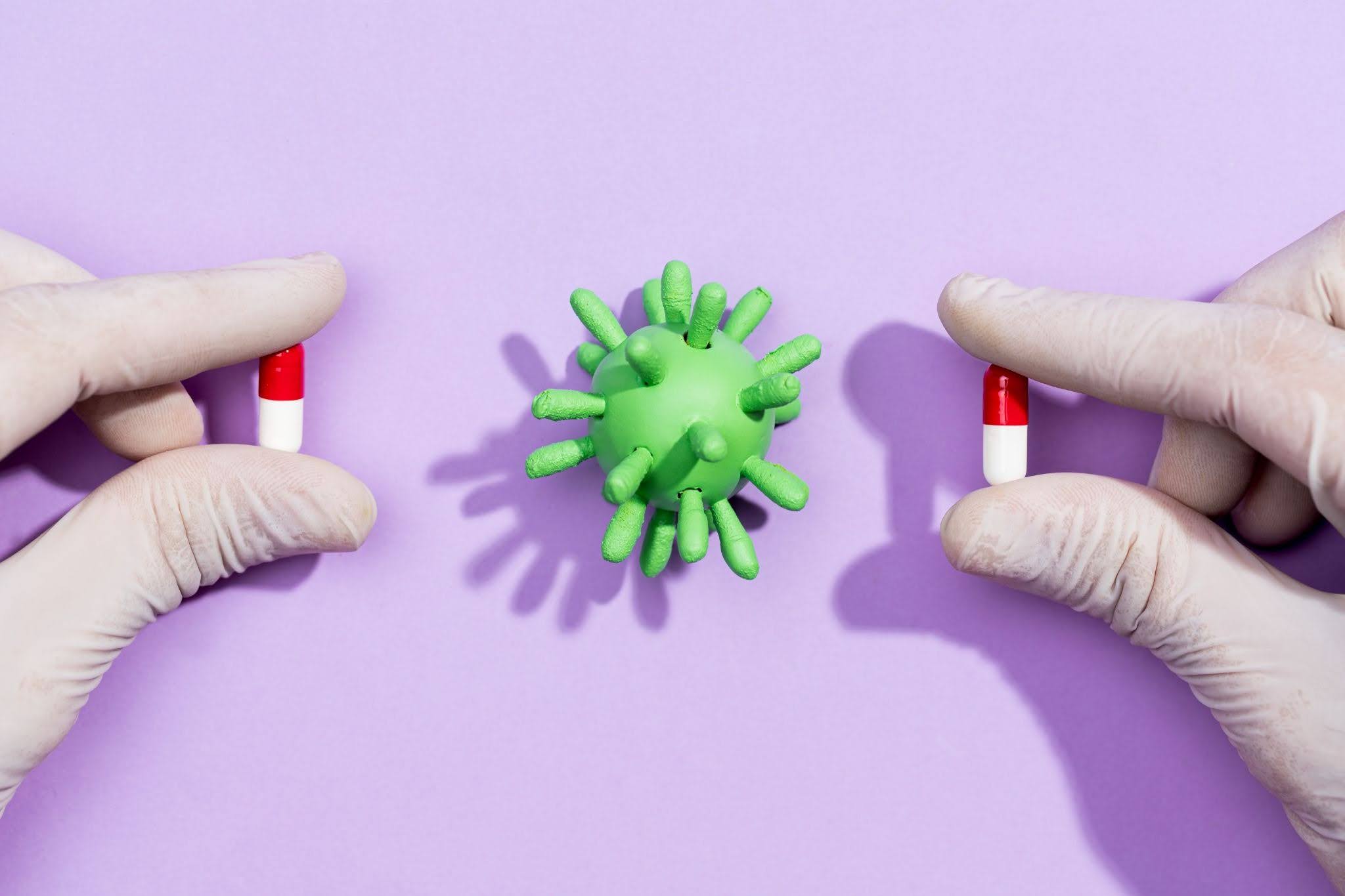
The probiotic system was associated with up to a 99% reduction in antimicrobial resistance genes in the hospital microbiome, a 33% to 100% decrease in resistant strains, and a 60% decrease in antimicrobial drug consumption by patients, leading to a 75% reduction in costs tied to treating resistant infections.
Most notably for clinical outcomes: the cumulative incidence of healthcare-associated infections dropped significantly after the probiotic intervention, from 4.8% down to 2.3%.
Community-level sequencing and biocontrol are just the start. See where synthetic biology and engineered microbes are taking pharma and life sciences next.
→ Read: Future of Microbiology in Pharma and Life Sciences
Table: Conventional Cleaning vs. Microbiome-Informed Biocontrol
Metric | Conventional Disinfection | Probiotic Biocontrol (PCHS) |
|---|---|---|
AMR gene presence | Baseline | Up to 99% reduction |
Resistant strain prevalence | Baseline | 33% to 100% decrease |
Antimicrobial drug use | Baseline | 60% decrease |
HAI incidence | 4.8% | 2.3% |
Treatment cost for AMR infections | Baseline | 75% reduction |
This is still early-stage science. The field is in its infancy, and researchers note an urgent need to better understand built environment microbial ecology and how biocontrol solutions alter species interactions before wider rollout.
Design as Infection Control: The Architects Enter the Room
Perhaps the most important shift for leadership is recognizing that infection prevention can no longer sit solely with clinical teams. Proper infection control now calls for a multidisciplinary team including hospital doctors, infection control nurses, microbiologists, architects, and engineers with expertise in building design and facilities management.
That is not a rhetorical flourish. HVAC systems are recognized as a major contributor to indoor microbiomes, and researchers believe design tweaks to ventilation could meaningfully reduce pathogen load indoors.
The Hospital Microbiome Project put this into practice from the ground up. Scientists collected DNA data while a new Center for Care and Discovery was still under construction, then tracked how the building's microbial community evolved once patients arrived, with the goal of eventually redesigning rooms to reduce exposure to dangerous pathogens while increasing exposure to protective ones.
The Sink Drain Problem
One of the more underappreciated reservoirs sits in plain sight: the drain beneath every hospital sink.
The presence of immunocompromised patients heightens the risks posed by the hospital built environment microbiome, which can act as a source of resistance genes and opportunistic pathogens leading to hospital-acquired infections. Sink drains, in particular, have emerged as a documented mixing ground for resistant organisms.
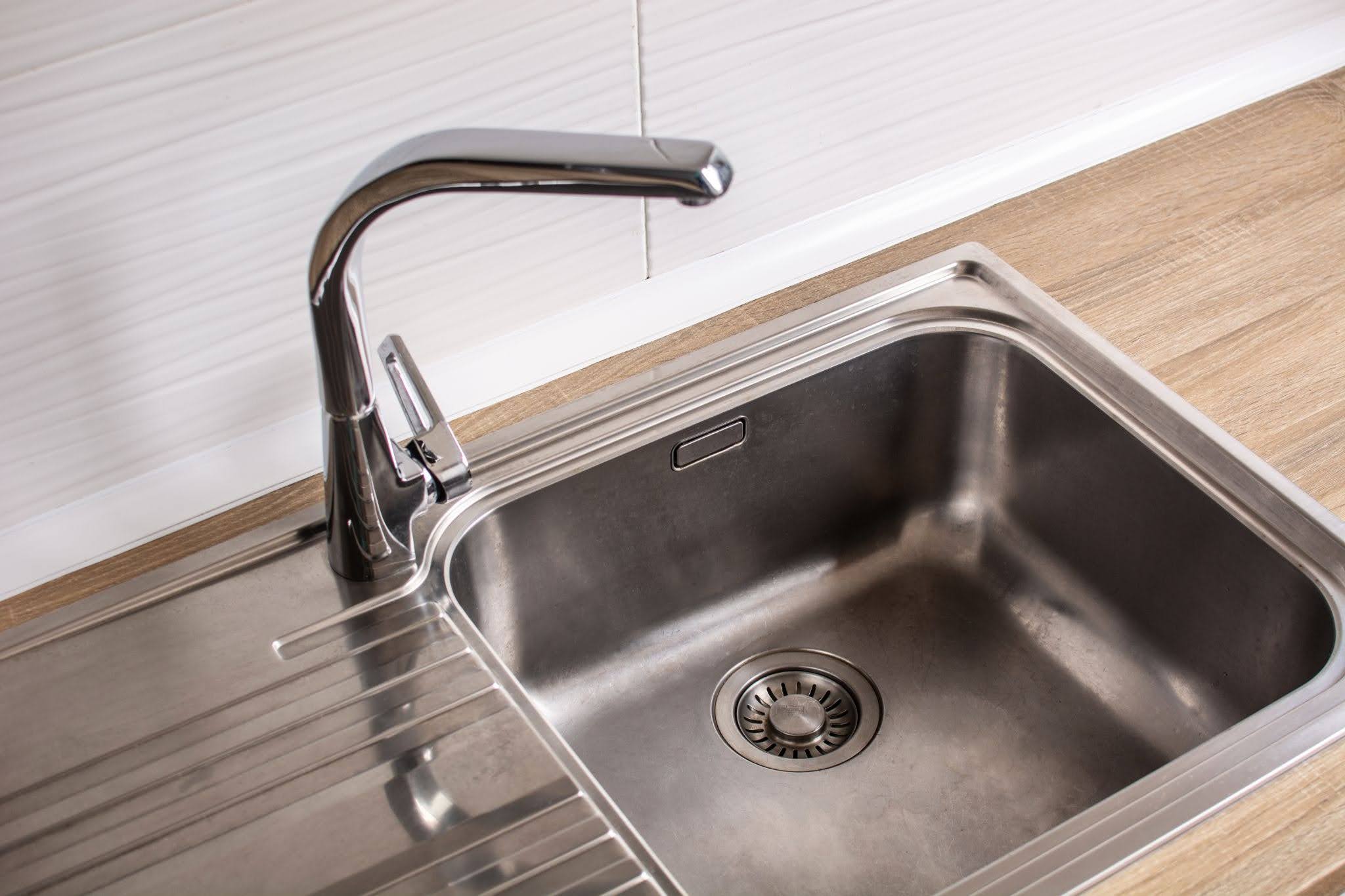
Bacteria and resistance genes originating from a patient can disseminate into the hospital environment within days of occupying a room, and patients can likewise become colonized by microbes originating from that environment. It is a two-way exchange, not a one-directional contamination event.
This finding has direct implications for pharma companies developing disinfectants, antimicrobial coatings, or surveillance diagnostics. A product that only targets airborne or surface pathogens leaves an entire transmission route, plumbing, unaddressed.
The "New Hygiene" Debate
Not everyone agrees that more disinfection is always better. Some researchers have raised a "new hygiene" hypothesis, suggesting that reduced exposure to certain environmental microbes may carry its own downsides.
This does not mean hospitals should clean less. It means the goal is shifting from maximum sterility toward microbial balance, a concept increasingly discussed alongside sustainability frameworks. Aligning infection prevention with building design supports Sustainable Development Goal 3 on health and wellbeing, alongside Goal 11 on sustainable cities and communities.
Public acceptance of this shift is still forming. A recent nationally representative U.S. survey found genuine appetite for the idea, but also caution. Researchers describe microbiome engineering as a rapidly growing field using biotechnology, genetics, and microbial ecology principles to restructure microbial communities for infection control, and note that public perception is critical to responsible implementation as developers, policymakers, and hospital leaders align this technology with societal values.
What This Means for Pharma Pipelines
For pharmaceutical and biotech leaders, three strategic implications stand out.
First, diagnostics are shifting toward community-level sequencing rather than single-organism culture, opening a market for continuous environmental surveillance tools. Large-scale monitoring of indoor areas over time can evaluate cleaning processes and hygienization efficiency, and even track hand hygiene compliance among healthcare workers via direct DNA sequencing of swabs.
Second, biocontrol products, live Bacillus-based cleaning systems, represent a genuinely new drug-adjacent category, sitting between disinfectants and probiotics, with regulatory pathways still being defined.
Third, antimicrobial stewardship programs and environmental microbiome data are converging. The 60% drop in antimicrobial consumption tied to the probiotic cleaning trial is a signal that environmental interventions can directly reduce demand for last-line antibiotics, a metric pharma market access teams should be tracking closely.
Frequently Asked Questions
Is the hospital microbiome the same as the human microbiome?
No. The human microbiome refers to microbes living in and on the body. The hospital or built environment microbiome refers to microbial communities on surfaces, water systems, and air within the facility itself, though the two constantly exchange organisms.
Can hospitals ever be truly sterile?
No. Even in built environments, microbial communities including bacteria, fungi, and viruses are always present; the realistic goal is managing which organisms dominate, not eliminating microbial life entirely.
Do stricter cleaning protocols always reduce infection risk?
Not automatically. Constant cleaning and disinfection can select for organisms with greater resistance to physical, chemical, and antimicrobial stress, which is why ICUs, despite stricter sanitation, are heavily studied for resistant infections.
What is probiotic cleaning in a hospital setting?
It involves applying formulations containing benign spore-forming bacteria, such as Bacillus subtilis, to surfaces so they outcompete harmful organisms, rather than relying solely on chemical disinfectants.
Which hospital areas carry the highest infection risk from the microbiome?
ICUs and operating rooms are the most studied and monitored, given high rates of ICU-acquired infections tied to multidrug-resistant pathogens, though sink drains and high-touch surfaces across all wards are also significant reservoirs.